
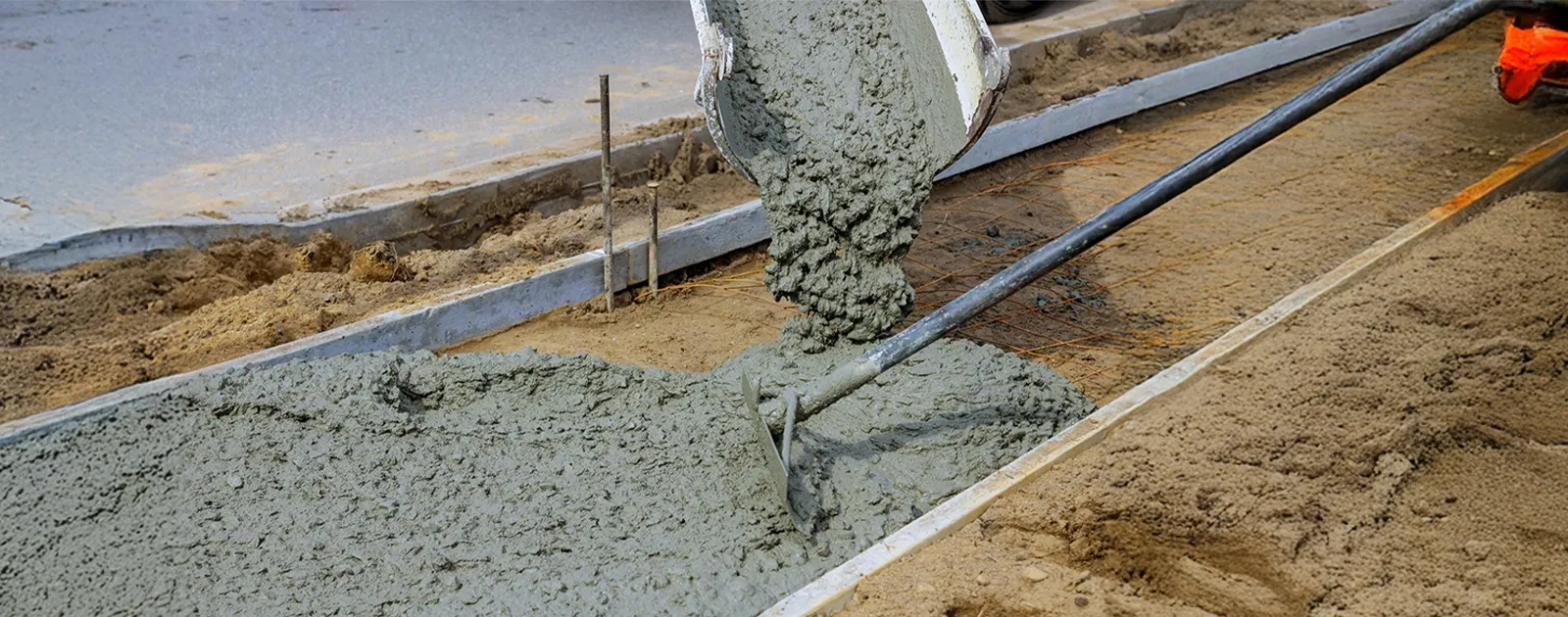
When we talk about strong construction, we usually focus on cement quality, mix ratio, or curing. But one very important factor that many people ignore is the setting time of cement.
If you are a contractor, engineer, dealer, or even a homeowner building your house, understanding the difference between initial setting time and final setting time of cement can help you avoid cracks, weak bonding, and long-term structural problems.
Let’s understand it in a simple and practical way.

What is Setting Time of Cement?
When water is added to cement, a chemical reaction called hydration starts. The cement paste slowly changes from a soft, workable state to a hard mass.
This transformation happens in two stages:
- Initial Setting Time – When cement starts losing its plasticity.
- Final Setting Time – When cement becomes completely hard.
Both are important for good construction.

What is Initial Setting Time?
The initial setting time is the time between adding water to cement and the moment when the paste starts becoming stiff.
Why is it important?
This is the working time available for:
- Mixing
- Transporting
- Placing concrete
- Compacting and finishing
As per standards, the initial setting time should not be less than 30 minutes.
If cement sets too quickly:
- Workers won’t get enough time to place concrete properly.
- Compaction may not be done correctly.
- Cracks can develop later.
So, proper initial setting time ensures smooth construction work.

What is Final Setting Time?
The final setting time is the stage when cement completely loses its plasticity and becomes hard.
As per standards, it should not exceed 600 minutes (10 hours).
After this stage:
- The concrete becomes firm.
- Surface finishing should already be completed.
- Strength development begins properly.
Final setting time tells us when the cement has hardened enough to resist pressure.

Difference Between Initial and Final Setting Time
| Point | Initial Setting Time | Final Setting Time |
| Meaning | Cement starts to stiffen | Cement becomes hard |
| Time Limit | Minimum 30 minutes | Maximum 10 hours |
| Purpose | Allows workability | Indicates hardening stage |
| Importance | For mixing & placing | For structural stability |

What Affects Cement Setting Time?
Several factors can change how fast or slow cement sets:
1️ Temperature
Hot weather makes cement set faster.
Cold weather slows down the setting process.
2️ Water-Cement Ratio
Too much water can delay setting but reduce strength.
3️ Type of Cement
- OPC generally sets faster.
- PPC may have slightly longer setting time but better long-term durability.
4️ Weather & Humidity
In rainy or humid regions, hydration behavior may vary slightly.
5️ Admixtures
Certain chemicals are added to speed up or slow down setting when required.

Why Setting Time Matters for Long-Term Strength
If cement sets too early or too late:
- Bonding becomes weak
- Surface cracks may appear
- Structural strength reduces
- Durability gets affected
Correct setting time ensures:
✔ Proper compaction
✔ Strong bonding
✔ Crack resistance
✔ Better durability

Frequently Asked Questions (FAQs)
1. What is the minimum initial setting time of cement?
The minimum initial setting time should be 30 minutes.
2. What is the maximum final setting time?
It should not exceed 600 minutes (10 hours).
3. Why is initial setting time important in construction?
It gives workers enough time to mix, transport, place, and finish concrete properly.
4. Does weather affect cement setting time?
Yes. High temperatures speed up setting, while low temperatures slow it down.
5. Which cement sets faster, OPC or PPC?
OPC usually sets faster than PPC.
6. What happens if cement sets too fast?
It can lead to improper compaction, cracks, and reduced strength.