
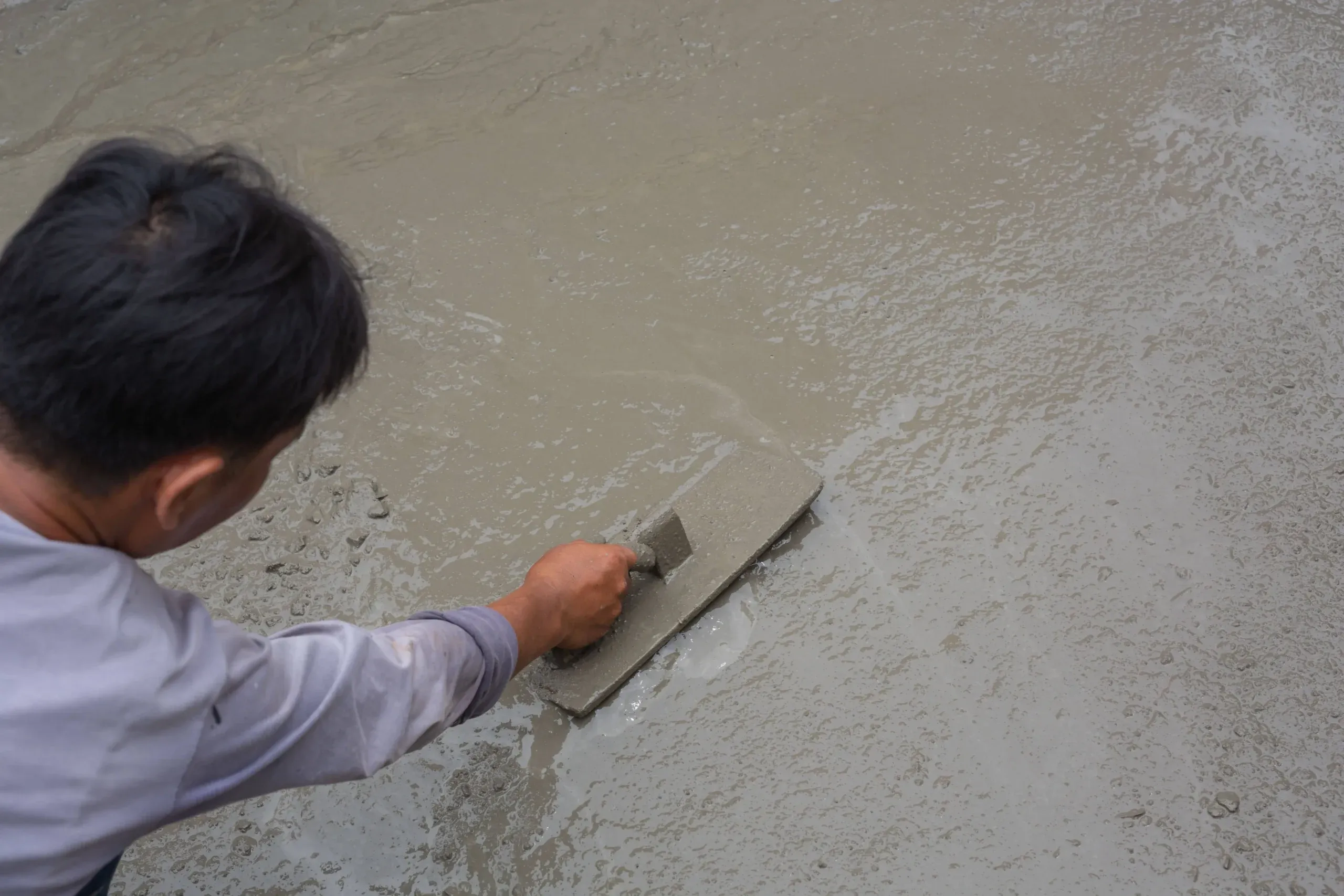
When engineers select cement for construction, they do not look only at the brand name or price. They focus on the strength, durability, and long life of the structure, and one of the most important factors behind strong cement is the formation of CSH Gel (Calcium Silicate Hydrate Gel).
This gel is the main reason why concrete becomes hard and strong after mixing cement with water. The more strong and dense the CSH Gel formation is, the stronger the bonding inside the concrete will be. That is why engineers always prefer cement with strong CSH Gel formation, especially for foundation, pillars, roof casting, and RCC work.
In modern construction, good cement technology is designed to produce better CSH Gel so that buildings can last longer and remain safe in all weather conditions.
What is CSH Gel in Cement?
CSH Gel stands for Calcium Silicate Hydrate Gel, which is formed when cement reacts with water during the hydration process.
This gel fills the small gaps inside the concrete and binds sand and aggregate tightly together, making the structure strong and compact.
Because of CSH Gel:
- Concrete becomes hard
- Bonding becomes stronger
- Cracks reduce
- Water resistance increases
- Life of the structure becomes longer
Without proper CSH Gel formation, cement cannot give full strength.
Why Engineers Prefer Cement with Strong CSH Gel
1. Higher Strength in RCC Work
Engineers need high strength for pillars, beams, and slabs. Strong CSH Gel gives better load-bearing capacity, which makes construction safer.
2. Better Durability
Cement with good CSH formation makes concrete dense, which helps the structure last for many years without damage.
3. Less Cracks in Walls and Roof
Weak bonding can cause cracks after some time. Strong CSH Gel reduces shrinkage and cracking.
4. More Resistance to Moisture
In areas with rain and humidity, weak cement can absorb water. Dense CSH Gel structure helps protect concrete from water damage.
5. Strong Foundation Performance
Foundation stays in contact with soil and moisture, so engineers prefer cement that forms strong CSH Gel for better stability.
6. Suitable for All Weather Construction
Whether it is heat, rain, or cold, cement with strong CSH Gel performs better in all conditions.
How Good Cement Forms Strong CSH Gel
Strong CSH Gel is formed when cement is made with:
- Good quality raw material
- Proper clinker composition
- Controlled manufacturing process
- Modern grinding technology
- Balanced chemical properties
High-quality cement brands focus on advanced technology so that more CSH Gel forms during hydration.
Where Strong CSH Gel Cement is Most Important
Engineers prefer such cement for:
- Foundation work
- Pillars and columns
- Roof casting
- RCC construction
- Flood-prone areas
- High-rise buildings
- Heavy load structures
In these places, strong bonding is very important.
Conclusion
CSH Gel is the main reason why cement becomes strong after mixing with water. The more dense and strong the CSH Gel formation is, the better the bonding, durability, and life of the structure will be. That is why engineers always prefer cement with strong CSH Gel, especially for important parts of construction like foundation, pillars, and RCC work. Using cement with advanced technology and good CSH formation helps in building safe, crack-free, and long-lasting structures in all weather conditions.
FAQs – CSH Gel in Cement
Q1. What is CSH Gel in cement?
CSH Gel (Calcium Silicate Hydrate) is the compound that gives strength to concrete after cement reacts with water.
Q2. Why do engineers talk about CSH Gel?
Because it is the main factor responsible for cement strength and durability.
Q3. Does more CSH Gel mean stronger cement?
Yes, more CSH Gel formation means better bonding and stronger concrete.
Q4. Is CSH Gel important for RCC work?
Yes, RCC needs high strength, so strong CSH formation is very important.
Q5. Can weak cement form less CSH Gel?
Yes, low-quality cement may form less CSH Gel, which reduces strength.
Q6. Does CSH Gel help in crack resistance?
Yes, strong bonding reduces cracks in walls and roof.
Q7. Is CSH Gel important in rainy areas?
Yes, dense CSH Gel helps protect concrete from moisture damage.
Q8. Why should we choose cement with modern technology?
Modern cement technology improves CSH Gel formation, which gives long life and strong construction.