In Indian construction, the slab isn’t just a structural layer — it’s the backbone of your home or building. Yet when people think about slab casting, many focus only on the surface — the labour, the steel, the timeline. The real decisions that impact durability, speed, and cost start much earlier, at the intersection of construction method and cement selection.
Whether you’re an individual home builder in Assam or a contractor managing mid-rise housing in Meghalaya, understanding slab casting vs. pre-cast construction can help you save money, avoid downtime, and future-proof your structure. And yes — the cement you choose (not just the brand, but the type) plays a central role.
What Really Matters in Slab Work?
Slab casting is not a standalone task. It’s part of a sequence.
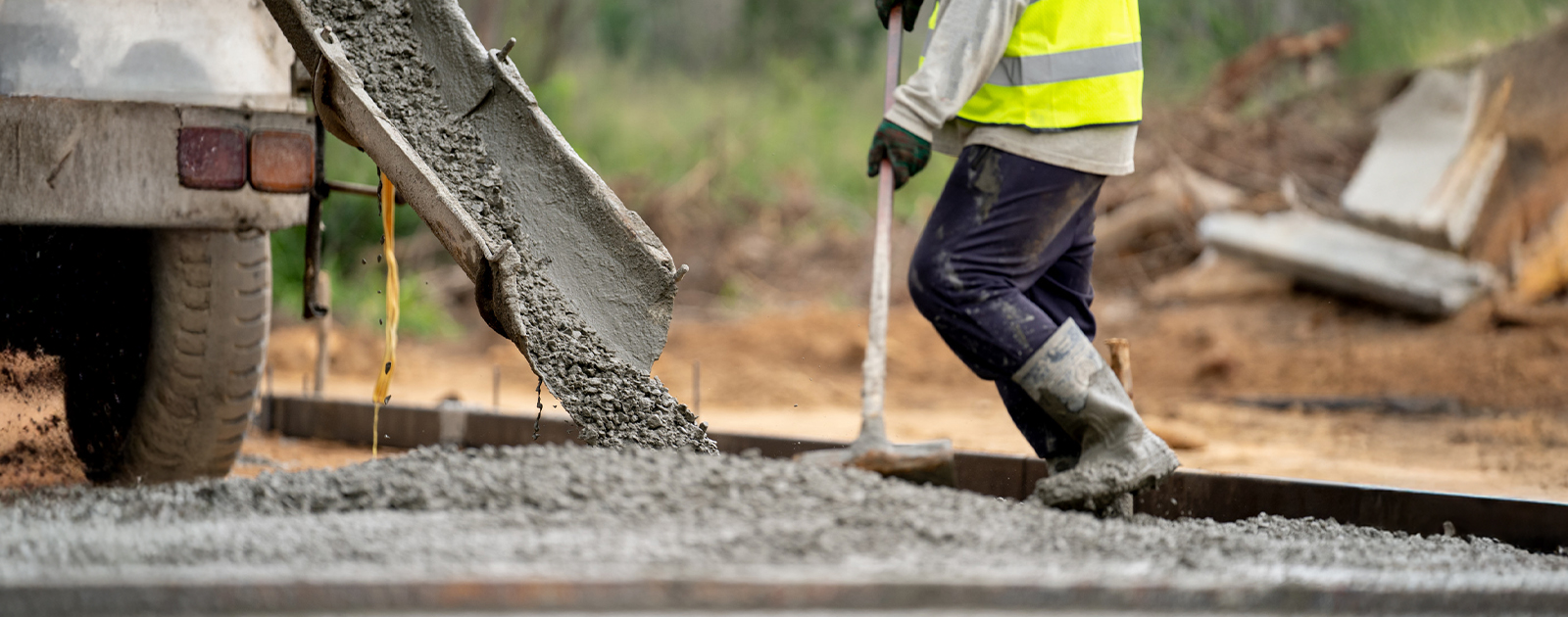
If you’re doing in-situ slab casting (pouring on-site), you need to account for formwork design, compaction, curing timelines, and weather delays.
If you’re considering pre-cast, you need to factor in transport, crane installation, jointing precision, and pre-slab groundwork.
So, how do you decide?
Start With These Four Filters:
- Urgency – How quickly does the structure need to be completed?
- Skill Access – Do you have masons and formwork experts on-site?
- Location Risk – Will monsoons or terrain affect construction speed?
- Budget Allocation – Are you optimizing for upfront cost or lifecycle durability?
If your answers lean toward time sensitivity and skilled labour gaps, pre-cast may be smarter. If you’re budget-sensitive but can manage time and labour, slab casting offers flexibility.
Cement: Not Just a Brand Game — It’s a Performance Decision
Now, let’s talk cement. You may already know big names — UltraTech, ACC, Ambuja, Shree Cement. They all produce ISI-certified grades suitable for slab work. But here’s the insight: the grade and formulation matter more than just the brand.
Slab work needs the right balance of strength gain, finish quality, and workability.
Three Cement Types Often Used in Slab Projects:
- OPC 53 Grade: High early strength. Ideal if slab shuttering needs to be removed quickly, or you’re on a tight construction schedule.
- OPC 43 Grade: Moderate strength gain. Slightly more budget-friendly. Best for general slab work where deadlines are not aggressive.
- PPC: Slightly slower to set, but excellent for long-term durability, water resistance, and crack control. Great for humid zones and when finish matters.
AmritCem’s PPC, for example, uses CSH gel technology, which offers better bonding and a smoother finish — essential for slabs that double as final surfaces (like terraces).
Which Method Suits What Scenario?
| Situation | Slab Casting (On-Site) | Pre-Cast Modules |
| Rural/remote areas | Easier to execute with local labour | Transport challenges, crane access |
| Tight urban timelines | Slower due to curing and finishing | Faster, cleaner execution |
| Budget-sensitive | More cost-flexible, scalable | Slightly higher initial cost |
| Monsoon impact | High disruption risk | Lower weather dependency |
| Design complexity | Custom formwork allows flexibility | Pre-defined sizes may limit design |
Decision-making tip:
Use slab casting for low-rise and rural builds.
Choose pre-cast for speed-sensitive, modular, or institutional projects where every day saved cuts cost.
Beyond Price: Lifecycle Performance Matters
Yes, cement brands in India compete heavily on price — ₹360 vs ₹375 per bag — but in slab work, what you save upfront you often lose in rework. Cracking, seepage, joint failures — all come down to how well your cement performs under pressure, moisture, and load cycles.
Ask your supplier these questions:
- Will this grade resist micro-cracking over 10+ monsoons?
- How does it bond with TMT bars during curing?
- Is this PPC blended with additives or properly pozzolanic?
- Does the brand offer site-level technical guidance?
AmritCem, for instance, supports site engineers and masons in understanding mixing ratios and curing strategies — often where the biggest quality gaps occur.
Final Guidance: Make Your Slab Smart, Not Just Strong
Here’s the short checklist:
- For faster project turnaround → OPC 53 with expert shuttering and curing.
- For long-term durability → High-quality PPC with curing time managed.
- For projects in Northeast terrain → Brands like AmritCem with better delivery reliability and regional formulation advantage.
Don’t just pick cement for price. Pick it for performance, support, and suitability to the work at hand.
The slab carries the story of your build — make it one that stands firm, season after season.