When you are building a home or any structure, one mistake in material quality can lead to long-term problems. Cement is the backbone of construction, and checking its quality before use is not optional—it’s necessary.
Many people think testing cement requires a lab, but that’s not always true. There are simple and effective ways to do a cement quality test right at the construction site. These tests help you avoid weak structures, cracks, and costly repairs later.
In this guide, we will walk you through practical methods on how to test cement at home, along with simple techniques used as a field test for cement. These checks are easy to perform and can give you confidence in the cement you are using.
Shape
1. Check the Manufacturing Date
Cement does not stay fresh forever. Its strength reduces over time.
Always check the manufacturing date printed on the bag. Ideally, cement should be used within 90 days from the date of manufacture.
If the cement is too old:
- • It may not gain proper strength
- • It may affect the durability of the structure
This is the first and most basic cement quality check you should never ignore.Shape
2. Look for Lumps in the Bag
Before opening the bag, press it gently. After opening, check if there are any lumps.
Good cement should be smooth and free-flowing. If you find hard lumps, it means the cement has absorbed moisture.
Moisture-affected cement:
- • Loses strength
- • Becomes unreliable for construction
A small number of soft lumps may be manageable, but hard lumps are a clear sign to reject the material.
Shape
3. Feel the Texture with Your Hand
Take a small amount of cement and rub it between your fingers.
Good cement should feel smooth, like fine powder. If it feels rough or grainy, it may contain impurities or poor-quality materials.
This is one of the simplest ways of how to test cement at home, and it gives a quick idea about its quality.
Shape
4. Check the Temperature Inside the Bag
Insert your hand into the cement bag.
Cement should feel cool, not warm. If it feels warm, it may have undergone early chemical reactions due to moisture exposure.
Such cement may not perform properly in construction.
This quick check is often used as a basic field test for cement at construction sites.
Shape
5. Water Float Test
Take a handful of cement and throw it into a bucket of water.
Good cement should float on water for a few seconds before sinking. This indicates proper fineness and quality.
If the cement sinks immediately:
- • It may be too coarse
- • It may not react properly with water
This is a simple and effective cement quality test that anyone can perform.
Shape
6. Smell Test
Take a small quantity of cement and smell it.
Good cement should not have any strong or unusual smell. If it smells earthy or musty, it may have been exposed to moisture.
Moisture exposure reduces the strength of cement and affects its performance.
This is a small but useful step in your overall cement quality check process.
Shape
7. Paste Test (Setting Behaviour)
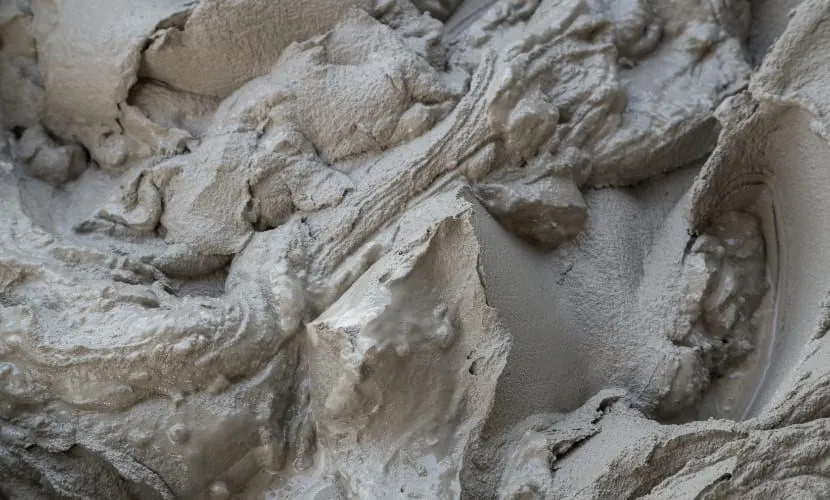
Mix a small amount of cement with water to form a thick paste.
Apply this paste on a flat surface or plate and observe how it behaves.
Good cement paste:
- • Should start setting in a reasonable time
- • Should not crack quickly
- • Should become firm after some time
If the paste cracks too early or does not set properly, the cement quality may be poor.
This method is a practical way of how to test cement at home without any special tools.
Shape
8. Strength Test with a Cement Block
Make a small block using cement paste or mortar.
Let it dry for 24 hours, then place it in water for a few days. After that, try to break it with your hands.
Good quality cement will form a hard block that is difficult to break.
If the block breaks easily:
- • The cement may lack strength
- • It may not be suitable for construction
This is a reliable field test for cement used to check basic strength.
Shape
9. Check Color of Cement
Good cement usually has a uniform grey color with a slight greenish shade.
If the color is uneven or looks very dull:
- • It may contain impurities
- • It may not be properly manufactured
While color alone does not confirm quality, it gives a useful indication when combined with other tests.
This visual check is an easy part of your cement quality test routine.
Shape
10. Check for Adulteration (Simple Visual Check)
Sometimes, low-quality materials like sand or dust are mixed with cement.
To check this:
- • Take a small amount of cement
- • Spread it on a clean surface
- • Look closely for visible particles
Good cement should look uniform and consistent.
If you notice different particles or uneven texture, it may indicate adulteration.
This step is important for a complete cement quality check at the site.
Shape
Why These Tests Matter
Many construction issues—like cracks, weak walls, or surface damage—start with poor cement quality.
Doing these simple tests helps you:
- • Avoid structural problems
- • Ensure better strength and durability
- • Save money on repairs
- • Build with confidence
These methods are especially useful for homeowners, site supervisors, and small contractors who may not always have access to laboratory testing.
Shape
Choosing Reliable Cement Makes a Difference
While these tests help identify basic quality, choosing a trusted brand is equally important.
Manufacturers like Amrit Cement follow strict quality standards and ensure consistency in every bag. This reduces the risk of defects and gives better performance in real construction conditions.
Instead of relying only on testing, combining these checks with a reliable brand gives the best results.
Shape
Final Thoughts
Checking cement quality does not have to be complicated. With a few simple steps, you can perform an effective cement quality test right at your construction site.
From checking lumps and texture to performing water and strength tests, each method helps you understand how the cement will behave in real conditions.
If you are wondering how to test cement at home, these practical methods are enough to give you clarity and confidence.
Regular cement quality checks using these techniques ensure that your structure stands strong for years. A small effort at the beginning can prevent major issues later.
In construction, quality always starts with the right materials—and cement is where it all begins.