Cold Joints in Concrete: Causes, Risks and How Builders Can Prevent Them
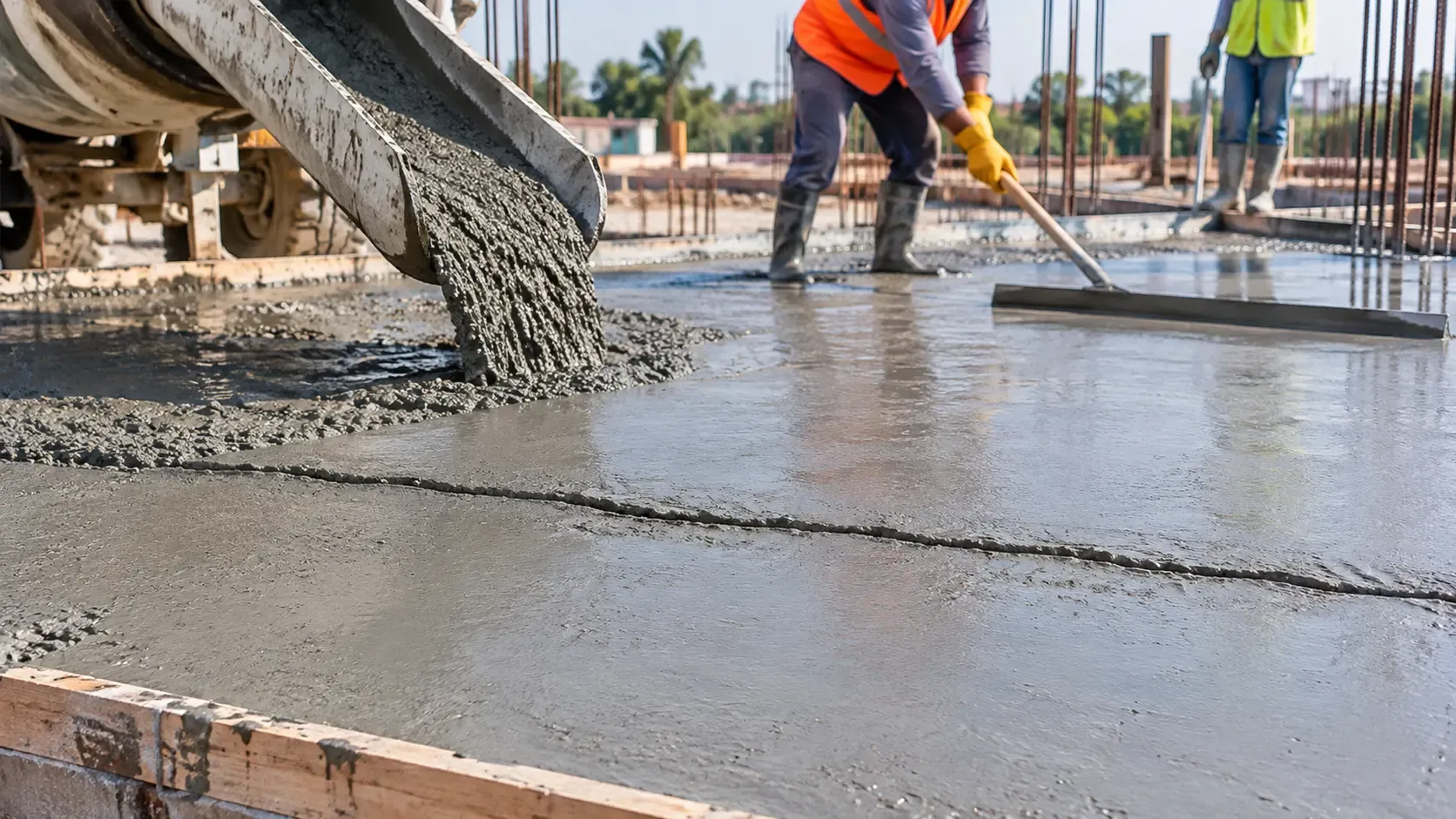
The slab casting has started. The first batch is placed. Then the mixer stops, the next truck is delayed or heavy rain interrupts the work. By the time fresh concrete arrives, the earlier layer has already begun to harden.
Workers may still try to join the two layers by pouring new concrete on top. But the connection may no longer behave like one continuous placement.
That is how a cold joint in concrete can develop. The problem is not simply that work paused. It is that the earlier concrete became too stiff for the new concrete to properly mix and bond with it during placement.
What Exactly Is a Cold Joint?
A cold joint is an unplanned interface that forms when concrete placement is delayed long enough to prevent proper intermingling and bonding between the earlier and later material.
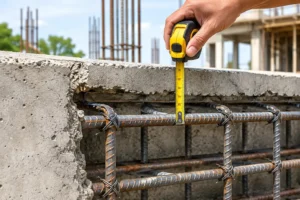
It may appear as a visible line in a column, wall, beam or slab. In other cases, the interface may be hidden inside the member. The severity depends on the location, delay, concrete condition and whether the joint was treated correctly.
Not every visible line indicates a serious cold joint. A planned construction joint can be safe when its location and preparation are part of the structural design. A cold joint is different because the interruption was not properly planned or managed.
Why Delays Matter During Dhalai
Concrete gradually loses workability after mixing. As cement hydration continues, the mix stiffens and eventually sets.
While the earlier concrete remains workable, suitable placing and compaction may allow successive lifts to merge properly. Once it has stiffened too much, vibrating the next lift cannot automatically restore that connection.
The time available depends on the mix, temperature, admixtures, transport and site conditions. There is no safe universal gap of a fixed number of minutes for every project.
That is why a pour needs planning before the first batch arrives.
Read More: Roof Casting (Dhalai) Checklist: 10 Things to Check
Causes of Cold Joints in Concrete
Cause One: Interrupted Concrete Supply
If the site relies on a small mixer, a power cut or equipment breakdown can stop the work. With ready-mixed concrete, traffic, route delays and poor delivery coordination may create long gaps between trucks.
For a large slab or deep column, the team should estimate material demand and delivery sequence in advance. Arrange reliable equipment, access and a backup plan for foreseeable interruptions.
Never assume that faster work later will erase the effects of a delay already caused.
Cause Two: Rain Stops the Pour Midway
In Northeast India, sudden rain is a familiar concern. A site may begin casting in clear weather and face a downpour shortly afterwards.
Heavy rain can wash cement paste from fresh concrete and make placement unsafe. If a pour has to stop, the engineer should guide the location and treatment of the resulting joint.
Do not pour fresh concrete over a water-covered or contaminated surface. Remove standing water and loose material as directed, and follow the approved joint preparation before continuing.
Rain protection, drainage and scheduling should be part of the casting plan, especially during the monsoon.
Cause Three: Workers Place Concrete in Unsuitable Lifts
Deep columns and walls need a controlled placement method. If one layer is allowed to stiffen before the next is placed, an unwanted interface can form.
The team must coordinate the placing rate, layer thickness and compaction method. The vibrator should be used as specified so adjacent fresh layers can be properly consolidated while the concrete is still workable.
Pouring from an unsuitable height or letting materials separate can create additional defects. The objective is not merely to fill the shuttering. It is to place sound, continuous concrete in the member.
What Risks Can a Cold Joint Create?
A poor interface can reduce the bond and continuity of concrete across the joint. In some conditions it may provide an easier path for water to enter. The effect on structural performance depends on the member and the forces it is designed to resist.
A cold joint near a critical region of a beam, column or wall needs particular attention. It should not be dismissed as a harmless line that can be hidden with plaster.
Equally, a visible joint is not automatically proof that the whole member must be demolished. The responsible engineer must assess its location, condition and required performance before choosing a response.
What If a Cold Joint Has Already Formed?
Stop and report the problem to the site engineer. Record when placement stopped and restarted, the location of the interface, weather conditions and the concrete batches used.
Do not apply a random bonding chemical or cement slurry and assume the joint is repaired. Depending on the circumstances, the engineer may specify surface preparation, removal of weak concrete, a designed bonding system, additional reinforcement, testing or another repair method.
For planned construction joints, roughening, cleaning and other preparation requirements are selected by the structural design and project specification. The same approach cannot be applied blindly to every unplanned joint.
Prevention: Plan the Pour as One Operation
Before dhalai, confirm the volume of concrete required, equipment capacity, labour availability and expected delivery times. Check formwork, reinforcement and access so work does not stop for preventable reasons.
Keep the approved mix and placement procedure ready. Arrange suitable compaction equipment and workers who know how to use it.
Plan where a pour could safely stop if a disruption becomes unavoidable. These possible joint locations should be discussed with the engineer, not decided only when a truck is late.
During the pour, keep a simple timeline of batches and interruptions. That record becomes valuable if there is later concern about a joint.
Cold Joints and Curing Are Different Concerns
Good curing helps concrete develop strength after placement. It cannot recreate a proper interface if the earlier and later layers failed to bond during casting.
Likewise, choosing a cement with suitable strength properties does not remove the need for continuous, controlled placement. The whole process matters: mix design, supply, timing, compaction and curing.
This distinction is important when a site tries to repair a process problem by changing only the material.
A Short Dhalai Checklist
- Confirm concrete supply and backup arrangements.
- Check the weather and protect fresh concrete from heavy rain.
- Agree on possible planned stopping points with the engineer.
- Place successive layers while they can still be consolidated together.
- Keep records of delays, batches and work interruptions.
- Report unexpected joints before covering them.
FAQs
What Is the Difference Between a Cold Joint and a Construction Joint?
A construction joint is planned and detailed. A cold joint develops when an unplanned delay prevents successive concrete placements from bonding properly.
Can a Cold Joint Cause Leakage?
Yes, a poorly formed interface may allow water to pass more easily, depending on the joint and exposure conditions.
Can Extra Vibration Fix a Cold Joint?
Not once the earlier concrete has stiffened too much. Follow the engineer’s instructions instead of relying on vibration alone.
How Long Can Dhalai Stop Before a Cold Joint Forms?
There is no universal time. It depends on the mix, weather, setting behaviour and placement conditions.
Can Amrit Cement Prevent Cold Joints?
No cement brand prevents a joint caused by poor timing. Approved mixes, uninterrupted supply, correct placement and engineer-led joint management are essential.