Cracks in concrete are one of the most common problems seen at construction sites. Sometimes cracks appear just a few days after Dhalai, and sometimes they show up months later. While small cracks may look harmless, they can slowly weaken the structure and reduce its lifespan.
Most concrete cracks are not accidental—they are caused by mistakes in material selection, mixing, curing, or workmanship. The good news is that most cracks can be prevented if the right practices are followed from the beginning.
What Is Crack Formation in Concrete?
Crack formation occurs when concrete is unable to handle stress, shrinkage, or environmental changes. Concrete is strong in compression but weak in tension. When internal or external forces exceed its capacity, cracks develop.
Understanding why cracks form is the first step toward preventing them.
Common Causes of Cracks in Concrete
1. Plastic Shrinkage Cracks
These cracks appear within a few hours of Dhalai, mainly due to:
- Rapid loss of moisture
- Hot or windy weather
- Improper curing
Concrete dries too fast, causing surface cracks.
2. Drying Shrinkage Cracks
As concrete hardens, it naturally shrinks. If this shrinkage is restrained, cracks form due to:
- High water-cement ratio
- Poor curing practices
- Use of low-quality cement
3. Thermal Cracks
Temperature changes cause concrete to expand and contract. Thermal cracks occur due to:
- High heat of hydration
- Sudden temperature drop
- Poor quality control during Dhalai
4. Structural Cracks
These are serious cracks caused by:
- Poor design
- Low-strength concrete
- Overloading
- Inadequate reinforcement
Structural cracks affect safety and should never be ignored.
5. Settlement Cracks
Settlement cracks happen when:
- Concrete settles unevenly
- Soil compaction is poor
- Reinforcement placement is incorrect
These cracks usually appear near columns or beams.
How to Prevent Crack Formation in Concrete
Use the Right Cement
Quality cement with controlled fineness and composition ensures:
- Uniform hydration
- Balanced strength development
- Reduced shrinkage
Avoid using old or low-grade cement.
Maintain Proper Water–Cement Ratio
Excess water may make concrete easy to place, but it:
- Weakens concrete
- Increases shrinkage
- Leads to cracking
Always follow recommended mix proportions.
Ensure Proper Curing
Curing keeps concrete moist so strength can develop properly.
- Start curing within 24 hours
- Continue curing for at least 7–14 days
- Avoid early drying
Proper curing is one of the most effective crack-prevention methods.
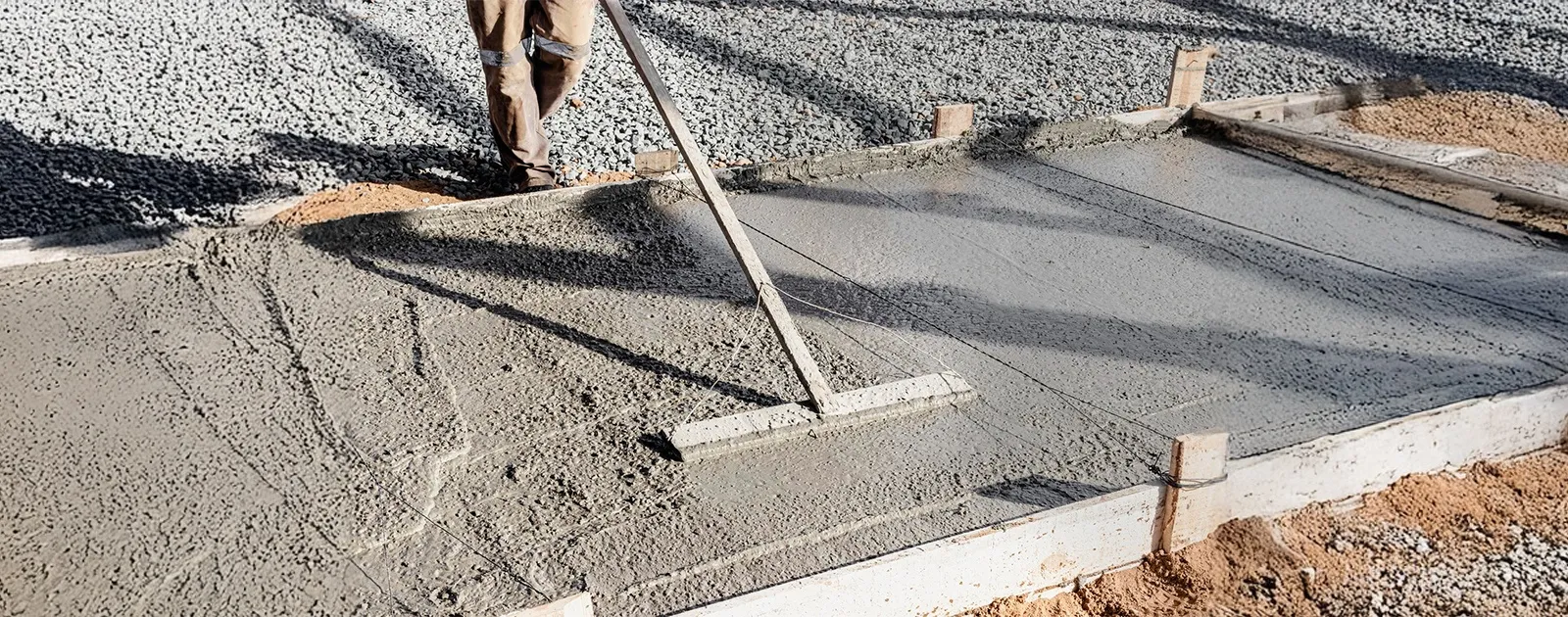
Follow Correct Dhalai Practices
- Avoid rapid pouring in hot weather
- Use vibration properly to avoid honeycombing
- Place reinforcement correctly
- Do not remove shuttering too early
Use Consistent, Quality-Controlled Cement
Mixing different cement brands or batches can cause:
- Uneven setting
- Inconsistent strength
- Higher crack risk
Always use cement from a reliable manufacturer.
Why Crack Prevention Is Important
Ignoring cracks can lead to:
- Water leakage
- Corrosion of reinforcement
- Reduced structural life
- Higher repair and maintenance costs
Preventing cracks during construction is far cheaper than repairing them later.
Conclusion
Crack formation in concrete is not just a surface problem—it is often a sign of deeper issues related to material quality and construction practices. By choosing the right cement, maintaining proper mix proportions, and following correct curing and Dhalai methods, most concrete cracks can be avoided.
Amrit Cement Limited produces high-quality, consistent cement with controlled fineness and strength parameters, helping reduce shrinkage and improve durability. When you choose Amrit Cement Limited, you are choosing reliable performance and long-lasting concrete structures.
Frequently Asked Questions (FAQs)
Why do cracks appear in concrete after Dhalai?
Cracks appear due to shrinkage, temperature changes, excess water, poor curing, or low-quality cement.
Are all concrete cracks dangerous?
No. Hairline cracks are usually harmless, but structural cracks can affect safety and must be addressed immediately.
Can curing prevent concrete cracks?
Yes. Proper curing significantly reduces shrinkage and improves strength, helping prevent cracks.
Does cement quality affect crack formation?
Yes. Poor-quality or inconsistent cement increases the risk of cracks due to uneven hydration.
How long should curing be done to prevent cracks?
Curing should be done for at least 7–14 days, depending on cement type and weather conditions.
Can cracks be repaired?
Minor cracks can be repaired, but structural cracks require professional evaluation and corrective measures.
Why choose Amrit Cement Limited for crack-resistant concrete?
Amrit Cement Limited ensures consistent quality, optimal fineness, and reliable strength, which helps minimize crack formation and improve durability.