
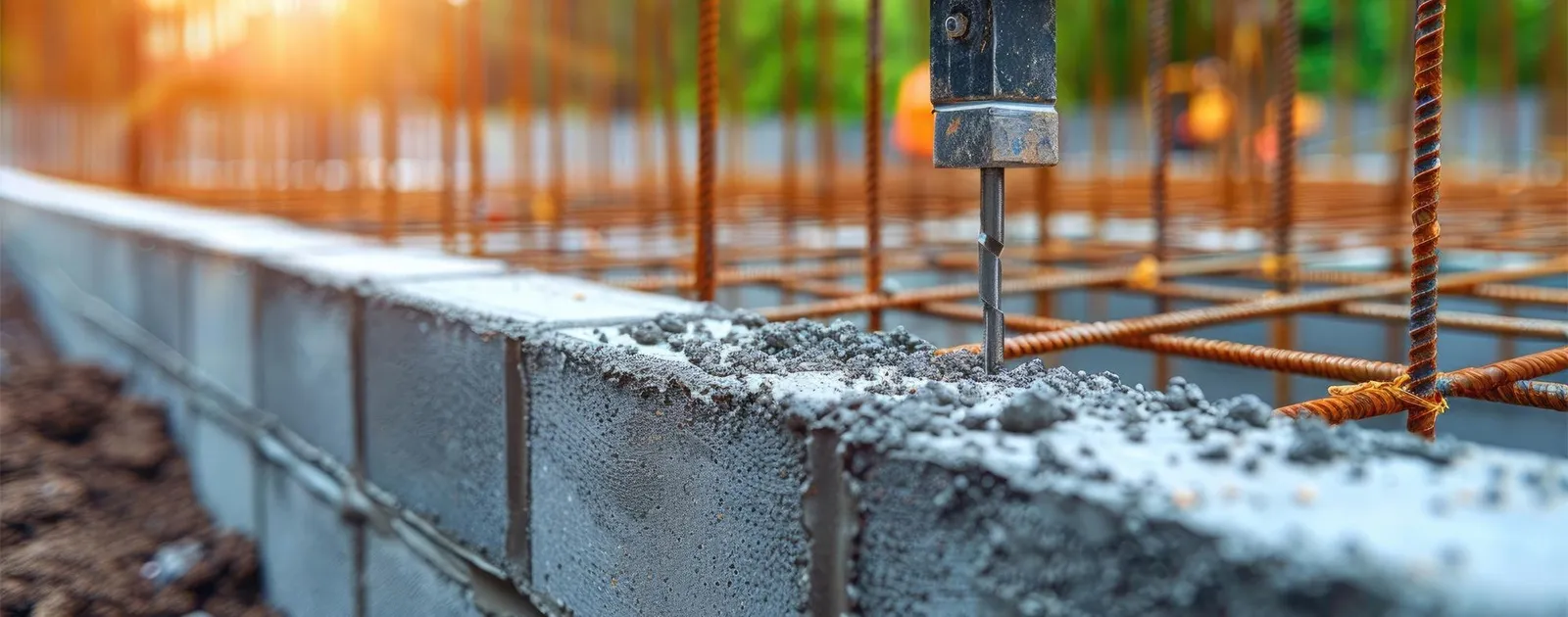
Cement plays a critical role in construction, but many people don’t fully understand what happens from mixing to final setting. Knowing this process helps ensure stronger concrete, fewer cracks, and longer-lasting structures.
In this blog, we explain how cement works from mixing to setting, why each stage matters, and how proper practices can significantly improve construction quality.

What Happens When Cement Is Mixed with Water?
Cement on its own is a fine powder. The moment water is added, a chemical reaction called hydration begins. This reaction is what gives cement its strength.
During mixing:
- Cement coats sand and aggregates
- Water activates hydration
- A workable concrete or mortar mix is formed
Correct water quantity is crucial. Too much water reduces strength, while too little makes the mix unworkable.

The Mixing Stage: Getting the Right Consistency
Proper mixing ensures uniform strength throughout the structure.
Key mixing guidelines:
- Use clean water and quality aggregates
- Maintain the correct cement-to-aggregate ratio
- Mix until the color and texture are uniform
- Avoid adding extra water after initial mixing
Good mixing leads to better bonding and improved durability.

Initial Setting of Cement: When Stiffness Begins
The initial setting time is when the cement paste starts losing its plasticity and becomes stiff.
Typically:
- Initial setting starts within 30–60 minutes
- Concrete should be placed and finished before this stage
Delays during this phase can cause cold joints and weak bonding between layers.

Final Setting: Cement Gains Shape and Strength
The final setting time is when cement completely hardens and can hold its shape.
At this stage:
- Cement stops being workable
- Structural integrity starts developing
- Surface finishing must be completed earlier
Final setting does not mean full strength — strength continues to develop over time.

Strength Development After Setting
Cement continues to gain strength well beyond setting.
Strength development timeline:
- Major strength gain in the first 7 days
- Significant improvement by 28 days
- Continuous strength gain over months with proper curing
This is why curing is essential after setting.

Importance of Curing After Setting
Curing maintains moisture in concrete so hydration continues properly.
Effective curing:
- Prevents surface cracks
- Improves compressive strength
- Enhances durability and lifespan
Common curing methods include water ponding, wet coverings, and curing compounds.

Common Mistakes to Avoid
- Adding excess water during mixing
- Poor or uneven mixing
- Delayed placement after mixing
- Inadequate curing
Avoiding these mistakes ensures stronger and more reliable concrete.
Conclusion
From mixing to setting, every stage of cement behavior plays a vital role in construction quality. Proper mixing, timely placement, correct setting, and adequate curing are the foundations of strong, durable structures.
Understanding this process helps builders and homeowners make informed decisions — ensuring that what they build today remains strong for years to come.

FAQs: Cement Mixing and Setting Explained
Q1. What is hydration in cement?
Hydration is a chemical reaction between cement and water that causes cement to harden and gain strength.
Q2. How long does cement take to set?
Initial setting usually begins within 30–60 minutes, while final setting may take several hours, depending on cement type and weather.
Q3. Can cement set without curing?
Cement may set, but without curing it will not achieve full strength and may develop cracks.
Q4. Does adding more water make concrete stronger?
No. Excess water reduces strength and increases the risk of cracks.
Q5. When does cement reach full strength?
Concrete achieves most of its design strength in 28 days, with continued strength gain over time.