Building a home in India takes a long time, plenty of money and a lot of patience – but building one in Northeast India throws in a special extra bundle of challenges – just as long as you understand the local terrain you’ll be building on, the weather you’re going to have to deal with, and the road (or non-existent road) that’ll be getting your building supplies to the site.
Its not an exaggeration, folks – the eight states of India’s Northeast – Assam, Meghalaya, Manipur, Mizoram, Nagaland, Arunachal Pradesh, Tripura, and Sikkim – all get caught in a perfect storm of the most challenging natural conditions on the face of the earth. Tremendous seismic activity, record breaking rainfall that’ll make your eyes water, hilly terrain that is a nightmare to work with, near-impossible supply chains and a monsoon season that’ll bring all construction to a grinding halt for months on end.
But its not like things arent changing – construction is taking off, urbanisation is accelerating and the government is finally putting in the cash to get housing, highways, and the rest of the infrastructure sorted out – people are building, expanding and upgrading their homes like never before.
But here’s the thing – a lot of them are going about it without really grasping the unique construction challenges in Northeast India – and that is costing them big time – we’re talking cracked walls, flooded foundations and structures that just wont last.
This post tries to break down each of those challenges, explain the science and data behind them and – just as importantly – give you some practical tips to try and get it right the first time.
Why Northeast India is not like the rest of the country – when it comes to building
lets get some numbers, shall we ?
- Rainfall: Meghalaya gets a whacking great 11,777 mm every year – which just so happens to be one of the highest totals anywhere in the world. Meanwhile Assam is getting over 2,000 mm in some areas, with a few places even getting in excess of 3,000 mm each year – (source India Met Dept). And here’s the thing – it’s not just raining – it’s pouring – for months on end.
- Earthquakes : When we look at the official data – the whole of Northeast India is rated Seismic Zone V – which is the worst case scenario in India. And its not just some small quakes either – we’re talking massive earthquakes – 8 point plus – the kind that can level towns. Smaller shakings (4-6 on the Richter scale) are happening all the time in just about every state in the region.
- Terrain: A staggering 70% + of the Northeast is either hilly or mountainous – which means bad news on several fronts – your building materials have a long way to go, your foundations are going to be tricky to lay, and flat land that you can just build on is sadly a rare thing.
- Infrastructure: Only a tiny 36% of the roads in Northeast India are even surfaced – which means getting materials to your site is a whole lot harder (and more expensive) than you would expect – especially when you compare it to the national average of 72%.
And you know what ? These issues dont happen in isolation – they all play off each other. A big earthquake destabilises soil thats already slumping from the rain – a bad road becomes impassable during monsoon – and the combination of hilly terrain and record breaking rain means landslides that will send you back to square one.
Challenge 1: Building in High-Rainfall Areas – Where Water’s Always a Problem
The first thing you learn when you’re working in construction in high rainfall areas is that water isn’t just a monsoon problem – it’s a constant threat to buildings throughout the year.
In the Northeast, the worst of the rain comes from May to October. During that time, building sites get utterly waterlogged. Freshly poured concrete gets completely washed away before it has a chance to cure. Earthwork starts to collapse. Foundation trenches are flooded by morning. And plaster cracks all over the place because of the constant wet and dry cycles.
The Risks Involved
- Protecting Concrete from the Rain: Rainwater hitting freshly poured concrete before it’s even set causes the cement paste on the surface to get washed away. The Bureau of Indian Standards says that fresh concrete should be kept dry for at least a full day after it’s poured – that’s 24 hours.
- Foundation Settlement: When the ground is waterlogged, its strength drops. If you lay foundations in saturated soil without properly clearing out the water, then the foundation’s going to start shifting and cracking.
- Wall Damp and Leaks: When it’s super humid, moisture seeps right through the walls of a building faster than you’d think. But if you use walls made of low-permeability plaster and concrete, your building’s going to last a lot longer.
So How Do You Deal with It?
- Choose Your Pours Carefully: Keep an eye on the weather and only pour concrete for a big slab or column when you’re pretty sure it’s going to be dry for 24-48 hours.
- Make Your Concrete Mix Stronger: If you keep the water to cement ratio down at 0.45 or below, you’ll end up with a very low-porosity concrete that’s more resistant to weather. Anything beyond that is just creating tiny channels for water to seep in later.
- Use Portland Pozzolana Cement (PPC): PPC contains some special pozzolanic material that reacts with the calcium hydroxide in cement to fill in all the tiny holes and gaps over time. And that’s really useful in areas with a lot of rain where lots of water is always trying to get in.
- Waterproof Every Single Bit of It: From the bottom of the foundations right up to the top of the final slab, waterproofing is not just a finishing touch – it’s structural protection. It’s essential in the Northeast where the rain just keeps coming.
Challenge 2: Seismic Zone V – The Earthquake-Resistant Conundrum in Northeast India
Every single state in Northeast India is chopped up and down by Seismic Zone V, the Indian standard for maximum earthquake risk. And let’s not forget the 1950 Assam earthquake – a whopping 8.7 magnitude that still holds the record for the most powerful earthquake in the Indian subcontinent. Cities like Guwahati, Shillong, Imphal and Tezpur sit right on or bang next to active fault lines – the literal earthquake hotspot.
This creates a whole heap of problems for earthquake resistant construction in India. It’s a challenge that fundamentally changes the way every single bit of a building needs to be designed and built – not to mention tested and reinforced.
The Nightmare Scenarios:
- You still see loads of unreinforced brick masonry – a construction method that still manages to pop up in loads of different parts of the region – and it’s a real non-starter in earthquakes. Walls come crashing down, roofs creak and buckle and before you know it, the structure collapses because the column-beam frame just hasn’t got a hope in hell of absorbing the earthquake forces.
- Crappy concrete with a high water-cement ratio and under-reinforced columns plus the odd weak joint here and there is a pretty guaranteed route to structural failure in a quake. Weak joints are by far the most common point of failure in an earthquake.
- Building without seismic design – no ductile detailing, no proper column-beam connections – is basically like playing Russian Roulette with your building, even in a fairly mild tremor.
Getting Out of This Mess:
- Don’t ignore IS 1893 and IS 13920: IS 1893 is the seismic loads your structure needs to be designed to handle. IS 13920 spells out the rules for ductile detailing in concrete frames – so how to tie reinforcement at joints so that columns and beams can flex a bit without snapping, you know? Both are essential for Seismic Zone V construction – but get frequently skipped in smaller residential projects because who’s really going to bother anyway?
- Go for RCC frames: A solidly designed RCC frame – where all the columns, beams and slabs work together to resist seismic forces – will give you the rigidity and flexibility you need to absorb all that quake energy. And like, don’t put any load-bearing brick walls in there – use them as infill only.
- Choose high-grade cement: Concrete in columns and beams needs to hit the target strength reliably – or else. OPC 53 grade cement reaches 53 MPa in 28 days – so it’s the right choice for structural elements in quake-prone areas where concrete quality can be all the difference between a safe home and a disaster in waiting.
- Get a structural engineer on board: and invest the minimal fee it’ll cost them to check over the design – because building or repairing a structurally dodgy home just isn’t worth the risk.
Challenge 3: Building Homes in Hilly Areas – It’s Not Just About the Foundation
Hilly areas cover a whopping 70% of the Northeast’s geography , and building in these areas is a whole different ball game when it comes to structural challenges that flat land construction doesn’t even begin to address.
In a hilly area, you’ve got a few major issues on your hands :
- Uneven load distribution : When you’re building on a slope, the column heights on the uphill and downhill sides are gonna be different. And let’s face it, shorter columns are always stiffer. In an earthquake, those stiff short columns are the first ones to attract all the force and snap under the pressure – that’s known as the “soft storey” or “short column” effect.
- Slope instability and landslides: We ‘re talking landslide country here in the Northeast ,and it turns out our region has some of the highest frequencies of landslides in India (at least that’s what Disaster.Shiksha had to say in 2025). And the thing is, any construction on a slope just increases the risk – whether you’re cutting into the slope, removing trees, or messing with the drainage.
- Retaining wall failures: It’s a pretty common problem : poor retaining walls on cut slopes can cause some serious property damage, and in the worst cases, the whole thing can come crashing down.
- Building on fill material : Don’t even get me started on the issues you can run into when building on filled soil without doing proper compaction testing. When you cut and fill soil on a hillside, the building’s going to settle unevenly over time.
Now, how to actually get it right:
- Get a proper geotech investigation done first: Before you start laying any foundation on a slope, you need to know what kind of soil you’re dealing with. That means getting a soil test done (and no, a boring log and SPT aren’t optional – it’s a must-have for building in hilly areas like this).
- Use stepped or raft foundations: On a sloping site, stepped foundations are the way to go – they follow the natural ground profile and reduce the risk of differential settlement. But you’re gonna need a structural engineer to figure out the right foundation type for your slope angle and soil.
- Design proper retaining walls : Anytime you’ve got a cut slope over 1.5 metres high, you need a designed retaining wall with proper drainage. And don’t even get me started on the importance of drainage behind that wall – water pressure is often what causes them to fail.
- Be careful not to mess with the natural drainage: We all know that redirecting natural water flow during construction is a recipe for slope erosion and landslides. Take some time to map out the drainage patterns before you start excavating.
Challenge 4: Monsoon Construction Problems – When The Season Grinds Everything to a Halt
Even if you’ve got a handle on every challenge listed above, monsoon season still throws up a major roadblock. Monsoon construction headaches are just as much about getting things done as they are about technical know-how.
From June to September, it’s all about the practicalities:
- Labour just vanishes: During peak flood season and harvest time, the workers pack up and head back to their villages.
- Cement and steel take an age to show up: Only 36% of Northeast roads are surfaced and a lot of the unpaved ones become impassable in heavy rain, so the supply chain goes haywire. What usually takes 3-5 days in dry conditions will now take 3-4 weeks to arrive.
- Can’t pour concrete when it’s raining: Pouring concrete in the rain just doesn’t work – all that extra water wrecks the mix. And a lot of sites just shut down RCC work altogether during the monsoon months.
- Bricklaying suffers too: Mortar that doesn’t set right because of all the constant moisture just isn’t strong enough to hold together.
The good news is, there are ways to get around it:
- Plan your construction schedule to coincide with the dry season: For the Northeast, the practical window for building is roughly October to April. That’s when you do your foundation, column, and slab work. Save the monsoon months for finishing the inside, plastering (with a bit of protection), and stockpiling materials.
- Get your materials in early, before the monsoon sets in: Stock up on cement, sand, steel and aggregates on site before May. This is especially crucial given how dodgy the logistics are in the Northeast. Most experienced builders in the region reckon that having 30-60 days’ worth of materials on site before the rains start is par for the course.
- Protect that concrete with proper curing: When you have to pour it during the shoulder months of the monsoon, just slap on some polyethylene sheeting and curing compound to stop the rain getting to it for the first 24 hours.
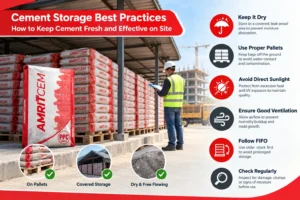
- Choose a cement that can handle the humidity: If you’ve got cement that’s been stored in humid conditions, it can soak up moisture and lose strength before you even use it. Just check the manufacture date, use the stuff you bought first and make sure you’ve got it stored on pallets in a waterproof shed.
Challenge 5: Logistics and Materials – Getting the Right Stuff to Where it’s Needed
This is a major operational challenge that can also have a real impact on the quality of the job. When you’re working in a remote area – and there are plenty of those in the hill districts of Meghalaya, Arunachal, Mizoram and Nagaland – getting good quality building materials in can be a hassle and a real expense. It’s tempting to just use whatever is readily available in the area, even if it’s not the best.
But that’s a recipe for disaster – using substandard aggregates that don’t meet the grade, steel that doesn’t meet the BIS standards, and cement that’s been stored in some warehouse for months before you even get to it.
So how do you overcome this?
- Stick with a cement supplier that’s got depots in the region : If you’re building in Assam, or anywhere else in the Northeast, choose a cement brand that’s got a local depot – one that’s not shipping in from hundreds of miles away. This cuts down the time in transit, reduces the risk of the product getting damaged during storage, and saves you money to boot. A brand like Amrit Cement has got depots all over Assam, Meghalaya and the surrounding states, so it’s a no-brainer.
- Make sure all your materials are BIS certified: If you’re buying cement bags, make sure they’ve got the ISI mark and a batch number on them. Steel bars should have that 1786 compliance stamping on them. And if you’re sourcing aggregates locally, you should be testing them to make sure they’re up to scratch.
- Build in a 15-20% contingency into your logistics budget: If you’re working in a remote area, you’re going to have to budget more for getting your materials in than you would in a more urban setting. Cutting costs by using substandard materials may seem like a good idea at the time, but it’s just a false economy – it’ll come back to haunt you when the building starts falling apart years later.
Choosing the right cement for Northeast India – what to look for in this tricky terrain
With the unique set of challenges Northeast India presents – torrential rains, earthquakes, rolling hills, and the endless monsoon – what do you really need from your cement to get the job done? The answer depends on how you plan to use it.
For building the backbone of your project (columns, beams, slabs): we reckon OPC 53 grade cement is the way to go here. It gives you a serious boost in early strength – which is pure gold when you’re working to tight deadlines and can’t hang around for ages to get your formwork out of the way. And the fact that it’s hitting a 53 MPa strength mark at the 28 day point means your structural bits are going to be rock solid – and that’s precisely what you need to withstand the seismic action in this region.
For keeping water at bay (plastering, masonry, waterproofing): you’re better off with PPC (Portland Pozzolana Cement). It’s got this cool trick up its sleeve where over time it reduces permeability thanks to a little bit of chemistry magic – which in turn means your walls, plaster, and whatnot are going to be way more resistant to water and moisture. And as a bonus, it also generates less heat during the hydration process – which means your walls are less likely to end up with all those annoying shrinkage cracks that let water in in the first place
Amrit Cement has got your back here – their product range includes OPC 53, OPC 43, and PPC, all of which are manufactured to Indian standards & distributed all over Northeast India – designed specifically with this region’s construction needs in mind.
Frequently Asked Questions (FAQs)
Q1. What are the biggest headaches when constructing in Northeast India? The top five problems people usually face are: dealing with extreme rainfall and water getting inside the building, the very high risk of earthquakes (Seismic Zone V) where a small shake can cause big problems, the tricky hilly terrain that makes it hard to get a solid foundation and keeps slopes from collapsing, the monsoon season which often disrupts construction schedules, and trying to get the right materials to remote sites when you need them.
Q2. What type of cement do I need for building in Assam and Northeast India? For building the strong structural bits of your house (frame, columns, beams, slabs), you want to use OPC 53 grade cement which has a high early strength. For plastering, masonry, and walls that are exposed to a lot of moisture you want to use PPC which is lower in permeability and will last longer. Most construction in the Northeast actually ends up using a mix of OPC 53 for the frame and PPC for the finish work.
Q3. How do I make my home safe from earthquakes in the Northeast? First, get a structural engineer who knows their stuff and will apply the right seismic loads to the design – don’t try to do it yourself. Then use a reinforced concrete frame which is designed to flex in an earthquake and won’t fall apart. Make sure you have high-quality concrete with the right mix of water and cement, and make sure the joints where the beams and columns meet are properly tied together with stirrup steel. Don’t even think about putting short columns on a slope.
Q4. Can I build during the monsoon season in Northeast India? You can do some work, but you have to be careful and plan ahead. Avoid laying foundations or doing concrete work when it’s really raining. That’s better done from October through to April. You can do some interior work, like installing pipes and electrical wiring, but try to get all the groundwork done before the monsoon hits. Experienced builders in the area stock up on materials and plan their work accordingly.
Q5. How do I build on a hilly or sloped site in the Northeast? Always get a geotech survey done before you start building. Then, work with a structural engineer to design a good foundation that can handle the slope and the weight of the building. Don’t start building without proper retaining walls on any slopes over 1.5metres high. And get your drainage right – on a hillside site that’s just as important as the structural design.
Northeast India Demands More – Come Prepared
Building in the Northeast can be a real challenge – but a rewarding one. This part of the world is on the move – and that’s good news for the construction industry. There’s a growing demand for quality housing, and the government’s investing heavily in infrastructure in states like Assam, Meghalaya and Arunachal – and the neighboring ones too.
But let’s face facts – the region’s not exactly going to make your life easy. Build a house without considering earthquakes and it’ll be cracking as soon as the ground starts shaking. Build a structure with substandard concrete and you’ll be watching your walls leak like sieves every monsoon. And lay a foundation on unstable soil and you can bet your bottom dollar it’ll be sinking in over time. And let me tell you, all of these problems will cost you an arm and a leg to fix.
So the idea isn’t to shy away from building altogether – just to build with your eyes open. That means getting the design right, using the right materials for the job, and having some good people with the right know-how on hand to give you the guidance you need, based on the specifics of your site and where you are.
We at Amrit Cement have been helping out with construction in Northeast India and West Bengal for a good long while now. Our OPC 53, OPC 43 and PPC products have the necessary BIS certification and we’ve got a network of distributors in place to make sure you get what you need. We also have an on-site team ready to put you in touch with the technical expertise you need to get your project up and running in this tricky but beautiful region.