
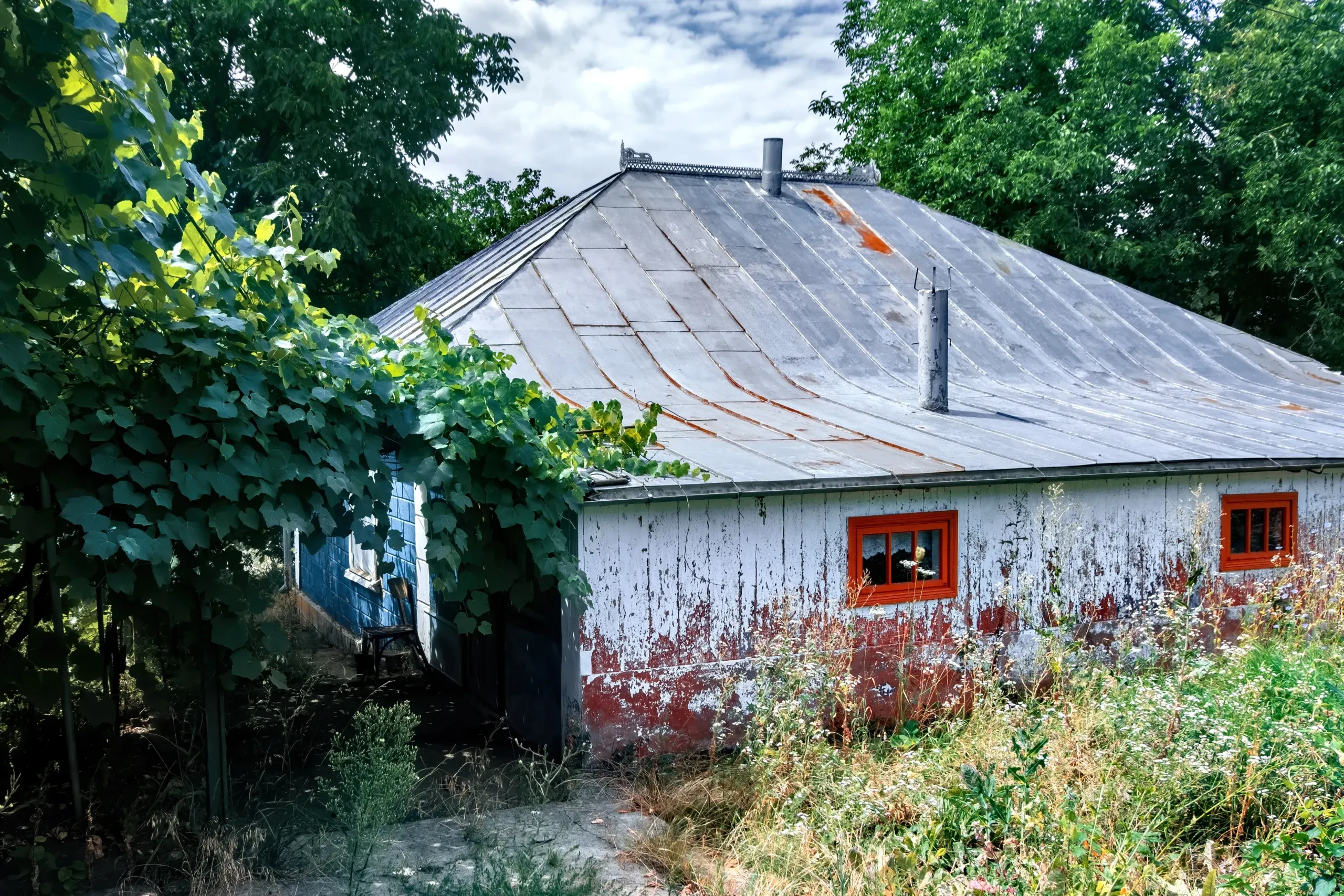
A new built roof is expected to keep a home dry for many years. But unfortunately, many homeowners start seeing the first signs of trouble – damp patches showing up, water dripping from the ceiling, or unsightly cracks appearing on the slab – just after one or two monsoon seasons. This sort of thing is commonly referred to as roof leakage after the monsoon, and it’s a threat that is felt by builders and homeowners across India.
The most roof leaks aren’t actually caused by the rain itself. It cause due to small mistakes made during the slab casting process, during the mixing or pouring, and before you know it the slab is already weak and starts leaking. And then when the rains come and the water finds its way inside, that’s when the problems really start.
Why Roof Leakage Happens After Dhalai
Even with all the best laid plans, many roofs end up leaking within a few months of the slab going in. Some of the most common reasons for this include
- Improper curing of the concrete: Let’s be honest – concrete needs lots of TLC in the first couple weeks after it’s laid down, and if that doesn’t happen, it can start to crack and weaken.
- Wrong concrete mix ratio : When you use the wrong amount or type of cement,sand, or aggregate in your mix, you’re basically setting your slab up for a world of trouble.
- Honeycombing in the concrete: those holes or gaps that form when the concrete isn’t properly compacted.
- No waterproofing layer: No protective coating on the roof gives clear path to water.
- Thermal expansion and contraction starting to show up: when the sun beats down on the roof and then it rains, that’s a recipe for disaster – cracks will appear and before you know it – you’ll be fixing a leaky roof.
- A flat roof with no slope: flat means puddles, and puddles on a roof are trouble waiting to happen.
How Roof Cracks Lead to Leakage
Most leakages start with tiny cracks that are invisible at first.
These cracks come because of a combination of things:
- Drying shrinkage
- The way the concrete expands and contracts with the temperature
- Being cured the wrong way
- The building settling and shifting over time
- The concrete not bonding properly
And then over time rainwater starts seeping into those tiny cracks and works its way under the slab.
In the summer, the cracks get even bigger because concrete and steel just don’t react the same to heat – and that just makes things worse. That’s why roof crack prevention really needs to start right from the very beginning of the construction process rather than just waiting for the problem to show up.
The Impact of Roof Leaks
Roof leaks are not just a minor issue, they can really cause some major problems:
- Structural damage: Water getting in eats away at the steel reinforcement in the slab and that reduces its strength.
- Interior damage: You get peeling paint and damp patches all over the place and then you start to get fungus growing which is just awful for your health.
- Health hazards: All the dampness encourages mold to grow and that can give you all sorts of respiratory issues.
- Financial hit: And to top it all off the constant repairs just add to your maintenance costs.
- Loss of value: And last but not least a leaking roof just drags the resale value of your property down big time.
How to Prevent Roof Leakage After Dhalai
Some tips to prevent roof leakage
1. Get Your Concrete Mix Right
- Mix your concrete using the right ratio (1 part cement : 2 parts sand : 4 parts aggregate) – don’t skimp on the quality either.
2. Give it Time to Cure
- You need to let the slab cure for at least 14 days before you can even think about calling it done – and make sure you keep it wet with either jute bags or a good ol fashioned water sprinkler.
3. Compaction’s Key
- Mechanical vibrators are a must when it comes to removing air voids during casting – and don’t even think about letting honeycombing sneak up on you, make sure compaction is on point.
4. Waterproofing
- Whether it’s a polymer-based slurry or a good old bitumen coating, make sure you’re using something that’s going to keep your roof from leaking – and don’t forget to slap on some protective membranes for good measure.
5. Design a Roof that Drains
- You need a slope of at least 1:40 to make sure water doesn’t just sit there and start causing problems – and don’t neglect to install drainage pipes at the corners.
6. Expansion Joints
- Large slabs need expansion joints, plain and simple – they’re like a shock absorber for your roof when it gets hot.
7. Regular Maintenance
- Regularly check for cracks and sort them out pronto with epoxy or cementitious grout – the sooner, the better
The Role of Workers in Preventing Roof Leaks
Even the best materials can be wasted if the work done on a roof is subpar.
Getting a roof right depends on a many things :
- Having someone on the job site to keep an eye on things
- Pouring the concrete at the right time
- Making sure you’re applying the right amount of vibration
- Being mindful of how much water you’re using
- Ensuring the concrete has enough time to cure properly
- Finishing the job with care
Experienced contractors know that when it comes to roof slabs, every step of the way needs to be handled with care.
Can Roof Leaks Be Fixed Permanently?
Yes, but how you go about fixing them depends on what went wrong in the first place.
Some common repair techniques are:
- Injecting grouting into cracks
- Applying a waterproof membrane
- Using a polymer coating system
- Re-plastering the surface
- Making adjustments to the drainage system
Conclusion
Leaks in the roof aren’t just a seasonal nuisance, they’re a sign that something went wrong during the slab construction process.
The good news is that most cases of roof leaks can be avoided with:
- Making sure the concrete was mixed properly
- Being mindful of how much water you use
- Ensuring the concrete had enough time to cure
- Having skilled workers on the job
- Getting the waterproofing done in a timely way
A good roof isn’t built by luck, it’s built with the right process, the right materials and the right execution from day one. At Amrit Cement, we believe that strong foundations lead to strong futures. Choosing the right cement and following best practices ensures your roof remains safe, durable, and leak-free.