Drive through almost any town in Assam or the wider Northeast, and you’ll see them staring back at you – unfinished houses with rebar sticking out of the roof, just waiting. The family had been doing fine till their funds ran dry partway through, and the dream just fizzled out.
Nobody starts out with a crystal clear vision of how much it’s going to cost, most first-time builders just have an idea floating around in their heads & are hoping it’ll pan out that way . But then the harsh reality sets in. The price creeps up, then suddenly takes a huge leap – and before you know it you’re way over budget. either your bank account takes a serious hit or corners get cut to the point where the house will be paying for it later.
The thing is though, most of this can be avoided. budget blowouts aren’t usually down to bad luck – its just a handful of the same common cost mistakes that every first time builder falls into time and time again. If you see them coming, you can probably avoid them.
This guide goes through those errors, what each actually sets you back by & how you can actually build a home without watching your hard earned cash go down the drain.
Why the Budget Almost Always Breaks
Building a house is far more than just snapping up one finished product – it’s a handful of tiny choices made over months, with payments for cement today and steel next week, a labour payment here a plumbing change there , a tile upgrade because the one you chose initially looked cheap. Each decision in itself seems like no big deal. But put them all together and that’s where your budget either stays in one piece or starts to unravel.
First timers get caught off guard because, well, they’ve never done this before. They’ve got no inkling of just what they don’t know – they see the big ticket items coming along but somehow still manage to miss all the dozens of other smaller ones. And they rarely, if ever, plan for anything to go wrong. So when it does , and let’s face it, it almost always does, there’s no financial padding to fall back on. That’s when the trouble starts to brew.
The Common Cost Mistakes That Drain Your Budget
Mistake 1: Starting Without a Real Budget or a Cushion
Too many people start a build process with a rough estimate and a whole lot of optimism – no actual breakdown of costs, and rarely a safety net.
But that safety net is important. In our experience, you should aim to set aside an extra 10-15% of your budget for those surprise expenses – price hikes, design tweaks, materials that cost more than expected. Without that cushion, the first unexpected expense means you’re either going to have to put a stop to the whole project or start scrimping on quality. Either way, it’s going to end up costing you more in the long run.
Mistake 2: Only Considering the “Build” Cost
Ask an amateur what their budget is and they’ll usually just quote the cost of the actual build – the shell of the house. But that’s not even close to the full picture. The real cost also includes getting the plans drawn up, getting all the necessary permits and approvals sorted, building the boundary fence, installing the electrics and plumbing, the finishing work, and all the fixtures and fittings that make the place livable.
If you don’t factor all these in, your budget will be way out and you’ll be pouring money into the ground before you’ve even poured the first foundation. The truth is, the house isn’t finished until you can actually move in and start using it.
Mistake 3: Chasing the Cheapest Materials
There’s this attractive idea that can end up costing you big time – trying to save money by opting for the absolute cheapest cement, steel and pretty much everything else – just because it’s a few bucks cheaper per bag or kilo.
The truth is, the materials themselves make up a huge chunk of the construction cost – often as much as 50-60% of the total price – and cement and steel are a couple of the biggest contributors. These aren’t just fancy extras you can skip – they’re the backbone that keeps your house standing. If you skimp on quality, you’re looking at cracks, water damage and repair bills down the line – and sometimes it ends up costing you double what you saved in the first place. If you’re trying to cut costs, there are plenty of places to do that with a build – but the structure isn’t one of them.
Mistake 4: Skipping the Engineer to Save a Pretty Penny
Getting an engineer to design your build feels like throwing money at some unnecessary paperwork, so many first-timers figure they’ll just wing it and let the building guy “sort it out” instead. Problem is, that’s just a false economy in two ways. Without a proper design, you either end up building something that won’t last, or – and this is the worst part – you’ll be throwing good money after bad on extra materials you don’t even need. A good design pays for itself in spades by getting the quantities just right.
Mistake 5: Changing Your Mind Halfway Through the Build
You’re halfway through the build and then you suddenly decide the kitchen needs to be bigger or the staircase needs to move. Problem is, that means bringing down a wall that’s already done – or worse, being left with a half-built staircase that you can’t finish. Every time you make a change late in the build, you’re talking demolition, rework, wasted cash and lost time. It’s all very tempting to make changes on a whim, but trust me, it’s far, far cheaper to sort your design out before you even start pouring the first cement bag.
Mistake 6: Forgetting Just How Expensive Finishing Up Can Be
Here’s one that catches almost every newcomer out – the finishing touches (think flooring, tiles, paint, the kitchen, bathroom fittings, doors, all that jazz) can easily eat up a huge chunk of your overall budget – sometimes as much as a third to nearly half the whole thing. People get so caught up in saving money on the structure that they end up underestimating just how much they’ll need for the finishing touches. And then – well, you’ve either got to overspend to get it done right, or you’re left with a half-finished nightmare that you can’t sell. Start planning the finishing budget from day one, not as an afterthought.
Mistake 7: Underestimating Material Costs and Leaving Stuff Lying Around
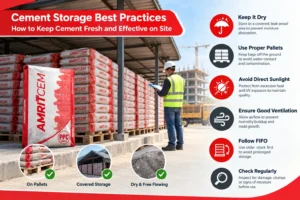
Buying too much and you’re stuck with a whole load of material just taking up space – and in a humid climate like ours, even cement starts going off. But buying too little and you’re looking at delays, and probably having to buy it all again at a higher price to boot. And then there’s the small matter of storage – if you leave cement just sitting around, it’ll go off. Steel just rusts away in the open air. Both of them turn into pure waste if you don’t look after them properly. Sloppy estimation and sloppy storage – it’s a small bleed here and there, but it adds up.
How to Build Without Blowing Your Budget
The good news is that all those mistakes can be sorted out, and it doesn’t take rocket science.
First off, get real with your budget – add a safety net. Jot down every single cost you can think of – structure, finishes, fittings, fees… the whole shebang. And then add 10 to 15 percent extra, just for when things go awry. A budget without a backstop is just a pipe dream.
Count the whole house from the start, not just the shell. Don’t wait till you’ve built the basic structure before switching to finishes – that’s where most of your money is going to end up.
Spend sensibly, not like you’re on a tight budget. Chuck your money into a strong foundation – good quality cement and steel are priceless – and then look for ways to scrimp on the less essential stuff like tile or paint.
Pay for a decent design – it’s worth the investment. A structural engineer’s fee is a drop in the ocean compared to what it can save you in materials and potential disaster costs.
Get the design sorted out first, then start building. Get everything nailed down on paper, live with the plan for a while, make any changes you need, and only then break ground.
Make sure you estimate costs properly and store materials right. Measure out your materials accurately, buy them in sensible quantities and store cement and steel in a way that stops them from going off before you even use them.
Keep track of every single rupee. Keep a simple record of what you’re spending as you go. If you don’t keep an eye on it, you’ve no chance of getting a grip on it.
A Realistic Look at the Numbers
Imagine a family budgets to build their very first home – carefully counting every bit of the structure, but conveniently leaving out a proper estimate for all the finishing touches and probably not setting aside a dime for any unexpected expenses.
Construction starts off smoothly enough. Then – and its a big one – steel prices go through the roof mid-project. With no safety net to fall back on, it feels like getting whacked. Midway through the build, they make the ill-fated decision to toss in an extra-large bedroom – which meant they had to break down and rebuild an entire wall: all that extra material, labour and time wasted. And to top it all off, finishing up ends up costing a whole lot more than they ever could have anticipated – mainly because they never really had a clue about how much it might set them back. So they either stretch their budget way past its breaking point or leave the top floor as a half-finished disaster, a reminder of “someday we’ll get back to it.”
Now let’s see the same family but with a bit of know-how. They put together a budget that includes the whole shebang right from the start – finishing touches included. They put away 10-15% just in case and actually finalise the design of the place before they start tearing up the yard. They then concentrate on getting the best value for their money on all the finishes. Even when steel prices shoot up steel prices still go up – but they got that bit sorted with their contingency fund. No last minute changes, no re-doing work that was already done. They wrap up the whole project bang on time, within budget and with a house that they can actually move into.
Conclusion
For most people a first home is the biggest thing they ever try to build, and it doesn’t have to end as a half-finished disaster zone or a budget-busting nightmare. Avoid the common budget blunders – start with a full budget and a bit of a cushion, count the whole house and all the expenses that come with it, put your money into the structure, lock your design, figure out your finishing costs ahead of time and make sure you store all your materials properly – and you’re in control from the footings all the way up to the roof.
And remember where not to cut: the structure. Strong cement and steel are the bones of your home, not the place to chase the lowest price.
At Amrit Cement, we build cement made to give your home real strength from roof to foundation — the part of your budget that’s worth protecting. To find your nearest dealer and plan your build the smart way, visit – amritcement.com
Plan it right. Spend it smart. Build it once.
Frequently Asked Questions
What’s the single biggest cost blunder first time home builders make?
The most common one is starting out without a solid budget and some kind of emergency fund in place. When an unexpected expense comes up – and they always do – you’re left scrambling with no safety net, so you either have to stop work or try to cut corners. Keeping aside 10-15% for those little surprises prevents most of the budget disasters that follow.
How big a chunk of the total house cost goes to all the finishing touches?
The finishing work (flooring, tiles, paint, fixtures, kitchen and bathroom) usually ends up consuming around a third to nearly half of the total project budget.
Is it a good idea to just go for the cheapest possible cement and steel to save a buck?
No way, you shouldn’t skimp on that kind of stuff. Materials are the bulk of the construction cost, and cement and steel form the foundation of your house – literally. Cheap, sub-standard material in these areas can lead to all sorts of problems down the line – cracks, dampness, costly repairs later on.
How much should you set aside for a contingency fund?
A safe bet is to put aside 10-15% of your total budget. That covers all the little things that go wrong – price hikes, design tweaks, the odd extra material you didn’t budget for. It’s the single most useful habit to stay on top of your spending and avoid those nasty surprises.
Why’s it so pricey when you change the design during construction?
The simple truth is that once the work’s started, making changes just means undoing everything thats already been done – ripping it all out, re-doing it and wasting more materials and time. It’s super cheap to tinker with the plans on paper but it costs an arm and a leg in concrete. You really should finalise the design before you break ground so you don’t have to worry about the costs of changes later on.