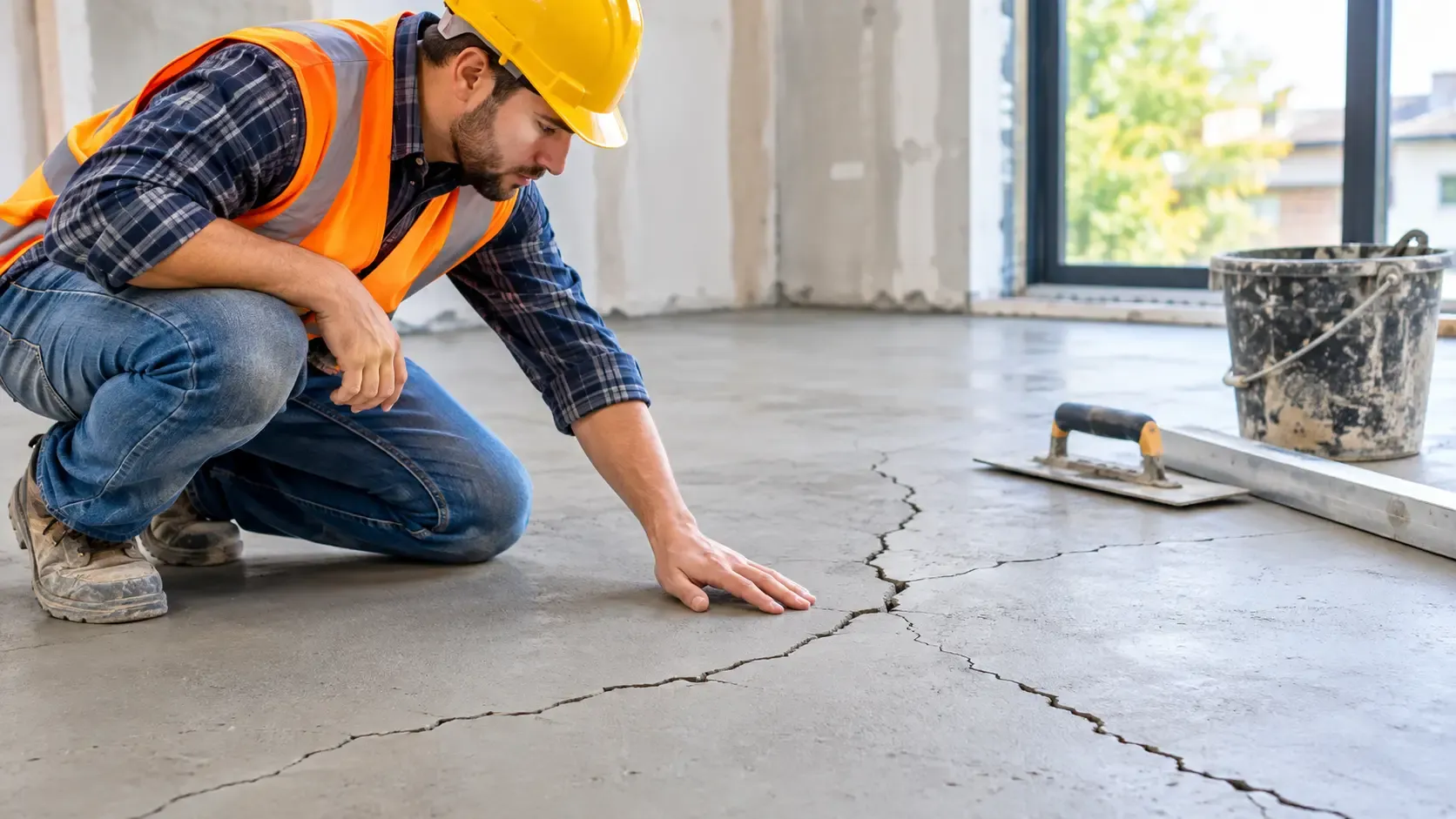
Why Do Floor Screeds Crack and How Can Builders Prevent Them?
A floor screed is supposed to create a level base for tiles, stone or another finish. Yet cracks sometimes appear before the tiles are even laid. In other homes, the finished floor sounds hollow or develops uneven lines months later.
The screed may be a thin layer, but poor workmanship here can affect the entire floor finish. Understanding floor screed cracking causes helps builders avoid repairing tiles that were never the real problem.
The starting point is to identify what kind of screed the project uses and how it is meant to work.
What is a floor screed?
A screed is a cement-based or proprietary levelling layer placed over a floor base. It helps achieve the required level, slope or surface suitable for the chosen finish.
A bonded screed is attached to the concrete base. An unbonded screed is separated from the base by a layer such as a membrane. A floating screed sits over insulation or another compressible layer.
These systems do not behave in exactly the same way. Their thickness, joint details, curing and preparation requirements differ. Using one method on every floor can create trouble, even when the materials appear similar.
Cause one: too much water in the mix
A very wet screed feels easy to spread, and workers may like how quickly it levels. But unnecessary water can lead to more drying shrinkage, lower surface strength and a greater risk of cracking.
Use the specified proportions and consistency. Do not change the mix simply to make it flow more easily. If a proprietary screed is being used, follow its manufacturer’s instructions.
For site-mixed cement-sand screeds, sand grading and moisture also matter. Wet sand during the monsoon can change how much additional water the mix actually needs.
Cause two: the screed dries too quickly
A freshly placed screed can lose moisture rapidly in direct sun, strong wind or hot weather. If the surface dries much faster than the rest of the layer, shrinkage stresses may develop.
Protect the fresh surface as required and follow the specified curing method. Keep direct wind and harsh sunlight off the area where possible. Do not start drying the screed aggressively simply because tile work has been scheduled.
Curing and drying are different stages. Curing supports cement hydration. Drying reduces moisture before certain finishes or adhesives are installed. Both need suitable time and conditions.
Cause three: the base was not prepared properly
A bonded screed needs a clean, sound base and the preparation specified for the chosen system. Dust, oil, loose material or an unsuitable surface condition can reduce bond.
If the screed separates from the base, movement and cracking may follow. Hollow sounds under tapping can sometimes indicate poor bond, although testing and inspection are needed to confirm the problem.
Before placing a bonded screed, clean the base and follow the approved bonding method. Do not assume that spreading mortar over an unclean slab will produce a lasting connection.
Cause four: wrong thickness or poor support
A screed that is too thin for its application may not perform as intended. A floating screed over a compressible layer has different requirements from a bonded screed over sound concrete.
If the base bends or moves more than the screed can tolerate, cracks may form even when the surface workmanship looks good. Structural movement cannot be corrected by simply adding a richer cement mix.
Thickness, reinforcement where required, substrate condition and loading should all follow the project specification and the screed system’s requirements.
Cause five: missing movement joints
Floors change slightly with moisture, temperature and loading. Cracks may form where movement is restrained by walls, columns or changes in room shape.
Joints are not a sign of poor construction. Properly planned movement and isolation joints help the floor accommodate expected movement. They should be located and detailed according to the design, and carried through the finish where required.
A screed laid continuously over a large, irregular area without suitable joints may develop cracks at locations chosen by stress rather than by the builder.
Cause six: tiles were installed too soon
The surface may look dry while moisture remains inside the screed. Laying moisture-sensitive finishes or using incompatible adhesives too early can lead to problems.
Cement-based screeds need the specified curing and drying conditions. The acceptable moisture condition depends on the finish and adhesive system. Do not rely only on the number of days since laying.
Before tiling, inspect cracking, check levels and confirm the base is suitable for the chosen tile adhesive or bedding method. A tile can hide a crack for a while, but it does not repair it.
How builders should respond when cracks appear
First, map the cracks. Are they narrow surface lines or wide openings? Do they follow joints, walls or doorways? Is the screed hollow, loose or moving under load?
Do not immediately fill every crack with cement slurry. The right repair depends on why it formed and whether movement is still occurring.
A competent professional should assess widespread, widening or movement-related cracks. Some defects may need local repair; others may require sections to be removed and replaced. If the structural base itself is cracked, that issue must be assessed separately.
A practical floor screed routine
Before work, confirm the screed type, thickness, base condition, materials and joint layout. Clean the substrate and prepare it as specified.
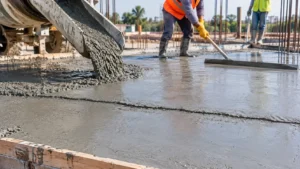
During laying, measure ingredients consistently, control water and compact or finish the screed by the appropriate method. Maintain required slopes in wet areas instead of trying to correct them later with adhesive.
After laying, provide the recommended curing and protection. Keep unnecessary traffic and heavy material stacks off the young screed. Check its suitability and moisture condition before the next floor finish begins.
This routine is less dramatic than repairing a damaged floor. That is exactly why it is worth following.
Why floors in Northeast homes need careful planning
Humidity can slow drying. Monsoon showers can wet materials and change sand moisture. Bathrooms, kitchens and balconies also experience regular water exposure after the house is occupied.
Provide suitable slopes and waterproofing in wet areas. Do not treat the screed itself as the only waterproof barrier. Follow the specification for adhesives, joints and finish materials, especially where a floor meets a wall or drain.
The floor should be built for its actual use, not just for the photograph taken after tiling.
Where Amrit Cement fits in
Amrit Cement offers OPC and PPC for different construction needs. AmritCem PPC may be considered for suitable cement-based screed or mortar applications where the project specification allows it.
But cement cannot correct an unstable base, missing movement joints or excessive mixing water. Through Amrit Support, the company lists raw-material guidance and technical demonstrations that can help teams improve basic mixing and application practices. Confirm the right screed system with the project professional before starting work.
FAQs
Are all screed cracks structural?
No. Some are related to shrinkage or bonding. Widening cracks or signs of movement need professional assessment, especially if the slab below is also affected.
Can more cement prevent screed cracking?
Not necessarily. An overly rich or poorly controlled mix can still shrink and crack. Correct proportions, joints, preparation and curing matter.
Can tiles be laid over a cracked screed?
Only after the cause and condition are assessed. Installing tiles directly over active or serious cracks can transfer problems into the finish.
Does humid weather mean the screed needs no curing?
No. Humidity affects drying, but the specified curing method and protection are still needed.
Is AmritCem PPC suitable for floor screeds?
It can be considered where PPC meets the screed specification. The base, mix proportions, curing and joint layout remain equally important.