In mining, safety is the first responsibility. Every shift brings together heavy machinery, drilling, controlled blasting, haulage and people working close to all of them. The work is demanding and the environment keeps changing, so a single lapse in attention can have serious consequences.
That is why the mining industry in India sets aside a dedicated period every year to focus entirely on safety. Mine Safety Week gives mines a chance to review their practices, recognise what is working, fix what isn’t and remind every worker that safety depends on them.
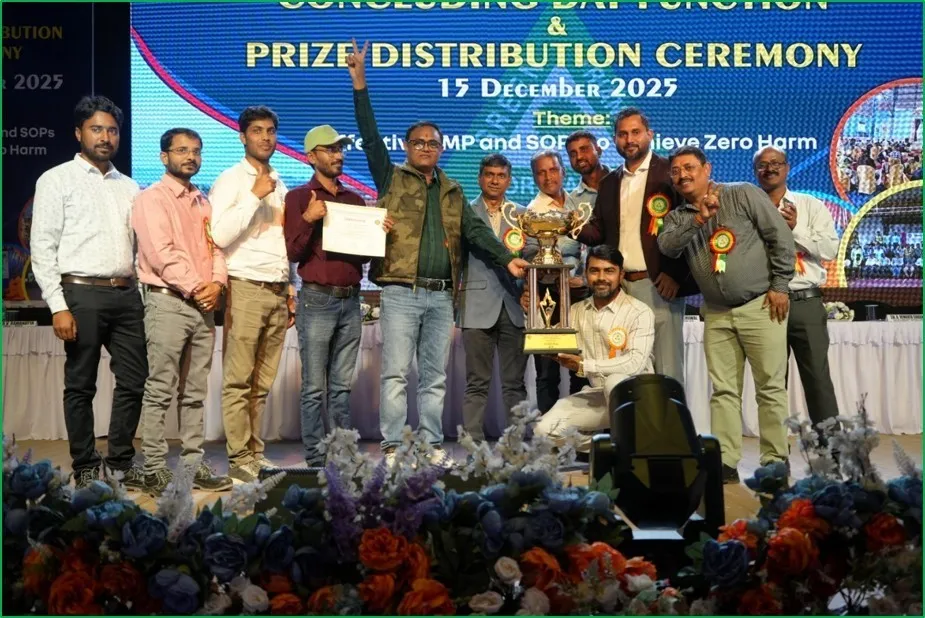
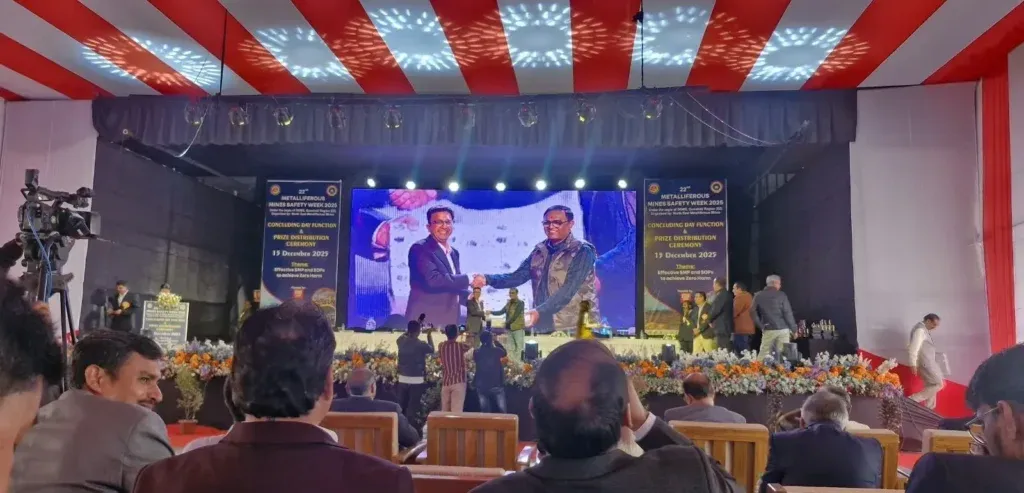
At the North East Metalliferous Mines Safety Week (NEMMSW-2025), held under the aegis of the Directorate General of Mines Safety (DGMS), Amrit Cement’s Mulieh Umlong Limestone Mine (MULM) in Meghalaya secured the Overall 3rd Prize in Category 2.
The award recognises the safety practices, awareness and discipline that MULM’s teams show every day, throughout the year.
What Is Mine Safety Week?
Mine Safety Week is an annual campaign conducted under DGMS, the national authority responsible for the safety, health and welfare of people working in India’s mines. It has been part of the Indian mining calendar for decades, and its purpose has stayed the same: to put safety at the centre of every mine’s attention and to encourage continuous improvement.
Separate Mine Safety Week campaigns are held for different regions and types of mines. The North East Metalliferous Mines Safety Week covers metalliferous, or non-coal, mines across Northeast India, including limestone mines like MULM.
During the campaign, participating mines typically take part in:
* Inspections and assessments. Teams visit mines to review working conditions, equipment, documentation, safety systems and on-ground practices.
* Awareness activities. Safety talks, demonstrations, rallies, and poster, slogan and quiz competitions keep safety at the front of everyone’s mind.
* Training and drills. Sessions cover first aid, emergency response, firefighting and safe operating procedures.
* Knowledge sharing. Mines exchange best practices and learn from one another.
* A concluding function. Mines are recognised for their performance, and the best practices of the year are celebrated.
Mines are grouped into categories, often by size and type of operation, so that comparable mines are assessed against each other. Because the awards come from independent assessment against other mines in the region, they are a credible external measure of how seriously a mine takes safety.
Why Safety Matters So Much in Limestone Mining
MULM is an opencast limestone mine. Opencast mining brings its own set of risks, and each one needs a specific control:
* Slope and bench stability. Loose rock or poorly designed benches can lead to slides and falls.
*Blasting operations. Explosives must be handled, stored and used under strict controls.
*Heavy vehicle movement. Dumpers, excavators and loaders work in tight spaces alongside people on foot.
*Dust and noise. Long-term exposure can affect workers’ health if it isn’t managed.
*Working at heights and near edges. Benches and pit edges need proper barriers and clear markings.
*Electrical and mechanical hazards from crushers, conveyors and workshops.
Mining in Meghalaya adds further challenges. The state receives some of the heaviest rainfall in the world, which affects slope stability, haul road conditions and visibility. The hilly terrain also shapes how roads, benches and drainage are planned. Operating safely here requires careful planning and constant vigilance through every season.
The Safety Practices Behind the Award
Winning at Mine Safety Week depends on what a mine does all year, not only during the week itself. At MULM, safety rests on the following practices.
1. Standard Operating Procedures
Every task in a mine has a defined safe way of doing it, whether it is drilling, blasting, loading, hauling, maintenance or electrical work. At MULM, standard operating procedures are written, explained to workers and followed on the ground. Shortcuts may save a few minutes, but they create risks that no mine can afford.
2. Hazard Identification and Risk Assessment
Most incidents give warning signs first: a crack in a bench, a worn brake or an unsafe habit that has become routine. MULM identifies hazards systematically and assesses the risks involved in each activity. Teams are encouraged to report hazards and near-misses without hesitation, so problems can be fixed before they lead to accidents.
3. Blasting Safety
Controlled blasting is one of the most sensitive activities in limestone mining. Safe blasting depends on:
- * Trained and authorised personnel
- * Secure storage and handling of explosives
- * Clear warning signals
- * Proper clearance of the danger zone
- * Careful checks after every blast
Every blast follows a defined protocol, with no exceptions.
4. Slope and Bench Stability
Stable benches and slopes are basic to opencast safety. Scientific mine planning, regular inspection of benches and faces, and proper drainage are especially important during the monsoon, when heavy rain can weaken slopes.
5. Machinery and Traffic Safety
Heavy earth-moving machinery is essential to mining and also one of its biggest sources of risk. At MULM, vehicle and machinery safety depends on:
- * Regular preventive maintenance
- * Pre-shift checks by operators
- * Trained and licensed drivers
- * Well-maintained haul roads with safety berms
- * Clear traffic rules, speed limits and signage
- * Keeping pedestrians and vehicles separated wherever possible
6. Personal Protective Equipment
Helmets, safety shoes, reflective jackets, gloves, goggles, dust masks and ear protection are the last line of defence against injury. Consistent use of the right PPE in all operational areas is a basic expectation for everyone on site, including employees, contract workers and visitors.
7. Emergency Preparedness
When something goes wrong, the first few minutes matter most. Regular mock drills, trained first-aid responders, well-stocked first-aid stations, firefighting equipment and clear emergency procedures make sure everyone knows exactly what to do.
8. Safety Communication
Toolbox talks at the start of shifts, safety signage around the site, communication in languages workers understand and open conversation between supervisors and teams all keep safety visible every day.
Caring for Workers’ Health
Safety also includes the long-term health of the people who work in the mine, not only the prevention of accidents. Occupational health is an important part of how Mine Safety Week assesses a mine.
At MULM, this includes:
- * Periodic medical examinations for workers
- * Dust suppression through water sprinkling on haul roads and work areas
- * Hearing protection in high-noise zones
- * Adequate drinking water, rest shelters and sanitation facilities
- * Health awareness among workers
Safety for Every Worker, Including Contract Workers
A mine’s workforce includes its own employees and contract workers, who often do some of the most physically demanding jobs. A strong safety culture has to include every person on site, without exception.
At MULM, contract workers receive the same safety induction, PPE requirements, training and supervision as permanent employees. Everyone who enters the mine is expected to follow the same rules, and everyone deserves the same protection.
Preparing for the Monsoon
In Meghalaya, the monsoon is one of the biggest factors in mine safety. MULM’s monsoon preparedness includes:
- * Inspecting and strengthening benches and slopes before and during the rains
- * Clearing and maintaining drainage channels
- * Maintaining haul roads to prevent slippery or damaged surfaces
- * Adjusting operations during heavy rainfall and low visibility
- * Keeping extra vigilance around water accumulation in the pit
Leadership Sets the Tone
A strong safety culture starts at the top. When managers and supervisors visit the site regularly, follow the same rules they expect from others and treat safety as a priority rather than paperwork, the whole workforce follows their lead.
At MULM, the mine management takes an active role in safety: reviewing performance, leading safety meetings, addressing concerns raised by workers and making sure safety is never traded for production.
Safety Is Everyone’s Responsibility
Safety systems work only when people use them. Supervisors and safety officers cannot watch every corner of a mine at every moment. A safe workplace is built by each individual choosing to work safely and to look out for the people around them.
That is the culture MULM works to build, where:
- * An operator completes the pre-shift check even when running late
- * A worker stops and reports something that doesn’t look right
- * A supervisor halts work when conditions are unsafe
- * A colleague reminds another to wear their helmet
- * A new worker feels comfortable asking how to do a task safely
Beyond Safety: Recognition at MEMCW 2025–26
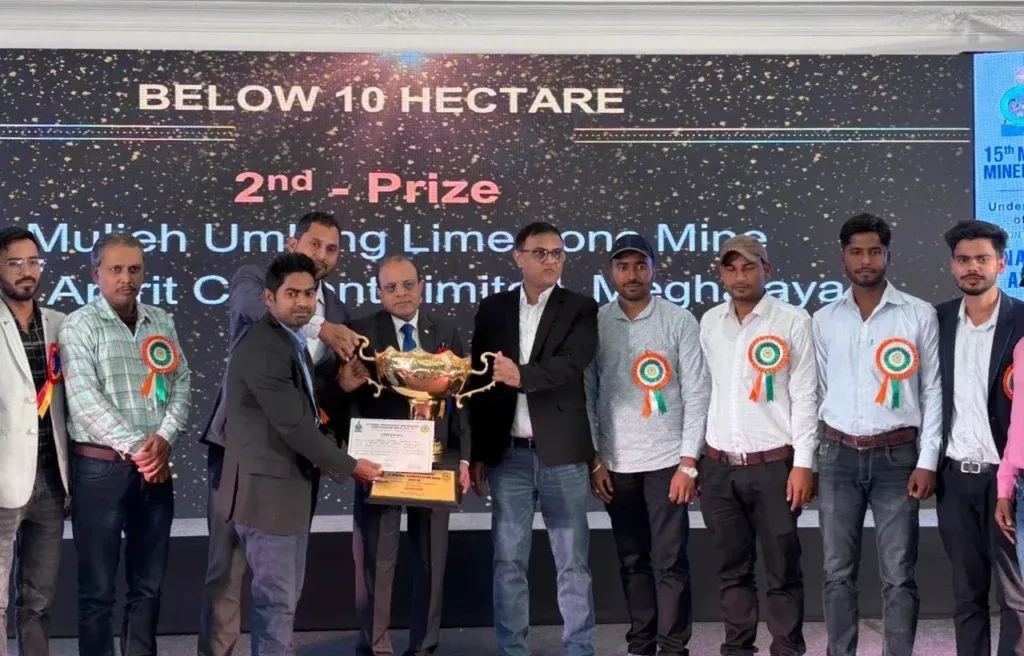
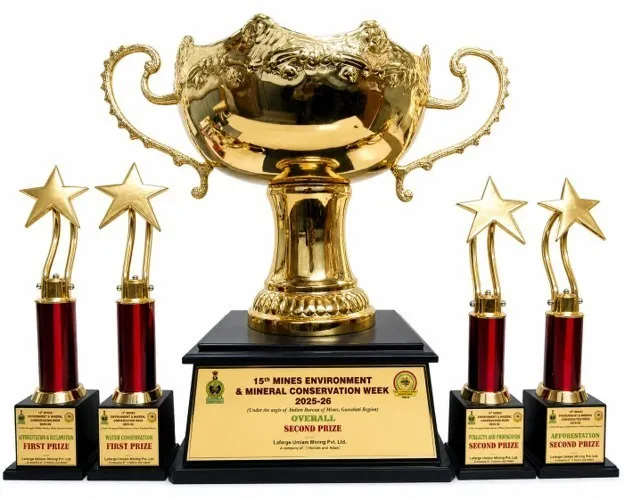
MULM’s commitment to responsible mining was also recognised this year at the Mines Environment & Mineral Conservation Week (MEMCW 2025–26), held under the aegis of the Indian Bureau of Mines (IBM). The mine won:
- Overall 2nd Prize – MEMCW 2025–26
- 1st Prize – Systematic and Scientific Mining
- 1st Prize – Khan Swachhta and Sanskriti
- 2nd Prize – Afforestation
- 2nd Prize – Publicity and Propaganda
Several of these awards are closely linked to safety. Scientific mining means stable benches, planned extraction and safer working faces. Cleanliness and orderliness mean clear walkways, organised work areas and fewer hazards. Safety and responsible mining support each other.
Why Mine Safety Matters to Our Customers
For the homebuilders, masons, dealers and engineers who trust AmritCem, this award is also a sign of how we work. Limestone from MULM is the starting point for our cement. A company that looks after the people at its mine brings the same discipline and care to every stage of production, from roof to foundation.
Safety Beyond the Week
Mine Safety Week lasts only a few days each year, but the practices it promotes have to continue through every other working day. For MULM, the award is a reason to raise the bar further. In the coming year, the focus will be on:
- * Strengthening safety training for all employees and contract workers
- * Improving hazard and near-miss reporting, and closing reported issues faster
- * Keeping emergency preparedness sharp through regular drills
- * Improving occupational health monitoring
- * Acting on the recommendations of the NEMMSW inspection team
- * Building a workplace where everyone goes home safe, every day
We congratulate the entire MULM team on this achievement. We also thank DGMS, the organisers of NEMMSW-2025 and the inspection teams for their continued work in raising safety standards across the region’s mines.
Safety First. Always.
Frequently Asked Questions
What is Mine Safety Week?
Mine Safety Week is an annual campaign conducted under the Directorate General of Mines Safety (DGMS) to promote safety awareness and practices in mines. It includes inspections, awareness activities, training, drills and an awards function.
What is NEMMSW?
NEMMSW stands for North East Metalliferous Mines Safety Week. It is the Mine Safety Week campaign for metalliferous (non-coal) mines in Northeast India.
What award did MULM win at NEMMSW-2025?
The Mulieh Umlong Limestone Mine won the Overall 3rd Prize in Category 2 at NEMMSW-2025.
Who organises Mine Safety Week?
Mine Safety Week is conducted under the aegis of the Directorate General of Mines Safety (DGMS), with participation from mining companies in each region.
What are the main safety risks in limestone mining?
The main risks in opencast limestone mining include slope and bench failure, blasting hazards, heavy vehicle movement, dust and noise exposure, working near edges, and electrical and mechanical hazards.
How does the monsoon affect mine safety in Meghalaya?
Heavy rainfall can weaken slopes, damage haul roads, reduce visibility and cause water to collect in the pit. This makes monsoon preparedness an essential part of mine safety.
Where is MULM located?
The Mulieh Umlong Limestone Mine is in Meghalaya and is operated by Amrit Cement Limited.+