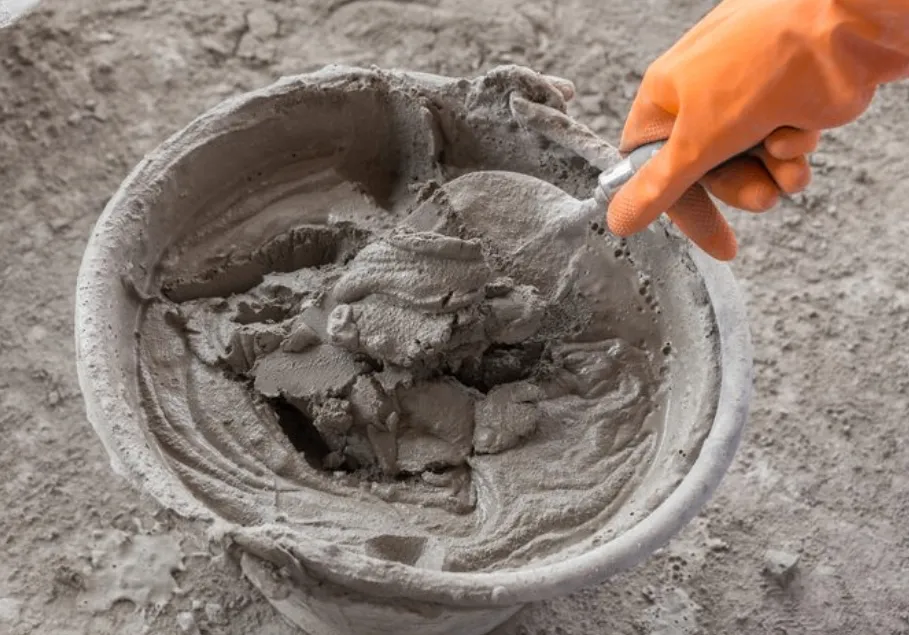
As climate concerns grow, builders and homeowners are now looking for smarter and more sustainable construction materials. This is where ppc cement has become one of the most preferred choices for modern eco-friendly construction. Compared to traditional cement, PPC offers:
- lower environmental impact
- better long-term durability
- reduced heat generation
- improved resistance against moisture and cracks
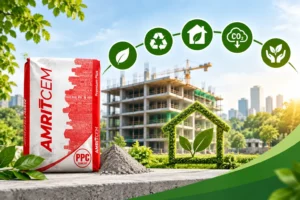
That’s why ppc cement is increasingly becoming an important part of sustainable and green building materials used in modern construction projects.
But what exactly makes PPC cement eco-friendly? And why are more builders choosing it over OPC?
Let’s understand everything properly.
What is PPC cement?
PPC cement is Portland Pozzolana Cement. It is manufactured by combining OPC clinker with pozzolanic materials like fly ash.
Fly ash comes from industrial waste as it is generated from thermal power plants. Instead of allowing this material to become industrial waste, it is reused in cement manufacturing, which makes PPC a more sustainable construction material.
This is one of the biggest reasons why PPC is considered an eco friendly cement option.
Why sustainability matters in construction
Well, the construction industry significantly contributes to global carbon emissions and this is why it is very important that we focus on measures that can reduce carbon emission. Cement manufacturing alone accounts for a major portion of industrial CO₂ emissions because clinker production requires extremely high temperatures. And the traditional OPC cement relies heavily on clinker production, which:
- consumes large amounts of energy
- increases fuel usage
- releases more carbon dioxide
This is why builders are now shifting towards green building materials that reduce environmental impact without compromising construction quality.
How PPC cement reduces environmental impact
One of the biggest environmental advantages of ppc cement is reduced clinker usage. And that alone reduces the carbon emission to a significant level.
Since PPC contains fly ash and other pozzolanic materials, the clinker requirement becomes lower compared to OPC cement. Lower clinker production directly helps reduce:
- carbon emissions
- fuel consumption
- raw material usage
This makes PPC a more sustainable and eco friendly cement solution for modern construction projects.
PPC vs OPC environment: Which one is greener?
The comparison of PPC vs OPC environment impact is becoming increasingly important in sustainable construction.
Here’s a simple comparison:
| Environmental Factor | OPC Cement | PPC Cement |
| Clinker Usage | Higher | Lower |
| Carbon Emissions | Higher | Lower |
| Heat Generation | Higher | Lower |
| Fly Ash Utilisation | No | Yes |
| Energy Consumption | Higher | Lower |
| Long-Term Durability | Moderate | Better |
| Environmental Impact | Higher | More sustainable |
This is why ppc cement is widely considered the more environmentally responsible option.
Lower heat generation means better durability
One major technical advantage of ppc cement is lower heat generation during hydration. Excessive heat in concrete can lead to:
- thermal cracks
- shrinkage
- structural stress
PPC generates less heat compared to OPC, which improves:
- crack resistance
- structural stability
- long-term durability
This becomes especially important in:
- hot climate regions
- large concrete structures
- residential construction
Lower repair requirements also indirectly reduce long-term environmental impact.
PPC cement supports green building construction
Modern sustainable construction focuses on:
- energy efficiency
- long building life
- reduced maintenance
- environmentally responsible materials
Because of its durability and lower carbon footprint, ppc cement is widely used in projects focused on:
- sustainable housing
- eco-conscious infrastructure
- green commercial buildings
Many modern green building materials are selected based on lifecycle performance rather than only initial strength. PPC fits perfectly into this approach because it:
- lasts longer
- reduces cracking
- improves moisture resistance
- reduces repair frequency
Better moisture and chemical resistance
Another important environmental advantage of ppc cement is its improved resistance against:
- moisture
- sulphates
- chlorides
- chemical exposure
This makes PPC especially suitable for:
- coastal areas
- humid climates
- water-retaining structures
- foundations
Structures built with PPC often require less maintenance and fewer repairs over time, which helps reduce future material consumption.
Fly ash usage makes PPC more sustainable
One of the strongest reasons PPC is considered an eco friendly cement is because it reuses industrial waste material. Fly ash from thermal power plants would otherwise become landfill waste. By incorporating fly ash into cement manufacturing, PPC:
- reduces industrial waste
- conserves natural resources
- lowers environmental pollution
This makes ppc cement much more aligned with sustainable construction goals.
Is PPC cement strong enough for construction?
Yes, absolutely. Many people assume eco-friendly materials compromise strength, but that is not true for PPC. While PPC gains strength more gradually compared to OPC, its long-term durability is often better. It performs extremely well in:
- residential homes
- masonry work
- plastering
- foundations
- water-exposed structures
This balance of strength and sustainability is what makes PPC one of the most practical green building materials available today.
Why builders prefer PPC for residential projects
Many builders now prefer ppc cement for residential construction because it offers:
- smoother workability
- better finishing
- reduced crack formation
- improved long-term performance
For homeowners, this often means:
- fewer repairs
- better durability
- improved moisture protection
- lower maintenance costs
This is one reason why PPC continues to gain popularity in sustainable home construction projects.
Future of eco-friendly cement in India
As construction practices evolve, the demand for low-carbon and sustainable cement solutions is expected to increase rapidly. The future of construction will focus more on:
- lower emissions
- recycled materials
- sustainable production
- energy-efficient buildings
And because of its environmental advantages, ppc cement is likely to remain one of the most important green building materials in modern Indian construction.
Final thoughts
The comparison of PPC vs OPC environment impact clearly shows why PPC is becoming the preferred choice for sustainable construction. With:
- lower carbon emissions
- fly ash utilisation
- better durability
- reduced heat generation
- improved crack resistance
ppc cement offers both environmental and structural benefits. For builders and homeowners looking for an eco friendly cement solution, PPC delivers the right balance of:
- strength
- sustainability
- durability
- long-term performance
Because modern construction is no longer only about building stronger structures, it is also about building smarter and more responsibly for the future.