A good cement brand sold by the wrong dealer can create just as many problems as buying poor-quality cement.
So, how do you identify a reliable cement dealer who can consistently supply fresh, genuine, and properly stored cement?
To identify the reliable dealer, you need to understand the practical realities that actually matter when searching for “cement dealers near me”. Let’s look at some.
The Real Question Is Not Where the Dealer Is
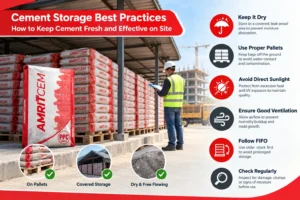
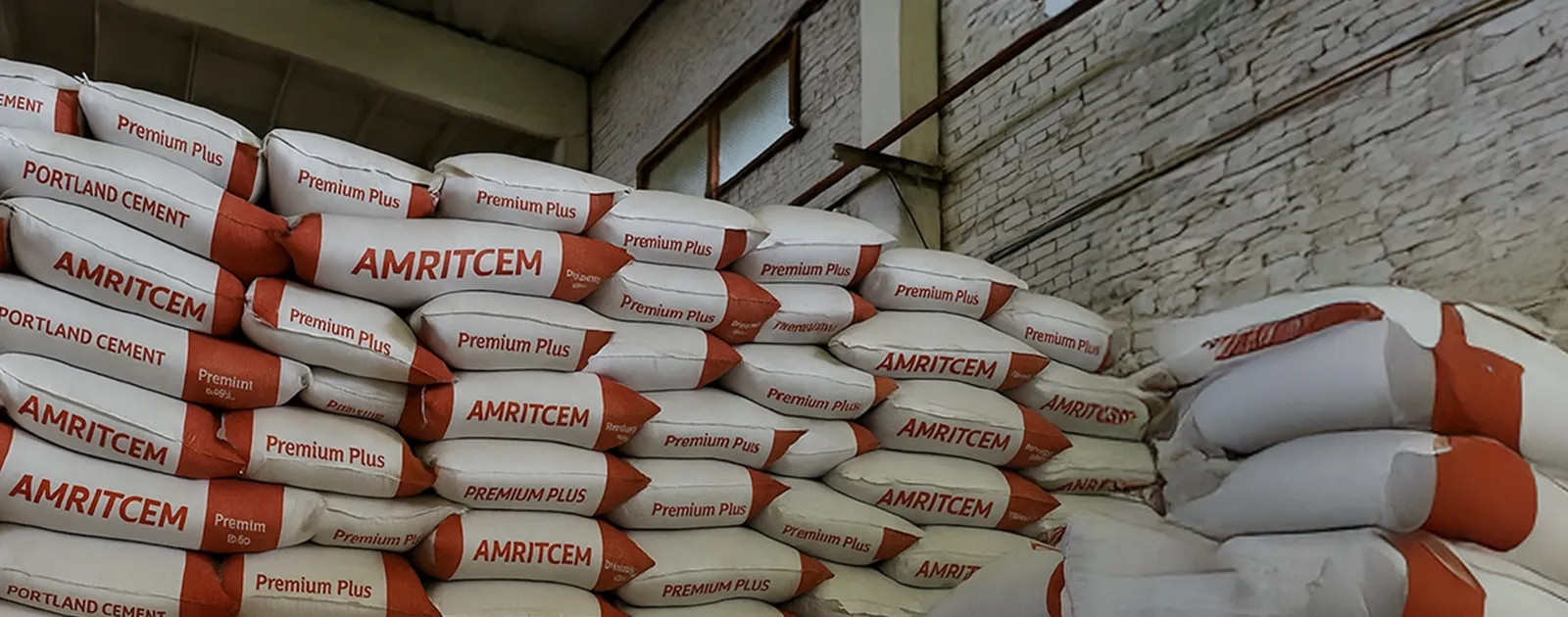
It’s How the Dealer Handles Cement. Or more accurately how he stores the cement. Many people choose the nearest dealer simply because transportation becomes easier. We understand that location matters. But not more than storage practices. Even high-quality cement can lose performance if it is stored improperly. A reliable dealer should maintain:
- Dry storage conditions
- Proper stacking practices
- Covered warehouse facilities
- Controlled inventory rotation
- Protection from moisture exposure
Evaluating how dealer store cement bags is a crucial step in identifying the reliable dealer. The reason behind it is that the cement quality begins deteriorating long before it reaches your construction site. So, maintaining storage according to the ideal practices is very important.
Fresh Cement Matters More Than The Brand Name
Most buyers check the brand. Few check the manufacturing date. Cement is not a product that improves with age. The longer it remains in storage, the greater the risk of moisture absorption and strength reduction. Before purchasing cement, always verify:
- Manufacturing date
- Batch details
- Packaging condition
- Storage environment
A reliable dealer will never hesitate to show this information. If a dealer avoids these questions, consider it a warning sign. Reliability compromised here.
Why Dealer Turnover Tells You a Lot
One of the simplest ways to evaluate a dealer is to observe how frequently stock moves. High inventory turnover generally indicates:
- Consistent customer demand
- Fresh stock availability
- Better supply chain management
- Lower storage duration
Low turnover can sometimes mean (not always) cement bags remain in storage for extended periods. For homeowners, fresher cement typically means more predictable performance on site.
This is one reason experienced contractors often prefer working with dealers who maintain regular stock movement.
The Moisture Problem Most Buyers Never See
Cement’s biggest enemy is moisture. Unfortunately, moisture damage is not always visible from outside the bag. A cement bag may appear perfectly fine and normal from outside while the material inside has already begun absorbing moisture. This can affect:
- Strength development
- Setting time
- Workability
- Long-term performance
To dela with this situation, when visiting a dealer, pay attention to:
- Warehouse ventilation
- Floor protection systems
- Distance between cement stacks and walls
- Signs of water leakage
- General storage cleanliness
Reliable cement suppliers understand that storage conditions directly influence product quality.
Price Should Not Be the First Filter
We all begin our search for any product we use by comparing prices on many sites, similarly many homeowners begin their search by comparing dealer prices. This is understandable. We understand that construction budgets matter.
But selecting a dealer solely based on the lowest price is not a great idea and it often creates hidden risks. The difference of a few rupees per bag can harm you with expensive repetitive maintenance in future. The consequences of poor-quality or improperly stored cement are bigger than you think.
Instead of asking:
“Who is selling the cheapest cement?”
Ask:
“Who is supplying the most reliable cement?”
The answer often delivers better long-term value.
Delivery Reliability Is Part of Cement Quality
Construction delays rarely happen because cement is unavailable. They happen because cement arrives late. A reliable dealer should be able to:
- Maintain stock availability
- Deliver on schedule
- Support bulk orders
- Handle urgent requirements
- Coordinate transportation efficiently
For residential construction, delayed cement supply can affect:
- Labour scheduling
- Concrete pouring plans
- Construction timelines
- Project costs
The best reliable dealer is the one who is a dependable supply partner. Only selling cement is not enough, delivering it one time is equally important, and a right dealer knows this fact very well.
How Reliable Cement Suppliers Handle Large Orders
Small purchases can be handled by many small and mid, but the real test comes during large-volume orders. When evaluating cement suppliers, ask:
- Can they supply continuous quantities?
- Do they have direct company support?
- How quickly can they replenish stock?
- Can they handle peak construction season demand?
Large projects require consistency and a dealer who can supply 50 bags today but struggles to supply 500 bags tomorrow may create unnecessary project interruptions. Which means a reliable dealer for small projects may not be reliable for the bigger ones.
Why Authorised Dealers Matter
Counterfeit construction materials remain a concern across many markets. One way to reduce this risk is by purchasing from authorised dealers.
Authorised dealers generally offer:
- Genuine products
- Direct company support
- Traceable inventory
- Better complaint resolution
- Reliable product information
When investing in a home expected to last decades, authenticity should never be compromised.
The Relationship Between Cement Factory and Dealer Network
Many homeowners searching online also look for a cement factory near me.
The assumption is simple:
Closer factory means better cement. But proximity alone does not guarantee better service. What matters is the efficiency of the distribution network between the factory and the dealer. Strong manufacturer-dealer relationships often result in:
- Faster stock replenishment
- Fresher inventory
- Better technical support
- Consistent product availability
This is why a well-supported dealer network is often more valuable than simply being located near a manufacturing facility.
Technical Knowledge Separates Good Dealers from Great Dealers
Not every dealer understands cement beyond pricing. Experienced dealers often provide valuable guidance regarding:
- OPC vs PPC selection
- Grade suitability
- Application recommendations
- Storage practices
- Quantity estimation
A knowledgeable dealer can help homeowners avoid costly mistakes. The best dealers do not simply sell bags. They help customers make informed decisions.
Why Local Reputation Still Matters
Online reviews can be useful. But in construction, local reputation often tells a more complete story. Before choosing a dealer, speak with:
- Contractors
- Engineers
- Masons
- Builders
- Previous customers
Ask simple questions:
- Was the cement delivered on time?
- Was the stock fresh?
- Were quantity commitments honoured?
- Were issues resolved quickly?
Consistent positive feedback usually indicates reliable service.
The Kolkata Advantage: Why Distribution Strength Matters
When evaluating a cement company in Kolkata or any major distribution hub, one factor often stands out. Large distribution centres typically offer:
- Better inventory management
- Faster logistics
- Greater product availability
- Improved dealer support
For regions across Eastern and Northeast India, strong distribution infrastructure plays an important role in ensuring cement reaches construction sites in good condition. The quality of logistics can be just as important as the quality of manufacturing.
A Practical Dealer Evaluation Framework
Before finalising your purchase, ask yourself:
- Is the cement stock fresh?
- Are storage conditions appropriate?
- Is the dealer authorised?
- Can they deliver consistently?
- Do they understand cement applications?
- Is their local reputation strong?
- Can they support larger orders if required?
If most answers are positive, you are likely dealing with a reliable supplier.
Common Warning Signs to Watch For
Be cautious if a dealer:
- Cannot provide manufacturing details
- Stores cement in damp conditions
- Offers unusually low prices without explanation
- Has inconsistent stock availability
- Avoids technical questions
- Pushes products without understanding your requirements
These signs often indicate deeper supply or quality concerns.
Final Perspective
Finding reliable cement dealers near me is not simply about convenience. It is about protecting one of the most important investments of your life. Fresh stock, proper storage, reliable delivery, technical knowledge, and strong manufacturer support all influence the quality of cement that eventually reaches your home. The best dealer is not always the nearest. The best dealer is the one who consistently delivers genuine, properly stored, and reliable cement when your project needs it most. Because in construction, the quality of the final structure depends not only on the cement you choose—but also on the people who supply it.