
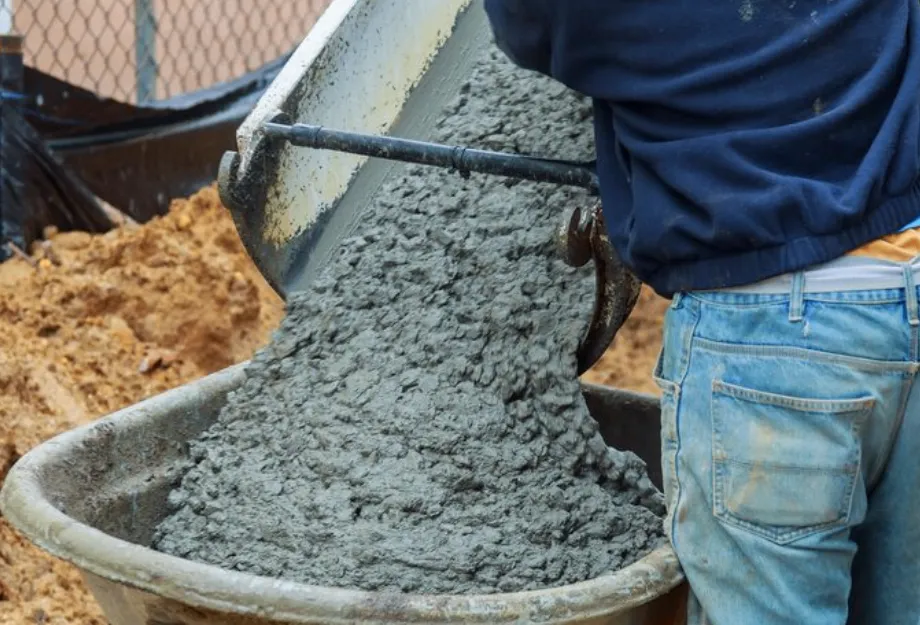
Many construction problems like cracks, weak concrete and poor durability often start with low-quality cement. That’s why understanding cement quality check methods is extremely important before starting any construction project.
Today, the market has many cement options, and people often search:
- which is the best cement in India
- how to test cement quality
- best cement for construction
But honestly, even the best cement brand can perform poorly if the cement is fake, expired or stored improperly.
So, how can you identify bad-quality cement before buying it? Let’s understand everything step by step.
Why cement quality matters in construction
Cement is the binding material that holds the entire structure together. Poor-quality cement can lead to:
- weak bonding
- surface cracks
- reduced load strength
- water leakage issues
- long-term structural damage
A proper cement quality check helps ensure that the structure remains strong, durable and safe for years.
Check the manufacturing date first
The first and most important thing to check is the manufacturing date printed on the cement bag.
Cement gradually loses strength over time. Experts usually recommend using cement within 3 months of manufacturing for best performance.
Avoid cement if:
- the bag is too old
- the manufacturing date is unclear
- the bag looks repacked or damaged
Fresh cement always gives better bonding and strength.
Look for ISI mark and proper packaging
One of the easiest ways to identify fake cement is by checking the packaging carefully.
A genuine cement bag should have:
- proper brand printing
- clear ISI mark
- manufacturing details
- batch number
- proper stitching and sealing
Low-quality or fake cement bags often have:
- blurry printing
- damaged stitching
- missing certification
- spelling mistakes on packaging
A proper cement quality check should always begin with packaging inspection.
Check for lumps inside the bag
Good cement should always be smooth and free-flowing.
If you feel hard lumps inside the bag, it usually means:
- moisture has entered
- the cement has partially reacted
- storage conditions were poor
Lumpy cement should never be used for construction because it loses binding strength.
Feel the texture of the cement
Another simple method for how to test cement quality is the hand feel test.
Take a small quantity of cement in your hand and rub it between your fingers.
Good-quality cement should feel:
- smooth
- fine
- soft like powder
If the cement feels:
- gritty
- coarse
- sandy
then it may contain impurities or poor-quality materials.
Check the colour of cement
The colour of cement also gives an idea about its quality.
Good cement usually has a:
- uniform grey colour
- slight greenish shade
If the cement looks:
- patchy
- yellowish
- uneven
it may indicate poor manufacturing quality or adulteration.
Perform the float test
The float test is a simple on-site method used in basic cement quality check procedures.
How to do it:
- take a small amount of cement
- drop it into a bucket of water
Good cement should float for a few seconds before sinking slowly.
If it sinks immediately, the cement quality may be poor.
Smell test also matters
Good cement should not have any unusual smell.
If the cement smells earthy or damp, it usually means moisture has entered the bag.
Moisture exposure reduces cement strength significantly.
Check bag weight carefully
Standard cement bags in India usually weigh 50kg.
Fake or substandard cement bags are sometimes underweight. Always verify:
- bag weight
- packaging quality
- dealer authenticity
Especially when purchasing in bulk quantities.
Buy only from authorised dealers
One of the safest ways to avoid fake cement is buying from trusted and authorised dealers.
Avoid:
- roadside suppliers
- damaged stock
- suspiciously low prices
- unknown local packaging
Many fake products imitate popular cement brands in India using similar packaging and colours.
Always ask for:
- GST bill
- dealer invoice
- batch details
while purchasing cement.
Which is the best cement in India?
Many homeowners ask, “Which is the best cement in India?” Honestly, the best cement is not only about brand popularity. It also depends on:
- freshness
- storage quality
- proper transportation
- genuine packaging
Some of the most trusted cement brands in India include:
- UltraTech Cement
- ACC Cement
- Ambuja Cement
- Dalmia Cement
- Shree Cement
- JK Cement
- Amrit Cement
Even the best cement for construction can perform poorly if it is fake or stored incorrectly.
Basic lab tests for cement quality
Apart from site-level checks, laboratories also perform advanced tests to evaluate cement quality. Some important lab tests include:
- fineness test
- setting time test
- soundness test
- compressive strength test
- chemical composition test
These tests help verify whether the cement meets industry standards. (UltraTech Cement)
Common signs of fake or poor-quality cement
Here are some major warning signs you should never ignore:
- lumps inside the bag
- damaged packaging
- missing ISI mark
- unusual colour
- gritty texture
- very cheap price
- old manufacturing date
- moisture smell
These signs often indicate poor or fake cement quality.
Tips to store cement properly
Even good-quality cement can become weak if stored incorrectly.
Proper storage tips:
- keep bags elevated above the floor
- protect from moisture
- store in dry areas
- avoid direct wall contact
- use older stock first
Proper storage is an important part of maintaining the best cement for construction performance.
Final thoughts
Understanding how to test cement quality before buying can help prevent serious construction problems later. A proper cement quality check helps ensure:
- stronger construction
- better durability
- improved safety
- long-term structural performance
Because in construction, even the strongest structure can become weak if the cement quality is compromised.