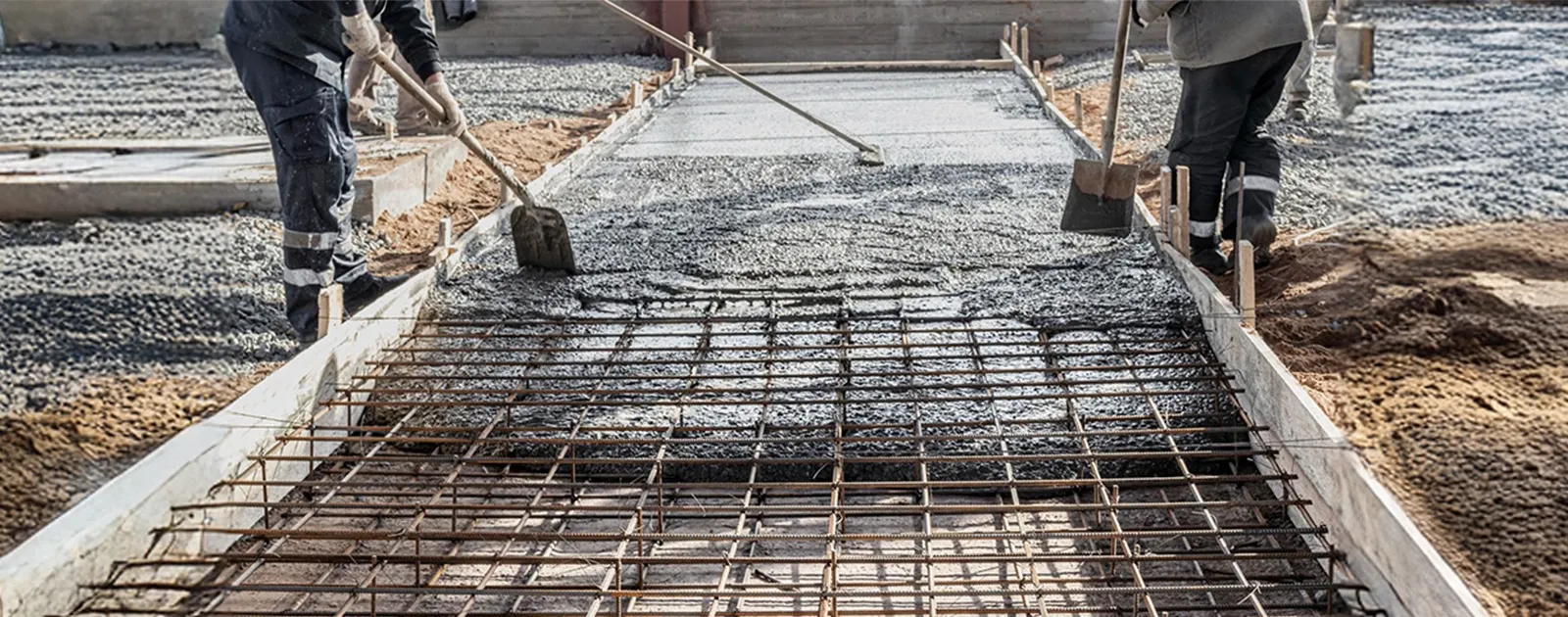
Complete Guide for Long-Lasting Construction in Humid & High Rainfall Areas
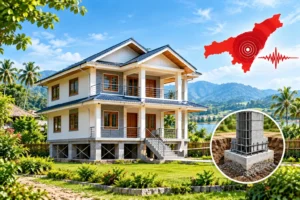
Concrete structures in rainy and humid regions face constant exposure to moisture, water seepage, and temperature variation. Without proper precautions, this can lead to cracks, corrosion of steel reinforcement, damp walls, and reduced structural strength.
If you are building in high rainfall areas like Northeast India, understanding how to increase the life of concrete structures in rainy regions is essential for durability and cost savings.
This SEO-friendly guide explains practical, engineer-recommended steps to protect your structure and ensure long-term performance.

Why Concrete Structures Deteriorate Faster in Rainy Areas
Concrete is naturally porous. In heavy rainfall zones:
- Water penetrates through micro-cracks
- Reinforcement steel starts corroding
- Dampness weakens bonding
- Surface scaling and cracks appear
- Structural life reduces significantly
Preventive measures during construction can increase durability by decades.

1️ Select the Right Cement for Humid Climate
Choosing the correct cement is the foundation of durable construction.
Why PPC Cement is Recommended:
- Better resistance to moisture
- Lower heat of hydration (reduces cracking)
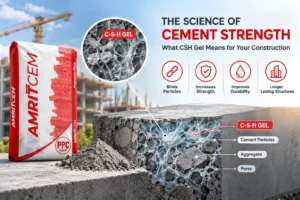
- Improved long-term strength
- Higher durability in humid conditions
For rainy regions, cement with strong bonding and moisture resistance performs better over time.

2️ Maintain Proper Water-Cement Ratio
One of the biggest construction mistakes is adding excess water.
Ideal Water-Cement Ratio:
0.40 to 0.50
Too much water:
- Reduces compressive strength
- Increases porosity
- Allows easier moisture penetration
Accurate mix proportion ensures dense and strong concrete.

3️ Ensure Proper Curing
Curing is critical for strength development.
Recommended Curing Duration:
- Minimum 7 days
- Ideally 10–14 days for better durability
In rainy regions:
- Protect fresh concrete from heavy rainfall
- Prevent surface erosion
- Maintain consistent hydration
Proper curing significantly increases concrete life.

4️ Apply Waterproofing Solutions
To prevent seepage and leakage:
- Use integral waterproofing compounds
- Apply roof waterproof coating
- Seal cracks immediately
- Use exterior wall water-repellent coatings
Waterproofing prevents:
- Damp walls
- Structural weakening
- Steel corrosion

5️ Provide Proper Concrete Cover to Reinforcement
Steel bars must have adequate concrete cover (25–40 mm as per design).
Insufficient cover leads to:
- Rusting
- Expansion cracks
- Reduced load-bearing capacity
Proper cover protects reinforcement from moisture.

6️ Use High-Quality Raw Materials
Durability depends on quality.
Ensure:
- Clean, silt-free sand
- Properly graded aggregates
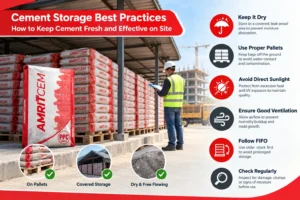
- Fresh cement bags
- Correct mixing procedure
Low-quality materials shorten structure lifespan.

7️ Provide Proper Drainage & Roof Slope
Even the best concrete fails if water stagnates.
- Provide proper roof slope
- Install rainwater outlets
- Ensure foundation drainage
- Avoid water logging around structure
Good drainage prevents long-term damage.

Benefits of Following These Steps
✔ Increased structural lifespan
✔ Reduced repair and maintenance cost
✔ Better moisture resistance
✔ Stronger bonding and durability
✔ Protection against corrosion

Frequently Asked Questions (FAQs)
1. Which cement is best for rainy regions?
Cement with high durability and moisture resistance, such as PPC-based cement, is generally recommended for humid and high rainfall areas.
2. How can I protect concrete from rain damage?
Maintain proper mix ratio, ensure adequate curing, apply waterproofing, and provide good drainage.
3. Does rain damage freshly poured concrete?
Yes. Heavy rain can wash away surface cement paste if the concrete has not set properly.
4. How to prevent roof leakage during heavy rainfall?
Use waterproofing compounds, maintain proper slope, and seal cracks immediately.
5. What is the ideal curing time in humid areas?
At least 10–14 days is recommended for better strength and durability.
6. How to increase the lifespan of buildings in flood-prone areas?
Use moisture-resistant cement, ensure proper curing, apply waterproofing, and design effective drainage systems.

Conclusion
Increasing the life of concrete structures in rainy regions is not difficult if the right construction practices are followed. Proper cement selection, correct mix ratio, effective curing, waterproofing, and drainage planning are the key pillars of long-lasting construction.
For strong bonding, superior durability, and reliable performance in humid and high rainfall conditions, choose Amrit Cem — designed to deliver strength that stands the test of time.
Build Strong. Build Durable. Build with Amrit Cem.