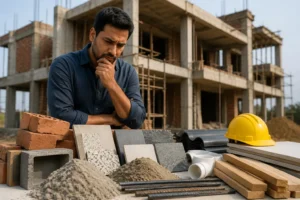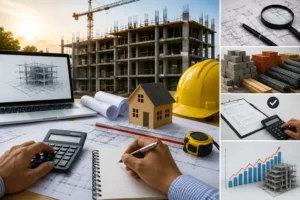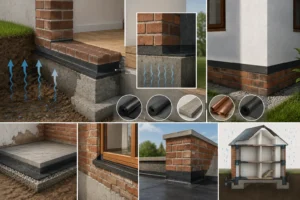
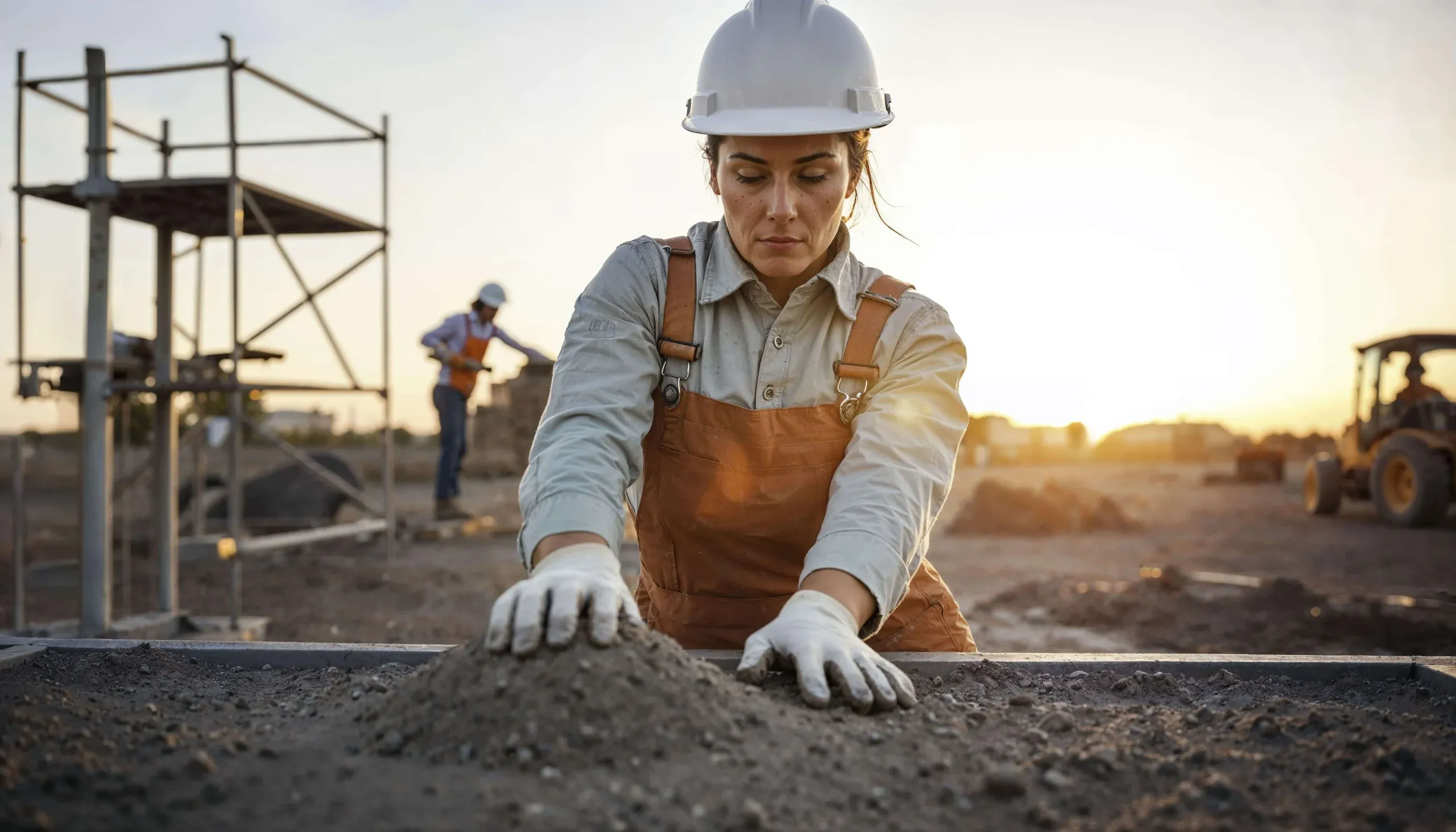
Right now, the cement world stands on edge. With more buildings going up everywhere, the push to go greener grows stronger. This material holds cities together – yet pours out heavy CO₂ emissions alongside.
Out of this challenge steps low-carbon cement – less a choice, more what building must become. It doesn’t wait for permission; it answers the weight of concrete skies and heavy ground.
From bricks to breakthroughs, peek inside how low-carbon cement shifts construction norms through tech leaps and quiet revolutions on job sites. Unexpected gains emerge when new methods meet daily demands – less heat, fewer fumes, same strength. Behind the scenes, materials evolve without fanfare, yet change sticks where it matters most: cost, durability, emissions.
Low Carbon Cement Explained?
Starting with less carbon output, low-carbon cement cuts down CO₂ when made. Because it uses smarter mixes, strength stays high. Through different ingredients, pollution drops off. While traditional methods burn more fuel, this version leans on waste materials instead. Even so, it sets just as fast. By swapping out part of the clinker, emissions shrink noticeably. Though not perfect, results still improve over time. With each batch, air impact gets smaller.
Key approaches include:
- Lowering clinker content
- Using alternative raw materials
- Adopting cleaner production technologies
In simple terms:
Build it just as tough, but leave behind a lighter environmental footprint
Cement Industry Faces Pressure to Reduce Carbon Emissions
Out of every hundred tons of carbon dioxide sent into the air worldwide, 7–8% come from making cement.
This happens mainly due to:
- High-temperature kilns
- Limestone decomposition
- Fossil fuel usage
Facing tighter climate goals, companies must adapt fast. Pressure builds as deadlines approach.
Right now, builders are shifting toward greener materials, making low-carbon cement a necessity rather than an option.
Low Carbon Cement Tech Advances
1. Blended Cement with Reduced Clinker Content
What really cuts emissions? Adjust the clinker ratio.
Factories replace clinker with:
- Fly ash
- Slag (GGBS)
- Limestone
Why it matters:
- Reduces emissions immediately
- Improves durability
- Cost-effective and scalable
Out in places such as India, blended cement has become the standard choice.
2. Limestone Calcined Clay Cement (LC3)
A newer approach gaining attention is LC3 (Limestone Calcined Clay Cement).
It uses:
- Calcined clay
- Limestone
- Reduced clinker content
Benefits:
- Up to 40% lower CO₂ emissions
- Comparable strength to traditional cement
- Uses widely available materials
For developing regions, LC3 can be a game changer.
3. Carbon Capture Utilization and Storage (CCUS)
CCUS technology captures carbon dioxide before it enters the atmosphere.
Captured carbon can be:
- Stored underground
- Reused in industrial processes
- Used in concrete curing
Why it’s important:
- Some emissions cannot be avoided through materials alone
- Requires advanced solutions beyond composition changes
4. Alternative Fuels and Renewable Energy
Traditional cement production depends heavily on coal.
Now shifting toward:
- Biomass fuels
- Waste-derived fuels
- Solar and wind energy
Impact:
- Reduces fossil fuel dependency
- Cuts operational emissions
- Supports circular economy practices
5. Green Hydrogen in Cement Production
Green hydrogen is emerging as a cleaner fuel for high-temperature processes.
Potential benefits:
- Replace coal entirely
- Enable near-zero emission plants
Though still developing, it may reshape the industry long-term.
6. Smart Manufacturing Meets AI Optimization
Digital transformation is quietly reshaping cement production.
Technologies include:
- AI-driven optimization
- Automation and robotics
Used to:
- Optimize fuel consumption
- Improve kiln efficiency
- Reduce waste
Outcome:
- Lower emissions without major structural changes
Low Carbon Cement Advantages
Environmental Impact
- Significant reduction in CO₂ emissions
- Lower energy consumption
- Supports eco-friendly construction standards
Business Advantages
- Meets regulatory requirements
- Enhances brand reputation
- Attracts eco-conscious clients
Performance Gains
- Improved durability
- Better resistance to chemicals and weathering
Challenges in Adoption
Even so, low-carbon cement faces several barriers:
- High initial investment costs
- Limited awareness among small contractors
- Supply chain and raw material constraints
- Need for updated construction standards
Still, progress continues through policy support and innovation.
The Future of Low Carbon Cement
Changes are accelerating across the industry.
Key trends include:
- Wider adoption of LC3 and blended cement
- Growth in carbon capture projects
- Increased use of renewable energy
- Stronger sustainability regulations
Low-carbon cement is becoming a standard practice, not an exception.
Final Thoughts
This shift isn’t loud – it happens quietly through materials and methods. A new mindset is shaping both buildings and beliefs.
- Manufacturers innovate to stay competitive
- Builders create structures that are both strong and sustainable
- The planet benefits from reduced industrial emissions
Faster builds, cleaner air – low-carbon cement is driving the future of construction.
Frequently Asked Questions
1. Low Carbon Cement Explained?
Low-carbon cement reduces pollution by:
- Using less clinker
- Applying cleaner processes
- Replacing traditional materials with alternatives
The goal is to reduce CO₂ emissions during production.
2. How does low-carbon cement reduce CO₂ emissions?
- Lowering clinker usage
- Using industrial by-products like fly ash and slag
- Adopting energy-efficient and carbon capture technologies
3. Could low-carbon cement match traditional strength?
- Yes, modern versions match or exceed long-term strength
- Early strength may vary slightly
- Performance improves over time
4. LC3 Cement Explained?
LC3 cement combines:
- Limestone
- Calcined clay
It delivers:
- Lower carbon emissions
- High durability
- Comparable performance
5. Why is low-carbon cement important for the future?
- Reduces environmental impact
- Supports global climate goals
Enables sustainable infrastructure development