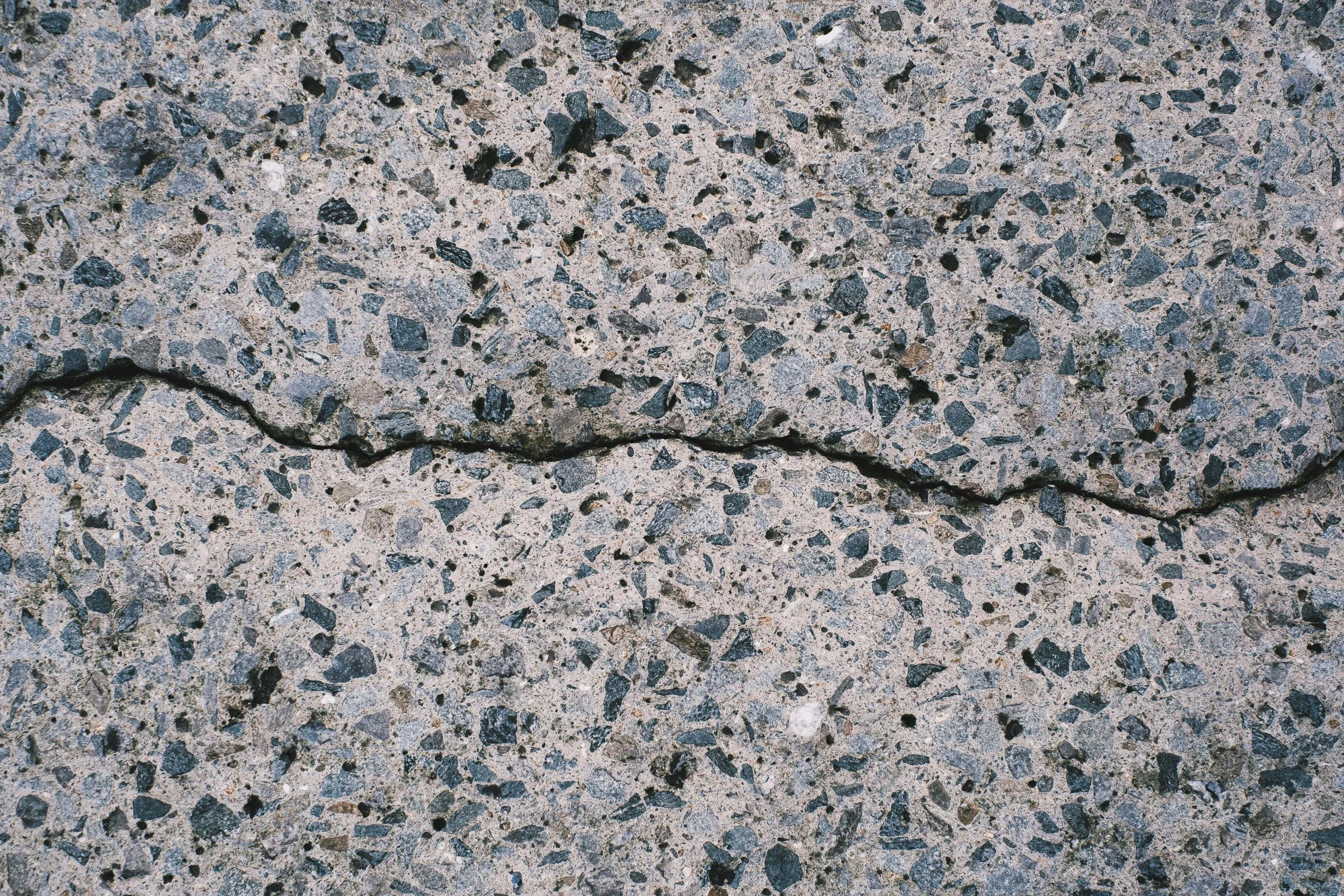
Concrete is known for its strength and long life, but one common issue that affects both small and large projects is cracks in concrete. Whether it’s a house slab, a driveway, or a large building, cracks can reduce durability, affect appearance, and sometimes lead to bigger structural problems.
The good news is that most cracks are preventable. By understanding the causes of concrete cracks and following simple, practical steps, you can improve the quality and life of your structure. This guide focuses on clear, real-world methods that help in crack prevention in slab and other concrete elements.
Shape
Why Do Cracks in Concrete Happen?
Before preventing cracks, it’s important to know why they form. Concrete doesn’t crack randomly—there’s always a reason behind it.
Here are the most common causes of concrete cracks:
1. Too Much Water in the Mix
Adding extra water makes concrete easier to work with, but it weakens the structure. As the water evaporates, it leaves behind empty spaces, which leads to shrinkage and cracks.
2. Rapid Drying
When concrete dries too quickly—especially in hot or windy weather—it loses moisture fast. This uneven drying creates surface cracks.
3. Poor Mixing or Low-Quality Materials
If the mix is not balanced or poor-quality cement and aggregates are used, the concrete may not gain proper strength.
4. Improper Curing
Curing is the process of keeping concrete moist after placing it. Skipping or reducing curing time is one of the biggest reasons for early cracks.
5. Lack of Proper Support
If the base under the slab is not compacted well, the concrete may settle unevenly, leading to cracks.
6. Temperature Changes
Concrete expands in heat and contracts in cold. Without proper planning, these movements can cause visible cracks.
Shape
Practical Ways to Prevent Cracks in Concrete
Preventing cracks in concrete is not about one step—it’s about doing several small things correctly from start to finish.
1. Use the Right Water-Cement Ratio
One of the simplest ways to control cracks is to use the correct amount of water.
- Avoid adding extra water just to make mixing easier
- Follow recommended mix proportions
- Use good-quality cement like Amrit Cement for better bonding
Less water means less shrinkage, which directly reduces the chances of cracking.
2. Choose Quality Materials
The strength of concrete depends on what goes into it.
- Use clean sand and properly graded aggregates
- Avoid using materials with dust or impurities
- Always go with reliable cement products that maintain consistency
Good materials reduce weak spots and improve overall durability.
3. Ensure Proper Mixing
Even with the right materials, poor mixing can lead to uneven strength.
- Mix concrete thoroughly so all ingredients are evenly distributed
- Avoid dry pockets or overly wet sections
- Use mechanical mixers for better consistency in large projects
Uniform mixing ensures that the entire structure behaves the same way under load.
4. Focus on Base Preparation
For slabs and floors, the base plays a huge role in preventing cracks.
- Compact the soil properly before pouring concrete
- Add a layer of gravel or sand for stability
- Ensure the base is level and firm
This is especially important for crack prevention in slab, as uneven support is a major cause of cracks.
5. Control Drying Speed
Concrete should not dry too quickly.
- Avoid pouring concrete during extreme heat
- Use shade or cover the surface if needed
- Sprinkle water lightly during the early stages
Slow and steady drying helps the concrete gain strength without forming cracks.
6. Never Skip Curing
Curing is one of the most important steps in how to avoid concrete cracking, yet it is often ignored.
- Start curing within a few hours after placing concrete
- Continue curing for at least 7–14 days
- Keep the surface moist using water, wet cloth, or curing compounds
Proper curing allows the concrete to develop full strength and reduces shrinkage cracks.
7. Use Expansion Joints
Concrete naturally expands and contracts. Instead of resisting this movement, it’s better to manage it.
- Provide expansion joints at regular intervals
- These joints act as planned gaps where movement can happen safely
- They prevent random cracks from appearing across the surface
This is a simple but very effective solution, especially for large slabs and pavements.
8. Add Reinforcement
Reinforcement helps control cracks, even if they form.
- Use steel bars (rebars) or mesh in slabs and beams
- Reinforcement holds the concrete together and prevents cracks from spreading
While it may not stop cracks completely, it ensures they remain small and controlled.
9. Avoid Overloading Early
Fresh concrete needs time to gain strength.
- Do not place heavy loads immediately after construction
- Avoid walking or placing equipment on slabs too early
Giving concrete enough time to settle reduces stress and prevents early cracking.
10. Plan for Weather Conditions
Weather has a direct impact on concrete behavior.
- In hot weather: protect concrete from fast drying
- In cold weather: ensure it does not freeze during setting
- In rainy conditions: avoid water accumulation on fresh concrete
Proper planning based on weather helps in long-term crack prevention in slab and structures.
11. Finish the Surface Properly
Surface finishing also plays a role in preventing cracks.
- Avoid over-finishing, which brings excess water to the top
- Use proper tools and techniques for leveling
- Do not disturb the surface once it starts setting
A well-finished surface reduces the chances of surface cracks.
12. Use Reliable Cement for Consistency
Consistency in cement quality is often overlooked but very important.
Trusted brands like Amrit Cement ensure:
- Uniform strength development
- Controlled setting time
- Better resistance to shrinkage
Using dependable cement products reduces the risk of unexpected issues during construction.
Shape
Signs You Should Not Ignore
Even after taking precautions, small cracks may sometimes appear. It’s important to identify when they need attention.
Watch out for:
- Cracks that keep growing wider
- Cracks that go deep into the structure
- Water seepage through cracks
- Uneven surfaces or sinking areas
Early repair can prevent these small issues from turning into major problems.
Shape
Final Thoughts
Dealing with cracks in concrete is not just about fixing them later—it’s about preventing them from the start. Most cracks happen due to avoidable mistakes like excess water, poor curing, or weak base preparation.
By understanding the causes of concrete cracks and following practical steps like proper mixing, curing, and joint placement, you can significantly improve the quality of your construction.
If you’re wondering how to avoid concrete cracking, the answer lies in attention to detail at every stage—from material selection to final curing.
Using high-quality materials like Amrit Cement and following the right practices ensures stronger, more durable structures that stand the test of time.
In the end, good construction is not about doing something complex—it’s about doing the basics correctly, every single time.