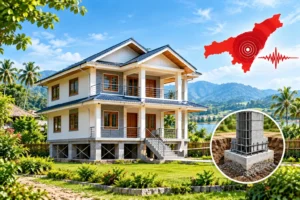
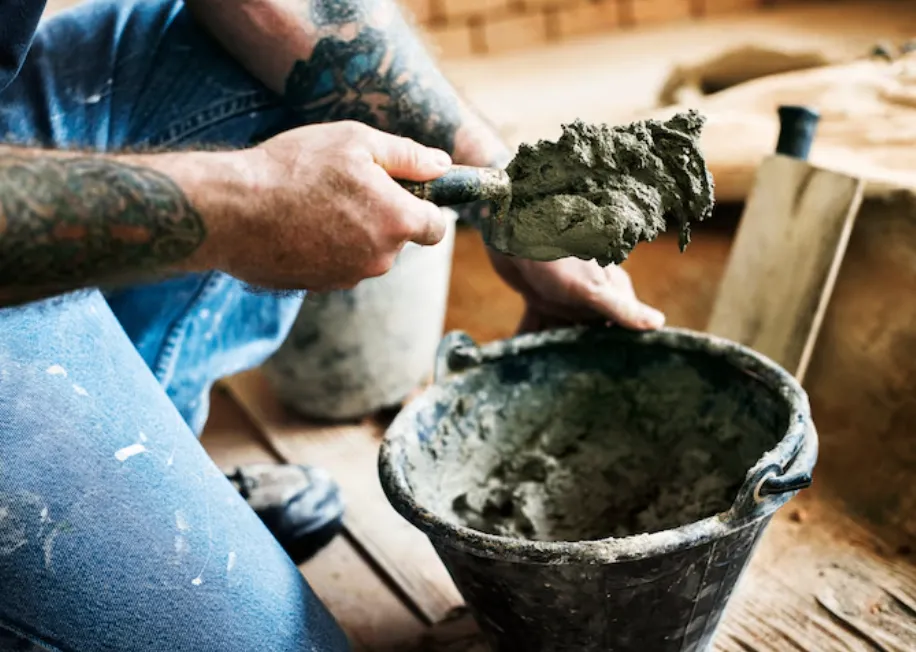
Different cement types behave differently on-site. Some provide faster strength, while others perform better over long-term exposure. Using the wrong cement for the wrong application can lead to:
- cracks
- shrinkage
- moisture-related damage
- reduced durability
- higher maintenance costs later
That is why understanding the technical difference between the two (2) most used type of cements i.e. OPC and PPC cement helps improve construction quality, structural life and long-term performance.
Why Understanding OPC and PPC Cement Is Necessary
Every cement type reacts differently under actual construction conditions. Factors like:
- climate
- curing method
- construction type
- water exposure
- heat conditions
all influence cement performance. That is why it is very important to understand which cement works best in which conditions. OPC cement is mainly preferred where faster strength is required, while ppc cement is selected for durability and long-term stability. In hot climate regions especially, choosing the correct cement becomes even more important because excessive heat generation can affect structural performance.
What Is OPC Cement?
OPC stands for Ordinary Portland Cement. It is manufactured by grinding clinker and gypsum together. OPC is mainly used for structural work where early strength is important. It is available in multiple grades such as:
- OPC 33
- OPC 43
- OPC 53
Among these, OPC 53 is widely used for RCC work because it gains strength quickly and supports faster construction progress.
Key Features of OPC Cement
- Faster setting time
- Higher early strength
- Suitable for RCC structures
- Better for fast-track projects
Because OPC gains strength rapidly, it is commonly used for:
- beams
- slabs
- columns
- heavy structural construction
However, OPC also generates higher heat during hydration, which can increase crack risks if curing is not done properly.
Benefits of OPC Cement
The biggest advantages of OPC cement include:
- High early strength
- Faster construction speed
- Better performance in cold weather
- Suitable for heavy RCC work
Builders often prefer OPC where formwork removal and structural loading need to happen quickly.
What Is PPC Cement?
PPC cement stands for Portland Pozzolana Cement. It is manufactured by combining OPC clinker with pozzolanic materials such as fly ash.
Unlike OPC, ppc cement develops strength gradually over time. However, its long-term durability is often considered better in residential and moisture-prone construction environments.
Key Features of PPC Cement
- Lower heat generation
- Better durability
- Improved crack resistance
- Better moisture resistance
- Longer workability
Because ppc cement generates less heat, it reduces the chances of thermal cracking in structures.
This makes PPC suitable for:
- residential buildings
- plastering
- masonry work
- foundations
- humid climate regions
Benefits of PPC Cement
The major advantages of ppc cement include:
- Lower heat of hydration
- Better crack control
- Improved long-term strength
- Better resistance against moisture
- Eco-friendly production due to fly ash usage
For residential house construction, many builders prefer ppc cement because durability matters more than construction speed.
PPC Cement Vs OPC Cement: Technical Comparison
When comparing ppc cement and OPC, several technical factors need to be considered.
| Basis of Comparison | OPC Cement | PPC Cement |
| Early Strength | Higher | Slower strength gain |
| Heat Generation | Higher | Lower |
| Long-Term Performance | Good | Better |
| Setting Time | Faster | Slower |
| Durability | Moderate | Better durability |
| Crack Resistance | Moderate | Better |
| Water Exposure Areas | Less preferred | More suitable |
| Workability | Lower | Better |
| Best Use | RCC structures | Plastering, masonry, residential work |
OPC 53 vs PPC: Which One Is Stronger?
The comparison of OPC 53 vs PPC depends on what type of strength you are discussing.
OPC 53 Strength
OPC 53 develops high early strength much faster. This makes it ideal for:
- high-rise buildings
- bridges
- RCC structures
- industrial projects
- faster construction timelines
PPC Cement Strength
PPC cement gains strength slowly but continues improving over time. Its long-term durability and crack resistance are usually better under residential and environmental exposure conditions.
So technically:
- OPC 53 provides stronger early-stage strength
- PPC provides stronger long-term durability performance
The better option depends on the project requirement.
Heat Generation and Crack Risk
One major technical difference in OPC 53 vs PPC is heat generation.
OPC produces higher heat during hydration. In large concrete structures, this can create:
- thermal stress
- shrinkage cracks
- curing problems
Improper curing of OPC often leads to hairline cracks in residential construction.
On the other hand, ppc cement generates lower heat and hydrates more evenly. This improves:
- bonding
- crack resistance
- shrinkage control
- durability
This is why PPC is often preferred for:
- foundations
- brickwork
- plastering
- long-life residential structures
Workability and Site Performance
Another important factor in the OPC 53 vs PPC comparison is workability.
PPC remains workable for a longer duration, which helps in:
- manual construction work
- small-town construction
- labour-dependent projects
- hot weather conditions
OPC sets faster and requires:
- quicker handling
- faster placement
- skilled labour
- continuous curing
Builders usually select cement based on actual site conditions and project timelines.
Which Cement Is Best for Your Project?
The answer depends completely on the type of work.
Choose OPC Cement For:
- slabs
- beams
- columns
- RCC structures
- fast construction projects
Choose PPC Cement For:
- masonry
- plastering
- residential homes
- hot climate regions
- long-term durability
No single cement type works best for every construction stage.
Which Is the Best Cement in India?
Many builders also ask, “Which is the best cement in India?” Well, the answer depends on:
- construction type
- project requirement
- climate conditions
- durability expectations
Different cement brands in India offer both OPC and PPC variants designed for different construction applications.
The best cement is always the one that suits your project technically and not just commercially.
Final Thoughts
Understanding the technical difference between OPC and ppc cement helps builders make smarter and safer construction decisions.
While OPC provides faster strength and quicker construction speed, ppc cement offers better durability, crack resistance and long-term structural performance. The comparison of OPC 53 vs PPC is not about deciding one universal winner. It is about choosing the right cement according to:
- construction type
- climate
- curing conditions
- structural requirement
And when selecting among different cement brands in India, always prioritise:
- product quality
- technical suitability
- long-term durability
- project performance
Because strong construction always starts with the right foundation and the right cement choice.