Why Amrit Cement Is Emerging as One of India’s Top Cement Brands 

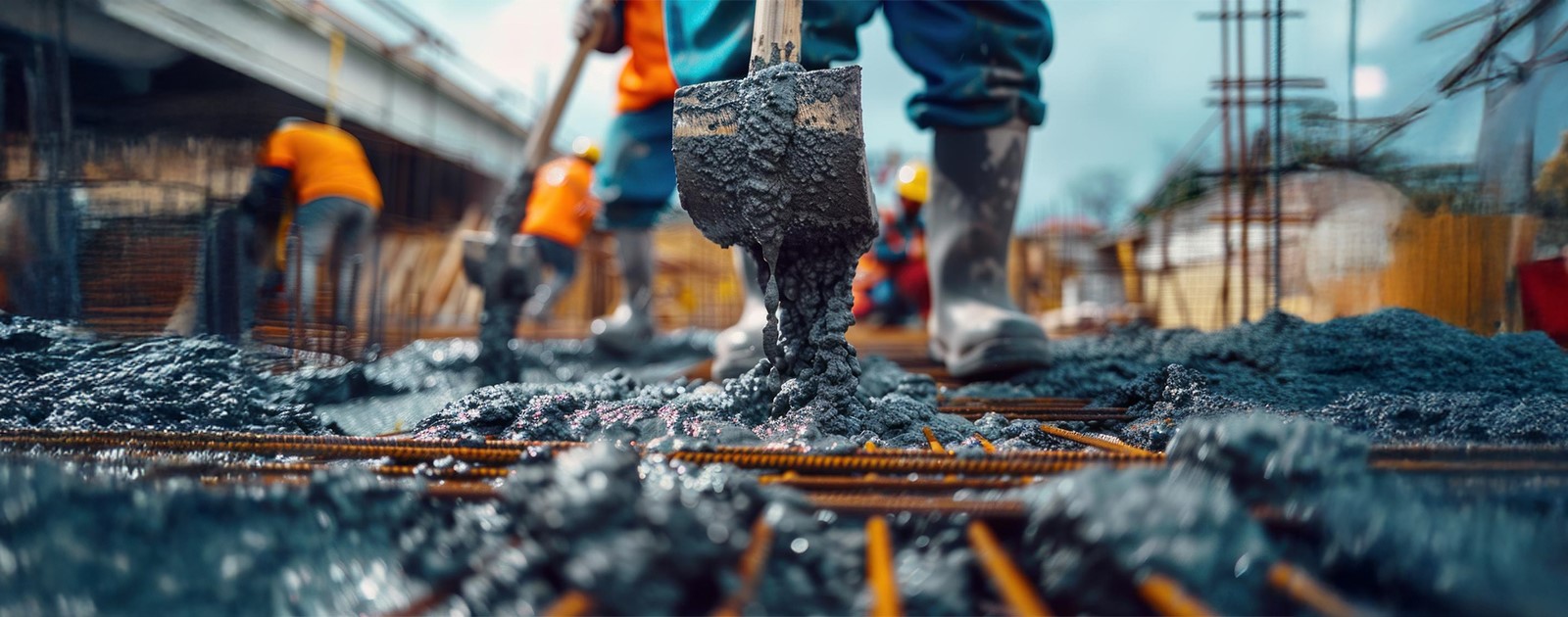
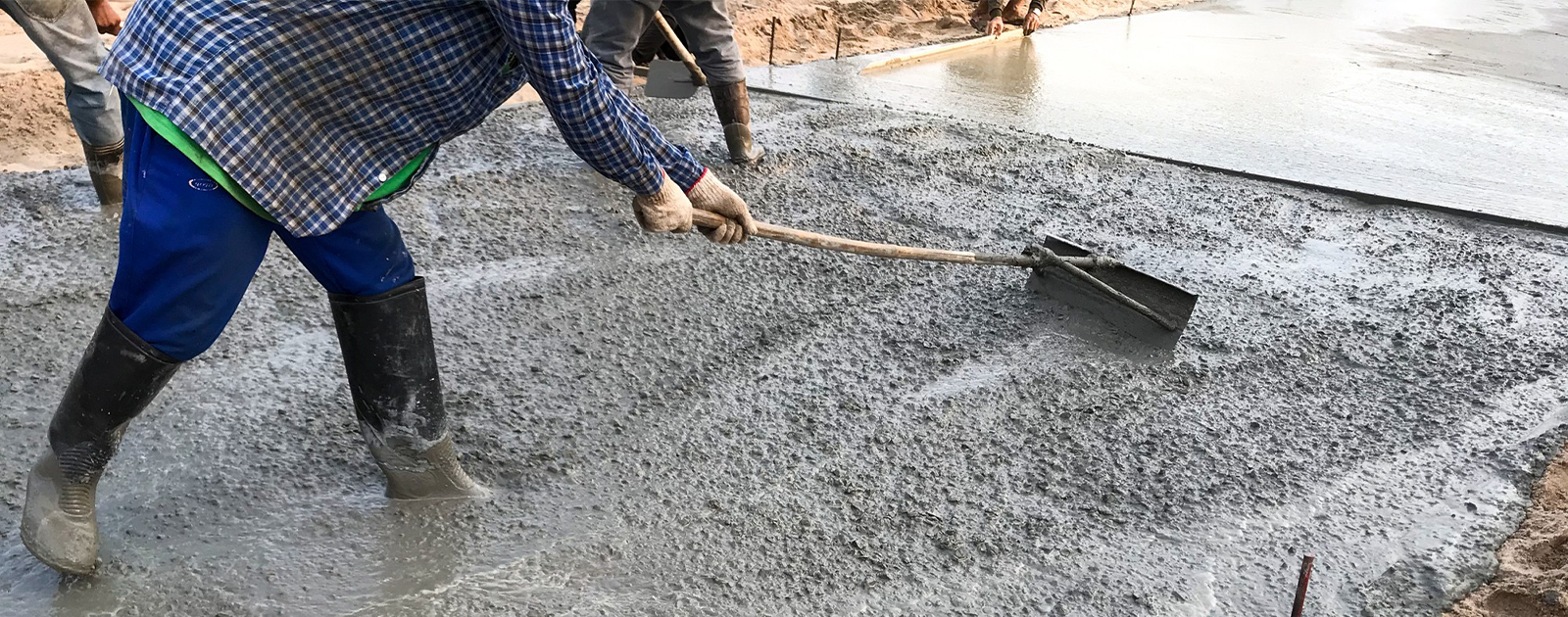
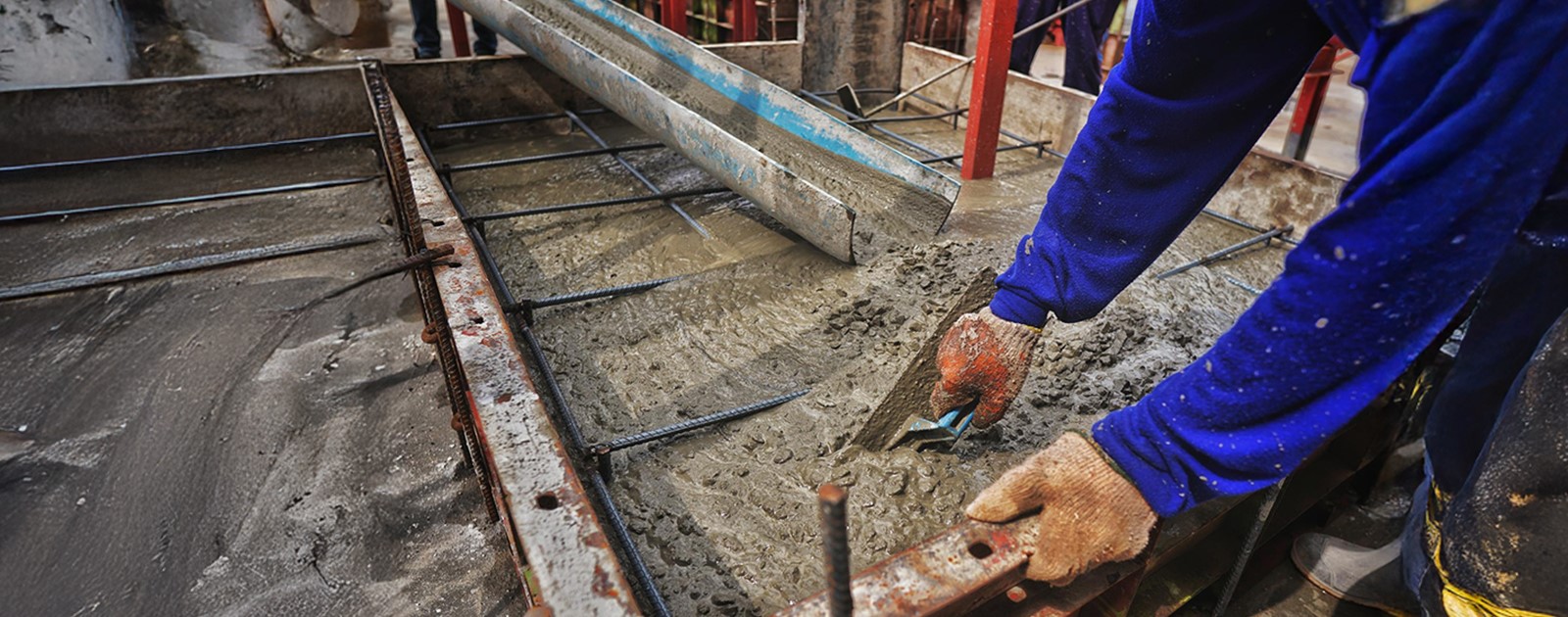
Construction worker applying high-quality cement at a building site, demonstrating the strength and consistency of Amrit Cement

Why Amrit Cement Is Emerging as One of India’s Top Cement Brands 

In India’s rapidly growing construction market, the choice of cement can make or break a project. It affects strength, durability, and the long-term cost of construction. With rising awareness and stricter expectations, today’s buyers are no longer satisfied with any random cement products—they look for brands that deliver reliability, quality, and service.  This is exactly where Amrit Cement is gaining momentum, making its mark among India’s top cement choices.  The Evolving Needs of Today’s Buyers  Whether you’re building your own home, managing a large-scale project, or working as a contractor, you already know that construction expectations have changed.  Buyers today demand:  Amrit Cement has tuned its entire approach around these evolving buyer needs.  Product Innovation with a Purpose  AmritCem isn’t just another cement brand. At the core of its growth is a focus on practical, user-driven innovation.  Rather than offering just a standard product, AmritCem has built a diverse portfolio to address the real-world challenges of different soil types, weather conditions, and construction methods across India.  Every product is BIS-certified and engineered to perform in India’s unique construction environments.  Built on Trust and Transparency  One of the key reasons buyers are choosing AmritCem is clarity and confidence.  Every cement bag includes:  This transparency helps buyers make informed decisions, especially in markets where cement quality can vary.  But AmritCem’s support doesn’t stop at the bag. The brand provides:  This service-first approach builds trust and positions AmritCem as a partner—not just a product supplier.  Regional Strength, National Standards  While Amrit Cement has strong roots in Northeast India, its operations are aligned with national quality benchmarks.  This means:  For builders and contractors, this translates into cost control and consistent results.  Cost Efficiency Without Compromising on Quality  Affordability is always important, especially for individual builders and smaller contractors.  AmritCem uses:  This allows it to price competitively—often matching or beating legacy brands—without compromising on quality.  And the value extends beyond the price tag:  Over the life of a building, these factors add up to significant cost savings.  Simpler Choices for Smarter Buying  With so many brands and grades on the market, cement buying can get confusing.  India top cement brand such as AmritCem makes it easier by offering:  Buyers are encouraged to compare not just price per bag, but also:  For bulk buyers, AmritCem provides:  This helps developers and government contractors stay on track and on budget.  Real Projects. Real Performance.  AmritCem’s success isn’t based on claims alone—it comes from real-world performance.  From bridges in Assam to residential projects across urban centers, the cement has proven:  These results have earned repeat business and strong word-of-mouth among builders and contractors.  The Bottom Line  If you’re searching for cement products that are reliable, high quality, and built for long-term performance, Amrit Cement is a brand worth considering.  Whether you’re building one home or managing an entire infrastructure portfolio, AmritCem offers:  Its rise in India’s competitive cement industry is not about advertising—it’s about meeting user needs in practical, measurable ways.  Invest once. Build to last. Choose AmritCem. 
Read More (...)
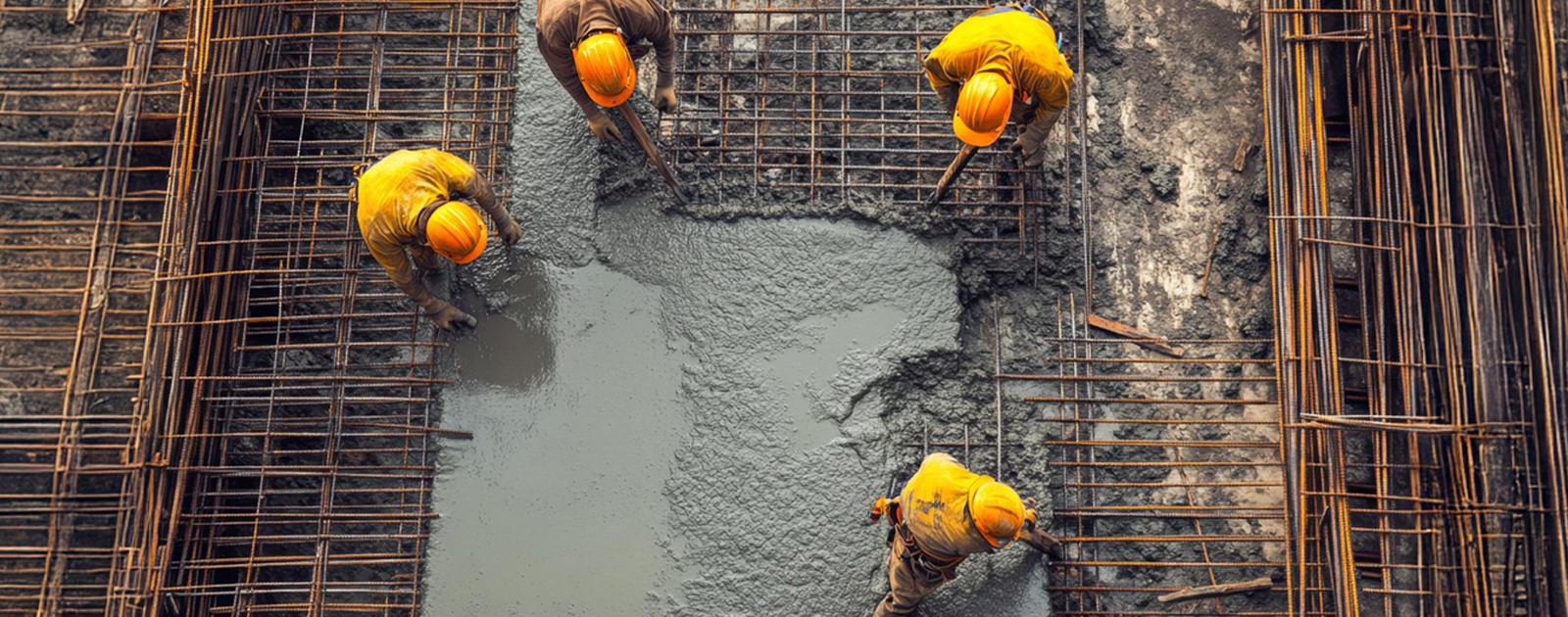
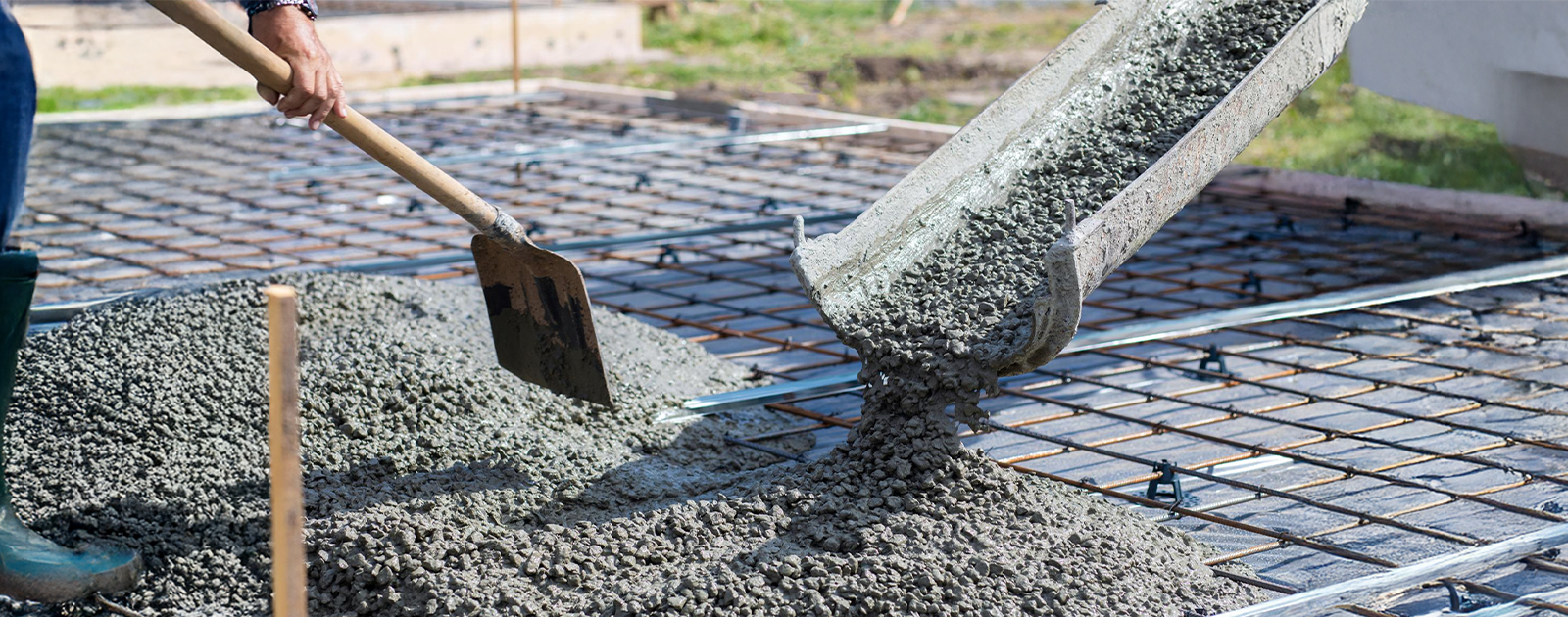
Workers applying cement plaster at a construction site, showcasing smooth finish and strong bonding using quality cement by Amrit Cement

Top Qualities of the Best Cement for Plaster That Ensure a Smooth & Strong Surface

When you’re finishing a new house, business space, or renovation, plastering is more than a surface job. The right cement ensures your walls are smooth, strong, and durable — able to withstand the challenging weather of Northeast India.  For homeowners and builders across Meghalaya and nearby regions, knowing why the right plaster cement matters can help you avoid cracks, rework, and unnecessary maintenance. It’s all about making the smart decision early.  Why the Right Plaster Cement Matters  Plastering impacts both the look and durability of your building. A good layer of plaster provides moisture resistance, helps paint stick better, and gives the walls a smooth, polished finish.  Using the wrong cement? That can lead to patchy surfaces, early cracks, and expensive redos.  What Makes Cement Ideal for Plastering?  If you’re based in Meghalaya or surrounding regions, look out for these key qualities:  1. Fine Particle Size & Smooth Finish  Meghalaya cement has a fine texture. It mixes easily with sand, fills surface gaps, and dries without leaving sand streaks or rough patches.  2. Easy Workability  Cement should be easy to mix and apply — even in Meghalaya’s rainy climate. It should stick well on vertical surfaces without sliding off.  3. Balanced Setting Time  Fast-setting cement may rush workers and lead to errors. Slow-setting ones waste time. The best plaster cement offers a balanced window — giving masons enough time to apply a clean coat.  4. Strong Bonding Ability  Plaster should tightly grip the brick or concrete. Cement with CSH gel or bonding agents offers long-lasting adhesion and prevents flaking.  5. Crack and Shrink Resistance  In regions like Meghalaya, where seasonal weather changes are common, pozzolanic additives in cement help reduce cracking and shrinkage.  6. Moisture Resistance  During monsoons, moisture can seep into walls. A good plaster cement creates a dense and water-resistant layer, protecting your walls from dampness, salt stains, or fungus.  7. Compatibility with Local Sand  Meghalaya’s sand has a unique texture. Choose a cement that works well with local sand, offering better finish and fewer application issues.  How to Choose the Right Cement Brand Locally  There are many of the best cement for plaster on the market. Go beyond advertisements. Focus on performance and trust:  a. Ask Locals & Masons  Skilled masons in your area know what really works. Brands like AmritCem have earned trust through consistent performance in Meghalaya.  b. Check BIS Certification  Look for the ISI mark — especially IS 1489 (Part 1) for PPC cement, which is commonly used in plastering.  c. Don’t Just Look at Price  A slightly more expensive cement that gives a better finish, stronger bond, and fewer cracks can save money on repainting and repairs later.  d. Buy Fresh & in Bulk  Use cement bags that are less than 30 days old and well stored. Buying in bulk from authorized dealers ensures genuine and well-preserved material.  e. Avoid Seasonal Price Hikes  In Meghalaya, cement prices usually rise during the monsoon and festive seasons. Plan your plastering early to lock in better prices and avoid supply delays.  Why Local Cement Brands Like AmritCem Matter  While national brands are reliable, local companies like AmritCem offer several benefits:  Before choosing a brand, ask for a sample, or visit a local project using it. Nothing beats seeing the finish in real conditions.  Why AmritCem PPC Cement is the Right Choice for Plastering  AmritCem PPC is specially made for Northeast climates. It offers:  Whether it’s interior plastering or external wall finishing, AmritCem ensures your walls stay cleaner, stronger, and maintenance-free.  Final Reflection: Build Smarter, Build Stronger  Choosing the right cement for plastering isn’t just about brand names. It’s about:  In Meghalaya or across the Northeast, pick a cement designed for your region. Ask your dealer about AmritCem PPC, check for the ISI mark, and see the results for yourself.  Invest once. Build to last. 

Read More (...)
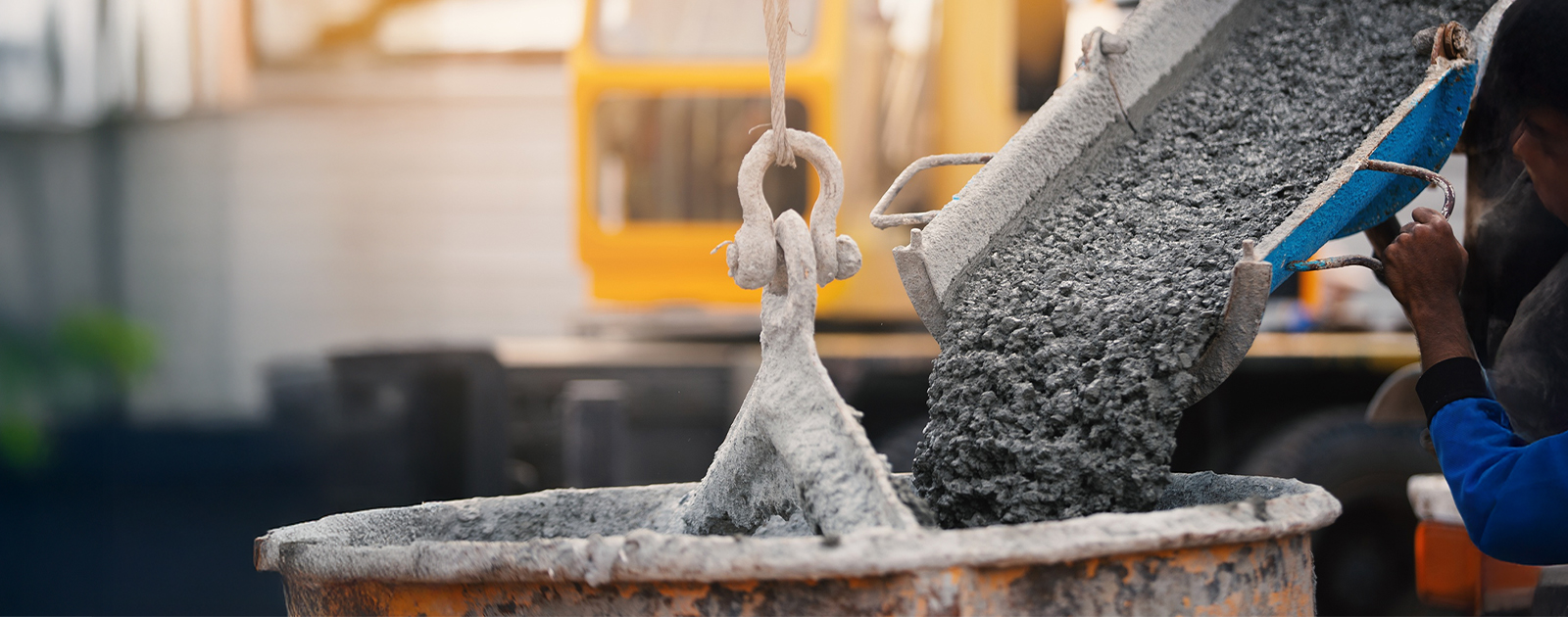
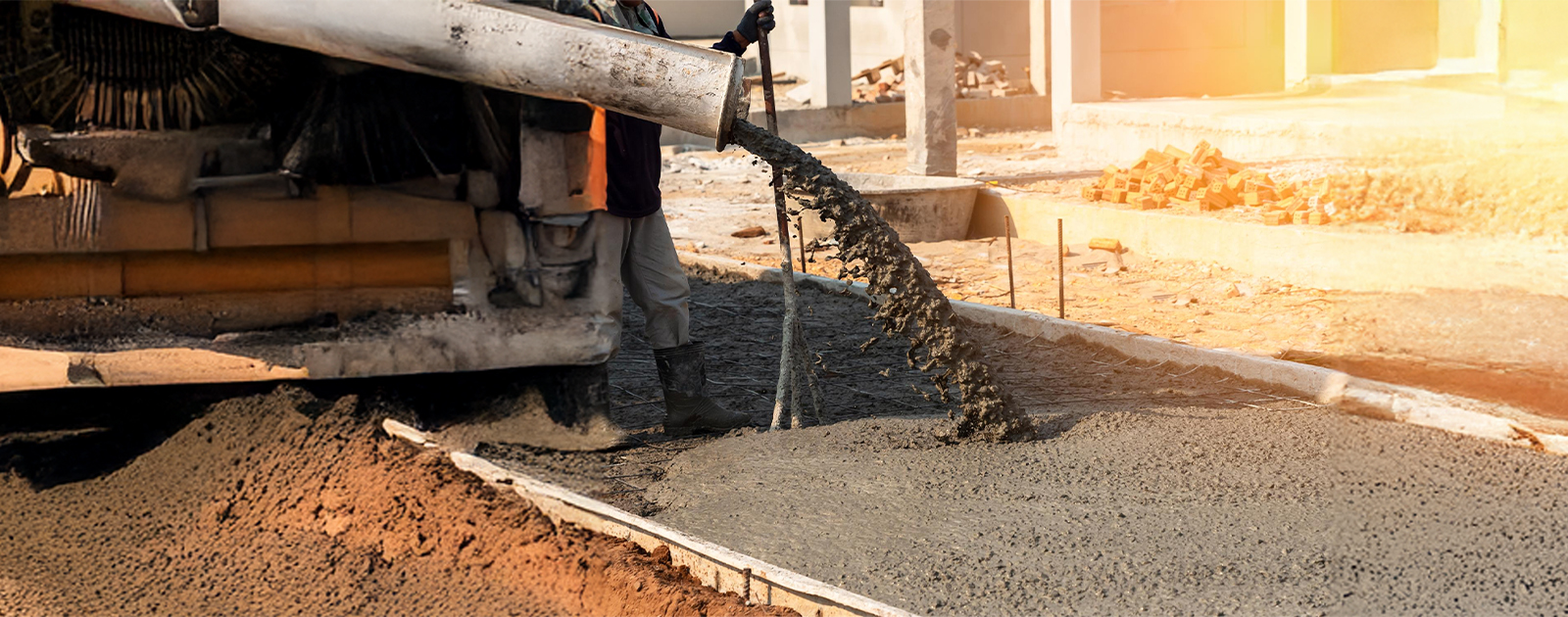
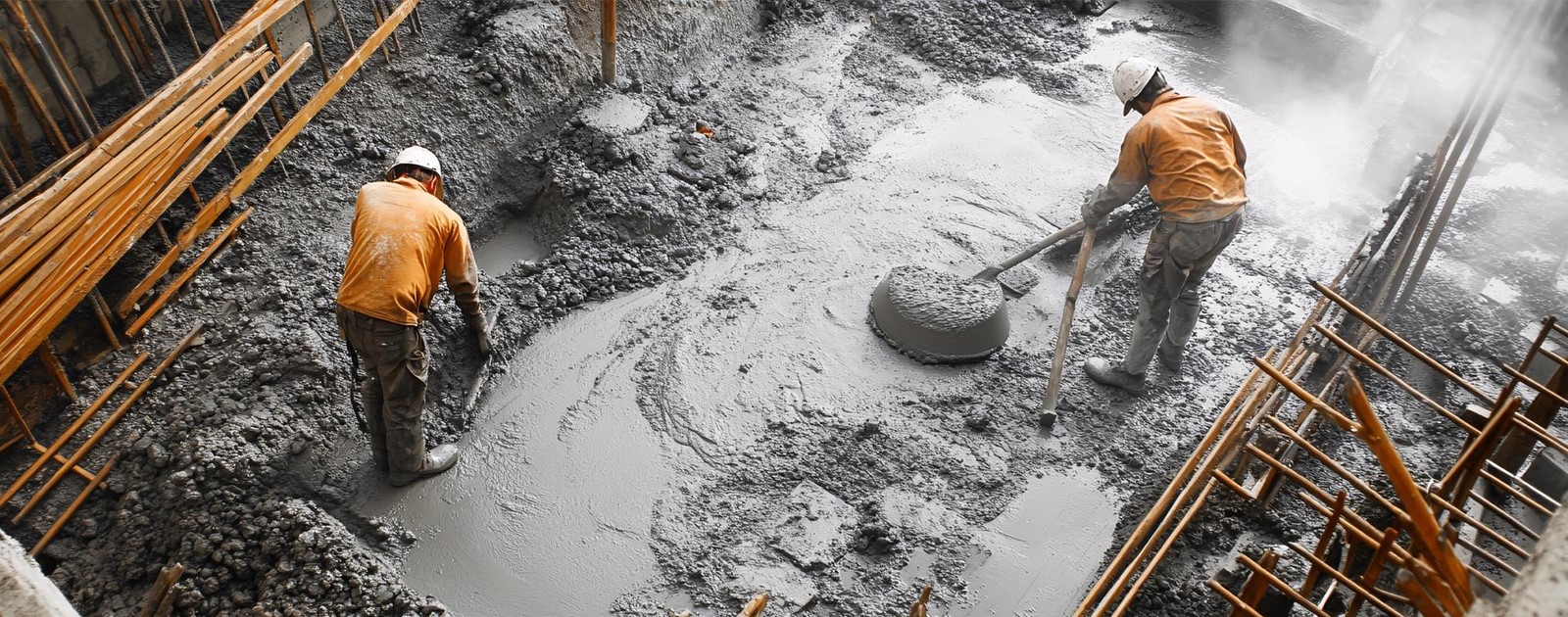
Construction workers pouring concrete at a building site, highlighting the role of eco-friendly cement in reducing carbon emissions by Amrit Cement

How Buildings Contribute to Carbon Emissions and How Eco-Friendly Materials Help

In today’s construction environment, sustainability is no longer optional. Rising material costs, changing climate, and stricter regulations are forcing developers and homeowners to rethink how buildings are made. The right material choices, starting with cement, can impact not just the environment—but also project cost, durability, and legal compliance.  This is especially true in Assam and the Northeast, where high humidity and frequent rainfall demand long-lasting and low-maintenance materials.  Buildings and Their Carbon Footprint  Buildings are responsible for nearly 40% of total energy-related carbon emissions during their lifecycle—from raw material extraction to eventual demolition.  In India, this number is rising fast due to rapid urbanization. For builders and property owners, this is more than an environmental issue:  That’s why switching to eco-friendly cement is now a commercially smart decision—not just an environmental one.  Cement Manufacturing: Where Emissions Come From  Cement is the backbone of construction—but also one of the biggest carbon emitters. Most emissions come from:  OPC (Ordinary Portland Cement) is necessary for some structural applications but contributes roughly 8% of global CO₂ emissions. That’s why cement manufacturing process, industries and regulators are now promoting low-carbon alternatives.  What is Eco-Friendly Cement?  Eco-friendly cement includes:  These cements use industrial by-products, reducing carbon output while enhancing strength and durability. For instance, AmritCem’s PPC includes CSH Gel, which boosts workability and reduces cracks over time.  Key Benefits for Buyers  Switching to eco-friendly cement delivers both environmental and commercial value:  Eco-Friendly Cement vs Conventional OPC: At a Glance  Cement Type  Upfront Cost  Carbon Footprint  Durability  BIS Compliance  Ideal Use Case  OPC (Conventional)  Moderate  High  Good if well-applied  IS 269  High-stress, time-bound projects  PPC (Eco-friendly)  Moderate  Lower  Excellent, less cracking  IS 1489  General housing, long-term projects  PSC / Blended  Moderate  Lowest  Highest, chemical resistance  IS 455  Foundations, aggressive soils  Important: Always check for the ISI mark and BIS code on the cement bag. AmritCem PPC and other eco-friendly variants fully comply with Indian and state norms.  Making the Right Choice: A Guide for Buyers  Here’s how homeowners, builders, and contractors in the Northeast can make smarter cement decisions:  1. Match Cement Type to the Project  2. Think Lifecycle, Not Just Bag Price  PPC may cost the same or slightly less than OPC—but saves significantly on future repairs. In high-moisture zones like Assam or Meghalaya, it performs better over time.  3. Check Local Availability  Ask your dealer about cement stocked in your region. AmritCem has strong supply in Assam, Tripura, and Meghalaya, ensuring faster delivery and lower freight costs.  4. Bulk Purchase Smartly  Buy before peak season to get better prices. For larger housing societies or contractors, AmritCem offers bulk support and dealer programs to streamline delivery.  5. Stay Ahead of Regulation  Green buildings using certified cement face fewer approval delays, are more eligible for incentives and funding, and are future-proofed against compliance changes.  Why AmritCem Leads in Sustainable Cement for the Northeast  AmritCem is focused on delivering region-ready eco-friendly cement for Northeast India. Our PPC range is:  We also optimize our manufacturing process to lower emissions and provide consistent quality to every project—big or small.  Final Word  Eco-friendly cement isn’t a trend—it’s the future of construction. It helps lower emissions, protects buildings from weather stress, and supports green compliance — without increasing your cost.  If you’re building in Assam or anywhere in the Northeast, AmritCem’s PPC and blended cements give you the perfect mix of performance, price, and peace of mind.  To discuss your requirements or get bulk pricing, contact AmritCem’s regional support team today.  Build for tomorrow. Build with AmritCem. 

Read More (...)
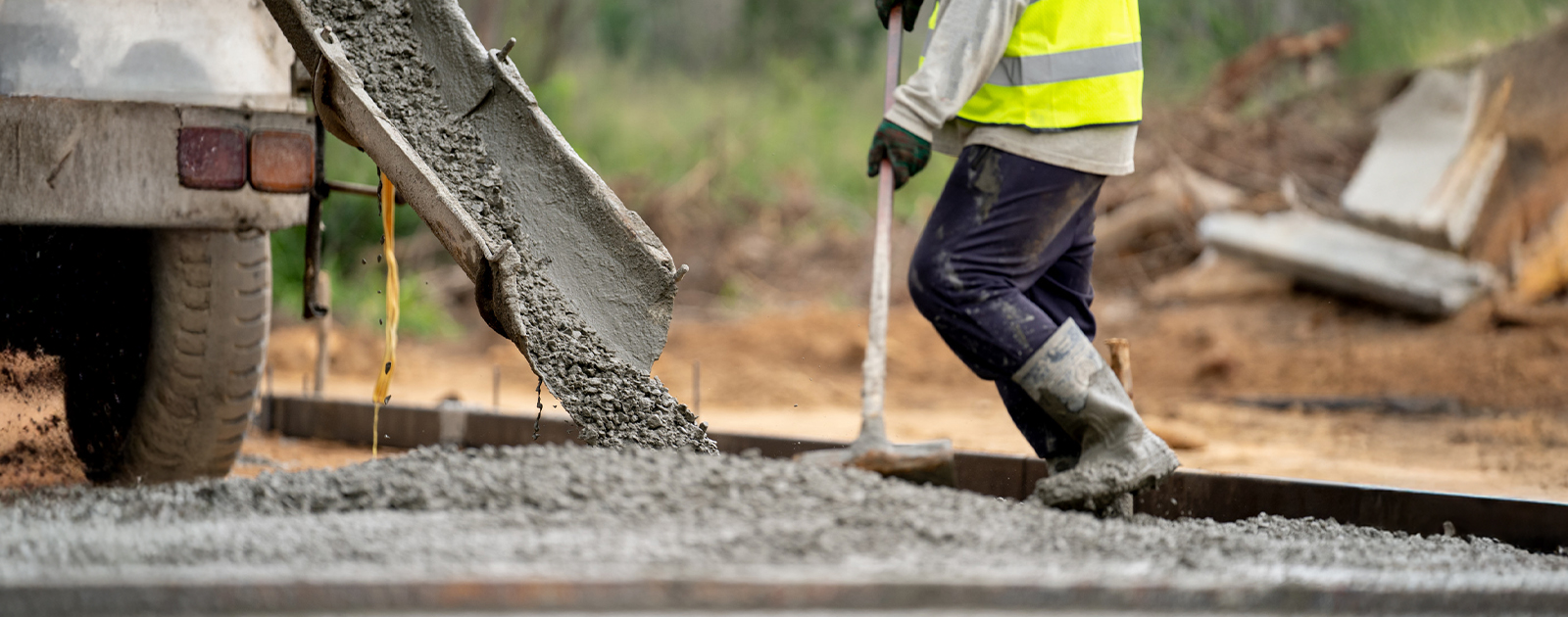
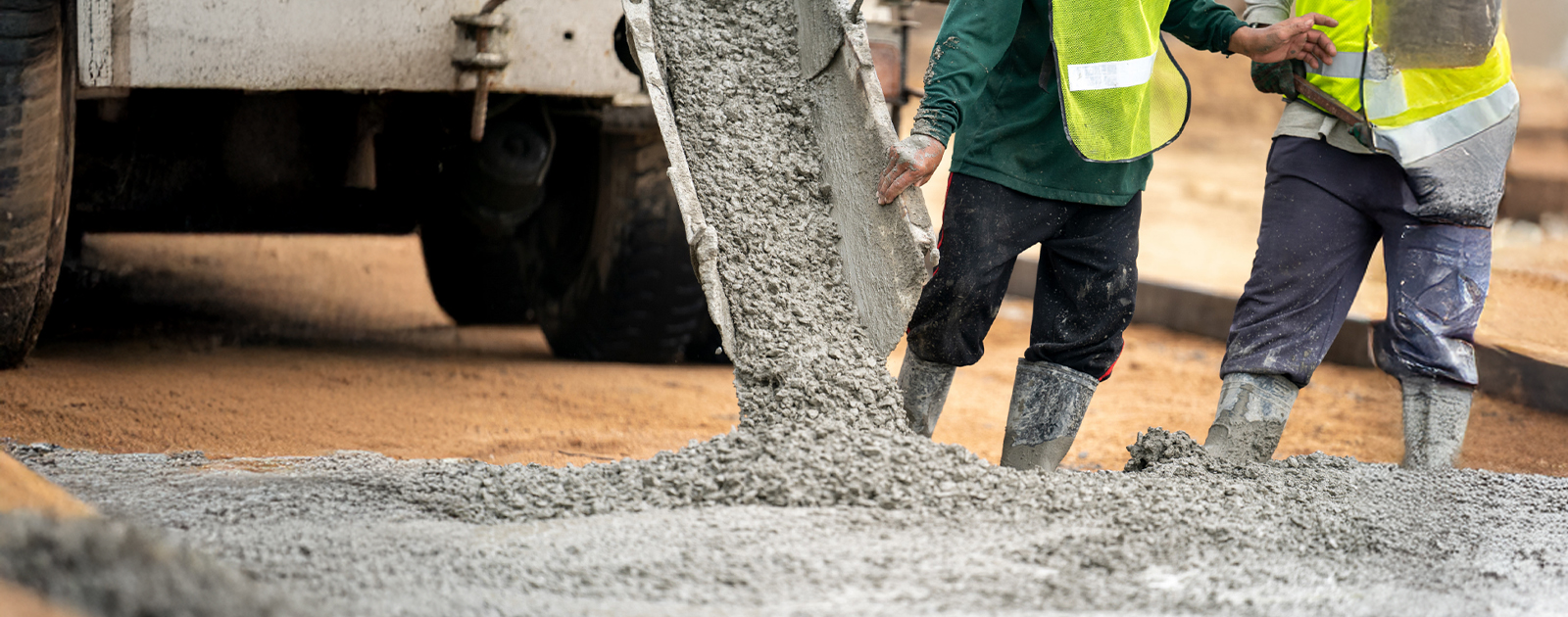
Construction workers pouring concrete using OPC and PPC cement at a building site in Northeast India by Amrit Cement

OPC and PPC Cement Comparison for Assam and Northeast India: Practical Selection Guide 

When building a home or commercial project, choosing the right cement is one of the most important decisions. With rising construction costs and harsh weather conditions in regions like Assam and Northeast India, your cement must be durable, cost-effective, and compliant.  If you’re a first-time homeowner, a contractor, or a builder, this guide will help you understand the key difference between opc and ppc cement, and how to make the best choice — for today and for the future.  The Basics: OPC and PPC  Let’s break it down:  OPC vs PPC: Real-World Construction Use  1. Strength & Setting Time  In Assam, where rain and soil conditions are unpredictable, PPC offers better strength over time and reduces the risk of cracks.  2. Durability & Maintenance  With high humidity, frequent rainfall, and sulphate-heavy soil, the Northeast demands more durable construction.  AmritCem PPC is specially made for this climate, giving long-term strength to foundations and outer walls.  3. Workability & Finish  For plastering or surface work, PPC gives a creamier mix and better results.  4. Cost & Long-Term Value  At AmritCem, PPC is not only cost-effective, but comes with the right BIS certification, moisture-proof packaging, and consistent quality.  5. Legal Compliance  All cement used must follow BIS (Bureau of Indian Standards) norms:  Whether you choose AmritCem, UltraTech, or ACC, always check the ISI mark on the bag. It ensures legal safety and is essential for insurance and approvals.  Why AmritCem PPC Is the Smarter Choice for the Northeast  Whether you’re building a home or managing a large project, AmritCem delivers peace of mind with every bag.  Quick Decision Table: What Cement to Use?  Project Type  Recommended Cement  Why  High-rise, bridges, heavy load-bearing  OPC 53  High early strength needed for structural elements  RCC slabs, beams, general home building  OPC 43 / PPC  Balanced performance and better cost efficiency  Plastering, low-load masonry  PPC / OPC 33  Smooth finish, fewer cracks, lower cost  Foundations in wet/aggressive soil  PPC  Long-term durability and chemical resistance  Buyer Tips  Final Take  The choice between opc vs ppc cement is more than just technical — it affects your structure’s life, maintenance needs, and total cost.  For homes and commercial projects in Assam and Northeast India, AmritCem PPC gives the perfect balance — certified quality, smooth finishes, strong durability, and better value over time.  Build with confidence. Build with AmritCem. 

Read More (...)
OPC and PPC- AmritCem

The Complete Guide to Cement for Concrete: Choosing Between OPC and PPC

If you’re planning to buy cement for concrete, you’re likely hearing two terms a lot: OPC and PPC. But how do you really know which one to choose?This guide doesn’t just compare types — it walks you through the decision-making journey of someone about to start construction, so you can make a smarter, cost-effective, and durable choice. Step 1: Know What You’re Building — That Defines the Cement Let’s say you’re planning to build your own house. You ask your contractor:“Which cement will give me strong concrete and also last longer?” The answer depends on three things: If you need concrete to harden fast and hold heavy loads quickly — like for beams, columns, or multi-storey slabs — your engineer may suggest OPC 53 grade cement. If the focus is on long-term strength, better crack resistance, and lower maintenance, you’ll likely be advised to use PPC. So before you compare prices, you need clarity on usage. Step 2: The Real Difference (Beyond the Jargon) OPC 53 Grade Cement PPC Cement At AmritCem, our PPC is blended with CSH Gel — offering a smooth finish, strong setting, and longevity even in humid environments. Step 3: Think Like a Smart Buyer — Total Cost Matters, Not Just Bag Price You walk into a dealer shop. They quote ₹360 for PPC and ₹390 for OPC 53.Which one should you pick? Instead of just seeing the price, ask: Commercial insight: A cement that reduces future maintenance is actually cheaper over time.Especially in Assam, Meghalaya, or Tripura, where weather is harsh, PPC may mean: Step 4: Legal & Practical Checks Before You Buy Regardless of type, your cement must meet Indian standards: Tip: If the brand or dealer can’t show compliance, avoid buying — even if cheaper.Substandard cement causes structural failure and legal liabilities. Step 5: Consider Availability & Delivery — It Impacts Budget Especially in Northeast India, the cost of cement includes: AmritCem, with regional roots, often provides more consistent supply and moisture-proof packaging — reducing wastage and preserving quality. Ask your dealer: Step 6: Decide With Confidence — A Quick Summary Table Factor OPC 53 Grade Cement PPC Cement Strength Speed Fast (ideal for fast-track builds) Gradual (steady strength gain) Durability in Moisture Moderate High (great for humid conditions) Cost per Bag Higher (₹380–₹400) Lower (₹340–₹360) Repair & Maintenance More likely if curing is poor Less prone to cracks & seepage Best For Beams, slabs, precast, fast jobs Homes, walls, humid zones, foundations Region Fit (NE India) Use with proper curing Ideal for moisture-rich climate Final Advice: Match Cement to Purpose — Not Just Brand The best cement for concrete depends on how, where, and why you’re using it. At AmritCem, we focus on delivering performance that aligns with your site needs — whether that means fast-setting OPC 53 or long-life PPC with CSH Gel technology. Before you decide: Still unsure? Call us for a site-level recommendation.We’ll help you choose wisely.

Read More (...)
Slab Casting and Pre-Cast Construction-AmritCem

A Guide to Slab Casting and Pre-Cast Construction: Benefits and Cement Selection

In Indian construction, the slab isn’t just a structural layer — it’s the backbone of your home or building. Yet when people think about slab casting, many focus only on the surface — the labour, the steel, the timeline. The real decisions that impact durability, speed, and cost start much earlier, at the intersection of construction method and cement selection. Whether you’re an individual home builder in Assam or a contractor managing mid-rise housing in Meghalaya, understanding slab casting vs. pre-cast construction can help you save money, avoid downtime, and future-proof your structure. And yes — the cement you choose (not just the brand, but the type) plays a central role. What Really Matters in Slab Work? Slab casting is not a standalone task. It’s part of a sequence.If you’re doing in-situ slab casting (pouring on-site), you need to account for formwork design, compaction, curing timelines, and weather delays.If you’re considering pre-cast, you need to factor in transport, crane installation, jointing precision, and pre-slab groundwork. So, how do you decide? Start With These Four Filters: If your answers lean toward time sensitivity and skilled labour gaps, pre-cast may be smarter. If you’re budget-sensitive but can manage time and labour, slab casting offers flexibility. Cement: Not Just a Brand Game — It’s a Performance Decision Now, let’s talk cement. You may already know big names — UltraTech, ACC, Ambuja, Shree Cement. They all produce ISI-certified grades suitable for slab work. But here’s the insight: the grade and formulation matter more than just the brand. Slab work needs the right balance of strength gain, finish quality, and workability. Three Cement Types Often Used in Slab Projects: AmritCem’s PPC, for example, uses CSH gel technology, which offers better bonding and a smoother finish — essential for slabs that double as final surfaces (like terraces). Which Method Suits What Scenario? Situation Slab Casting (On-Site) Pre-Cast Modules Rural/remote areas Easier to execute with local labour Transport challenges, crane access Tight urban timelines Slower due to curing and finishing Faster, cleaner execution Budget-sensitive More cost-flexible, scalable Slightly higher initial cost Monsoon impact High disruption risk Lower weather dependency Design complexity Custom formwork allows flexibility Pre-defined sizes may limit design Decision-making tip: Use slab casting for low-rise and rural builds.Choose pre-cast for speed-sensitive, modular, or institutional projects where every day saved cuts cost. Beyond Price: Lifecycle Performance Matters Yes, cement brands in India compete heavily on price — ₹360 vs ₹375 per bag — but in slab work, what you save upfront you often lose in rework. Cracking, seepage, joint failures — all come down to how well your cement performs under pressure, moisture, and load cycles. Ask your supplier these questions: AmritCem, for instance, supports site engineers and masons in understanding mixing ratios and curing strategies — often where the biggest quality gaps occur. Final Guidance: Make Your Slab Smart, Not Just Strong Here’s the short checklist: Don’t just pick cement for price. Pick it for performance, support, and suitability to the work at hand.The slab carries the story of your build — make it one that stands firm, season after season.

Read More (...)
cement dealership-Amritcem

Why Amrit Cement is the Leading Choice for Builders and Dealers in Northeast India?

If you’re a builder breaking ground on your next residential project in Guwahati — or a dealer scanning for new cement partnerships in Tripura — one question likely tops your mind: “Which cement supplier actually delivers long-term value in the Northeast?” The answer, increasingly, points to Amrit Cement. But let’s not settle on that just yet. Let’s walk through the buying journey from the perspective of both builders and cement suppliers, and see what matters — and why AmritCem consistently meets those demands. The Builder’s Dilemma A builder in Northeast India has a unique checklist.Yes, the price per 50-kg bag matters. But the real cost often shows up after the bags arrive — in delays, cracks, inconsistencies, or poor post-sale support. What’s needed is consistent quality, regional availability, technical responsiveness, and timely delivery. AmritCem, with its PPC and OPC grades, is formulated specifically for the region’s terrain and weather conditions. The cement performs steadily across high-moisture zones — essential for long-lasting RCC slabs and foundation work common across Assam and Meghalaya. Add to that its CSH Gel technology for better bonding, and you reduce chances of cracking or surface failures — translating to fewer repairs, less rework, and better margins for contractors. The Dealer’s Bet Now shift to the lens of a cement dealer in Silchar or Itanagar. Your concerns are different.You’re not just stocking cement — you’re building a business that depends on margin, inventory movement, trust with local masons, and after-sales alignment. A reliable cement dealership depends on four key factors: The result? Smoother transactions. Higher confidence from contractors. Repeat sales from masons and mid-scale builders who trust what you sell. Not All Cement Suppliers Are Built for the Northeast The Northeast isn’t like central or western India. We’re talking steep gradients, broken road networks, unpredictable monsoons, and remote job sites. Many national brands promise pan-India coverage but struggle with last-mile logistics in this region. What looks good on a presentation deck doesn’t always translate on ground. AmritCem was built differently — with the Northeast as its starting point, not an expansion zone. Its cement isn’t just shipped here — it’s engineered here. Its logistics don’t work around the terrain — they’re designed for it. This matters deeply for both dealers and builders. Because no matter how premium the cement quality, if it’s not available when you need it — it’s just another delay costing you money. A Smart Cement Dealership Is Not About Price — It’s About Partnership Let’s be honest: most cement prices don’t vary more than ₹10–₹15 per bag across competing brands. What does vary is: AmritCem understands this. Its cement-supplier model isn’t transaction-led — it’s relationship-driven. That’s why most of its channel partners stay for years, not months. The Final Word: Who Should Choose AmritCem — and Why? If you’re a builder in Northeast India who wants dependable quality, strong bonding performance, and locally responsive support — AmritCem is already positioned as your best choice. It reduces risk, increases project predictability, and helps you deliver quality construction. If you’re a cement dealer looking for consistent margins, strong product turnover, and a brand that actually supports your growth — a cement dealership with AmritCem gives you a competitive edge. This isn’t just about selling bags. It’s about cementing trust — something AmritCem has been doing across Northeast India, project by project, dealer by dealer, home by home.

Read More (...)
Cement Grades-Amrit Cem

Cement Grades Explained: A Beginner’s Guide to OPC 43, OPC 53, and PPC

When planning your next build — whether it’s your dream home, a commercial site, or a public works contract — one of the first questions you’ll face is deceptively simple: Which cement grade should I choose? It sounds technical. But in practice, it’s a commercial decision. The grade you choose affects not just strength, but cost per square foot, speed of construction, long-term durability, and maintenance spend over decades. And here’s the truth: if you’re buying based on price per bag alone, you could be spending more overall. Let’s break it down. What Cement Grades Actually Mean for Your Budget In India, the most common cement grades in the market are 43 grade (OPC), 53 grade (OPC) and PPC (Portland Pozzolana Cement). Each has a different compressive strength — but more importantly, each behaves differently during and after construction. 43 grade cement gains strength gradually. It’s reliable and cost-effective for residential slabs, columns, and basic structures. But it sets slower, which may extend your labour or formwork rental costs. 53 grade cement, on the other hand, gains strength quickly. Ideal for high-stress load-bearing components and fast-paced projects. Yes, the cost per bag is higher — but if it lets you pour, set, and move to the next stage faster, that’s labour saved. PPC, though ungraded numerically, is blended for higher durability, reduced cracks, and environmental benefits. It’s not about speed; it’s about long-term resilience — especially in regions like the Northeast where humidity and rainfall can degrade lower-quality cement over time. Cement Is Not a Commodity. It’s a Contract with Time, Weather, and Money. Imagine this: Two contractors bid on a school project. One opts for PPC, the other for OPC 43. On paper, the second bid is cheaper by ₹8 per bag. But six months after completion, surface cracks appear, requiring patch-ups. By the first monsoon, there’s visible wear. Meanwhile, the PPC structure holds up with zero callbacks. The difference? Cement grade isn’t just a technical choice — it’s a decision about how much future cost you’re willing to absorb today. Decision Matrix for Buyers in Assam & Northeast India To help you evaluate smartly, use this matrix — not all cost decisions are the same: Criteria Go with OPC 43 Go with OPC 53 Go with PPC Budget-Limited Project Most cost-effective Not ideal Viable if timeline is flexible Fast Completion Required Slower set Ideal for quick set and early strength Not suitable High Rainfall/Water Exposure Risk of degradation Better than 43 but still OPC Best option for long-term durability Mass Concreting or Foundations Limited performance Suitable Best for thermal resistance Long-Term Maintenance Concerns Higher risk of cracks Moderate Low maintenance lifespan AmritCem offers all three grades, but always recommends site-specific selection. A hillside home in Mizoram faces different conditions than a township road in Tripura. Regional Buying Tip In states like Assam, where cement must often travel long distances, freight becomes a hidden cost. Choose a brand like AmritCem with local distribution centers or depots. You’ll save on transport, reduce delay risks, and often get fresher cement (important for grade performance). Also consider seasonality: avoid buying in bulk during peak monsoon unless storage is airtight. Even a few weeks of moisture exposure can reduce active grade strength. Choose Based on Cost per Cubic Metre, Not Bag Price A common mistake: comparing prices at a per-bag level without understanding the final cement-to-concrete yield. Example: OPC 53 might cost ₹15 more per bag than OPC 43. But if it gives you a higher yield due to better mix performance or reduces labour/curing time, the per-square-foot cost may end up lower. Your smart choice lies in the total cost-to-performance ratio, not just the sticker price. Why AmritCem Fits Commercial Buyers in the Northeast We’re not here to tell you which grade to buy. We’re here to make sure you don’t buy wrong. AmritCem works closely with on-ground engineers and petty contractors across Assam, Meghalaya, and Tripura. We’ve seen 43 grade cement crumble under extreme monsoon loads — and we’ve seen PPC reduce maintenance calls for over 10 years. So our advice is simple: decide based on what your site, structure, and schedule demand — not just bag rate. When in doubt, speak to our site support team. We’ll help you match grade with actual performance needs — before the purchase, not after the cost. Ready to choose the right cement grade for your next project? Get a locally available, BIS-certified AmritCem recommendation now.Your structure — and your budget — will thank you later.

Read More (...)
Global Cement Price Trends-amritcem

Global Cement Price Trends and What They Mean for Builders

Introduction: Cement — The Backbone of Global Infrastructure  Cement is one of the most consumed materials in the world, second only to water. It forms the foundation of housing, roads, bridges, and infrastructure, making its price trends a crucial factor for builders, developers, and policymakers.  However, global cement prices are influenced by multiple dynamic factors such as energy costs, raw materials, logistics, and construction demand.  At Amrit Cement Limited, we continuously monitor these market shifts to ensure consistent pricing, superior quality, and reliable supply — helping builders plan better and build smarter.  Understanding Global Cement Price Trends  Cement prices have witnessed steady fluctuations over the past few years, driven by global economic changes and evolving demand patterns.  Let’s explore the key factors influencing these trends:  1️⃣ Energy and Fuel Costs  Cement production is energy-intensive. Changes in coal, petroleum coke (petcoke), and electricity prices directly impact production costs.  2️⃣ Raw Material Availability  Cement production depends heavily on raw materials like limestone, gypsum, and fly ash. Shortages or transportation issues can push prices up.  3️⃣ Logistics and Transportation  Cement is bulky, and freight costs form a large share of its final price.  Amrit Cement, with its strategically located plants and optimized logistics network, ensures cost-efficient and timely supply across regions.  4️⃣ Global Construction Demand  As countries invest in infrastructure, housing, and industrial projects, cement demand surges.  5️⃣ Climate and Carbon Regulations  The global push toward low-carbon cement and sustainable manufacturing has led to higher R&D and compliance costs. While these efforts ensure environmental benefits, they also temporarily raise cement prices until new technologies scale up.  Amrit Cement actively promotes eco-friendly cement solutions, focusing on lower emissions and energy-efficient production processes.  India’s Cement Price Outlook  India’s cement market remains one of the most dynamic in the world. Despite rising fuel costs and global inflation, Amrit Cement continues to maintain affordable pricing through:  This ensures builders and contractors can manage project budgets effectively while maintaining high construction quality.   What These Price Trends Mean for Builders  🧩 Amrit Cement: Stability Amid Market Shifts  At Amrit Cement Limited, we understand how crucial pricing stability is for our partners in the construction industry.  That’s why we focus on: ✅ Efficient manufacturing and logistics to control costs ✅ Sustainable energy and raw material sourcing ✅ Advanced R&D for product innovation and durability ✅ Transparent pricing and reliable supply chain  We believe in empowering builders to build with confidence — no matter how the market moves.  Conclusion: Building Smart Amid Changing Market Dynamics  Cement price trends are more than just numbers — they shape how the world builds.  At Amrit Cement, we’re committed to offering consistent quality, stable pricing, and sustainable cement solutions, helping builders navigate market fluctuations with confidence.  Because in every price cycle, one thing remains constant — Amrit Cement’s commitment to strength, trust, and innovation.   FAQs: Global Cement Price Trends  Q1. Why do global cement prices fluctuate? Prices change due to variations in fuel costs, raw material supply, transportation, and construction demand.  Q2. How do global price trends affect Indian builders? They influence raw material costs and freight charges, which can affect domestic cement pricing.  Q3. What is the current trend for cement prices in India? Prices remain moderately stable with slight regional variations depending on logistics and demand.  Q4. How does Amrit Cement manage price stability? By using energy-efficient production, optimized transport, and sustainable material sourcing.  Q5. Will cement prices rise in the near future? Minor increases may occur due to global fuel costs and carbon regulations, but efficient producers like Amrit Cement work to minimize impact on end-users.   

Read More (...)
Cement Grades 33, 43, 53-amritcem

Understanding Cement Grades 33, 43, 53 — Strength, Setting Time, and Use Cases 

Introduction: The Right Cement Grade Builds the Right Strength  When it comes to construction, choosing the right cement grade is crucial for achieving the desired strength, durability, and performance.  Different structures require different grades of cement — from small residential projects to high-rise commercial constructions.  At Amrit Cement Limited, we manufacture premium-quality OPC (Ordinary Portland Cement) and PPC (Portland Pozzolana Cement) that meet IS standards, ensuring every project gets the right balance of strength and setting time.  Let’s understand the key differences between 33 Grade, 43 Grade, and 53 Grade Cement and where each performs best.   What Do Cement Grades Mean?  Cement grades are classified based on their compressive strength, measured after 28 days of curing (in MegaPascals or MPa).  Cement Grade  Compressive Strength (28 Days)  IS Code  33 Grade  33 MPa  IS 269:2015  43 Grade  43 MPa  IS 8112:2013  53 Grade  53 MPa  IS 12269:2013  The higher the grade, the greater the strength — but the choice depends on your project’s structural and curing requirements.   Cement Grade 33: For General Construction  Overview: 33 Grade Cement is the traditional OPC grade suitable for general construction works where high strength is not required.  Features:  Best Use Cases: Residential buildings, non-load-bearing walls, pathways, and plasterwork.  Advantages:  🧱 Cement Grade 43: The Balanced Performer  Overview: 43 Grade Cement provides a balance between strength and workability — making it the most widely used cement grade in India.  Features:  Best Use Cases: RCC structures, beams, columns, slabs, and general-purpose concrete.  Advantages:   Cement Grade 53: For High-Strength Applications  Overview: 53 Grade Cement is designed for high-performance concrete where early strength and durability are crucial.  Features:  Best Use Cases: Bridges, dams, high-rise buildings, precast structures, and heavy foundations.  Advantages:   Comparison Table: Cement Grades 33 vs 43 vs 53  Property  33 Grade  43 Grade  53 Grade  Strength (MPa)            33  43  53  Initial Setting Time  30 mins  30 mins  30 mins  Final Setting Time  600 mins  600 mins  600 mins  Workability  High  Moderate  Low  Heat of Hydration  Low  Medium  High  Applications  Plastering, flooring  RCC, masonry  High-strength concrete  Cost Efficiency  Most economical  Balanced  Premium   Amrit Cement’s Quality Assurance   At Amrit Cement Limited, every bag undergoes stringent quality checks to ensure it meets BIS standards for:  Our state-of-the-art manufacturing process ensures that whether you choose 33, 43, or 53 Grade Cement — you get superior quality, consistent performance, and unmatched reliability.  We also offer PPC Cement, which combines strength with eco-friendliness, ideal for long-lasting sustainable structures.   Choosing the Right Cement Grade  Construction Type  Recommended Grade  Residential House  33 or 43 Grade  RCC Slabs & Columns  43 Grade  Bridges / Flyovers / Dams  53 Grade  Industrial Projects  53 Grade  Plastering / Masonry Work  33 Grade  Always consult your structural engineer to choose the correct cement grade for your project.  Conclusion: Choose Wisely, Build Strongly  Understanding the differences between Cement Grades 33, 43, and 53 helps you make informed decisions for your construction project.  At Amrit Cement, we ensure that every grade meets the highest standards of strength, setting time, and reliability — delivering excellence from foundation to finish.  Because with Amrit Cement, you don’t just build walls — you build trust that lasts generations.   FAQs: Understanding Cement Grades  Q1. What is the difference between 33, 43, and 53 Grade Cement? The difference lies in compressive strength after 28 days — 33 MPa, 43 MPa, and 53 MPa respectively.  Q2. Which grade of cement is best for home construction? 43 Grade is the most recommended for residential buildings, offering balanced strength and workability.  Q3. Can 53 Grade Cement be used for plastering? It’s not ideal for plastering due to high heat of hydration, which can cause cracks. Use 33 Grade instead.  Q4. Does higher grade mean better cement quality? Not necessarily. The “best” grade depends on your project’s structural requirements and curing conditions.  Q5. How does Amrit Cement maintain grade consistency? Amrit Cement follows BIS-certified testing and automated production processes ensuring consistent grade performance across all batches. 

Read More (...)