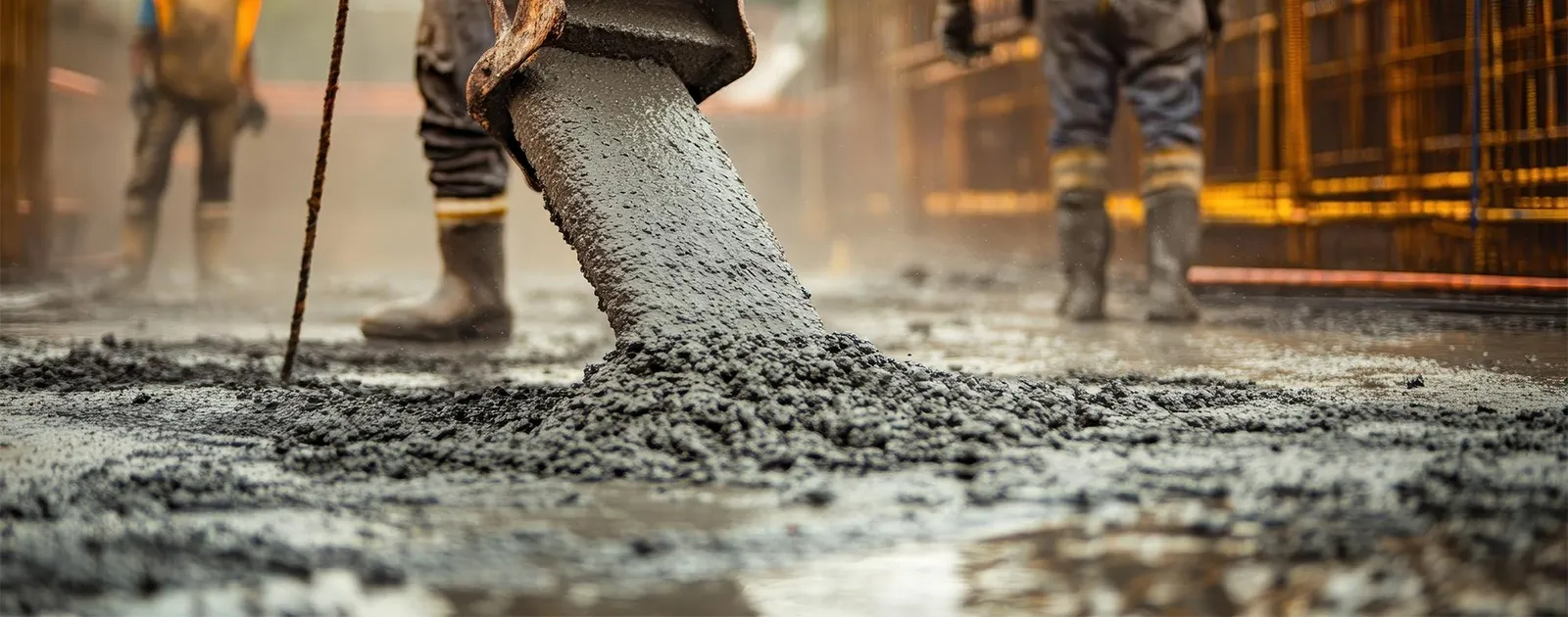
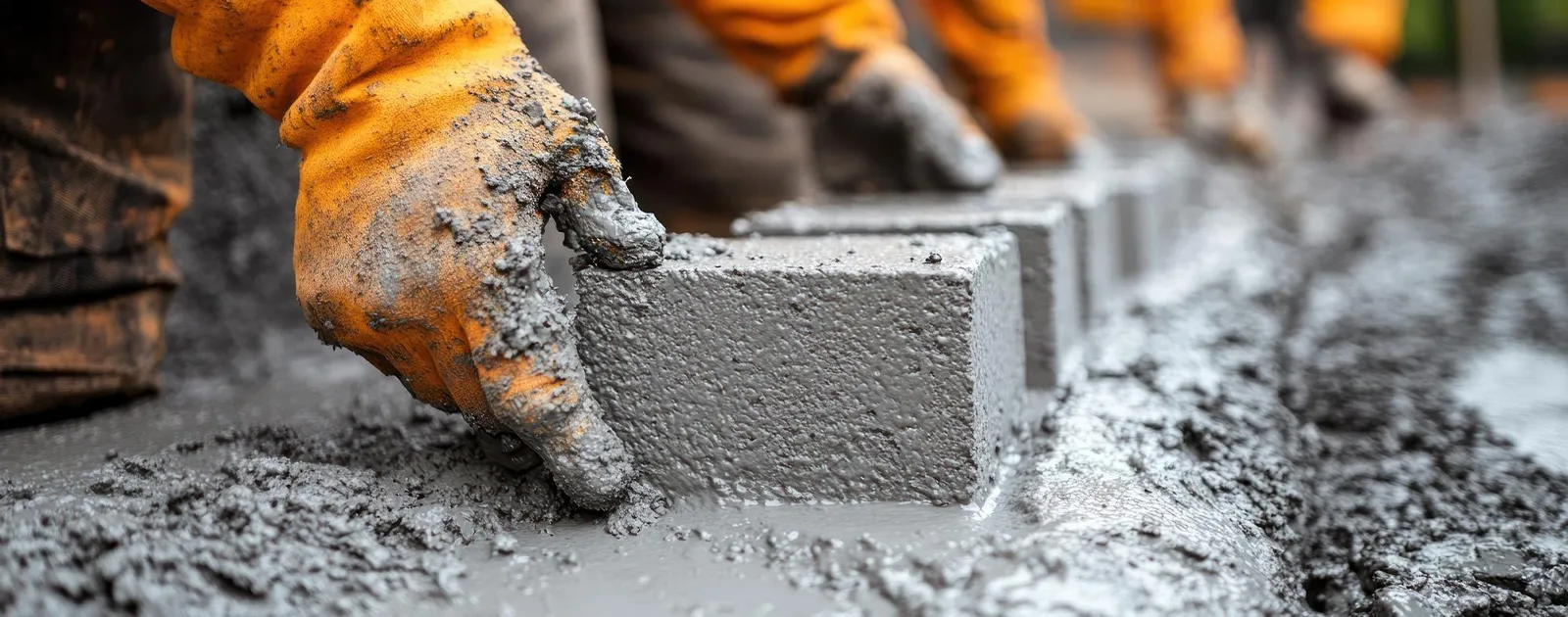
Setting Time of Cement: Initial vs Final Setting Explained (In Simple Words)

Setting Time of Cement: Initial vs Final Setting Explained (In Simple Words)

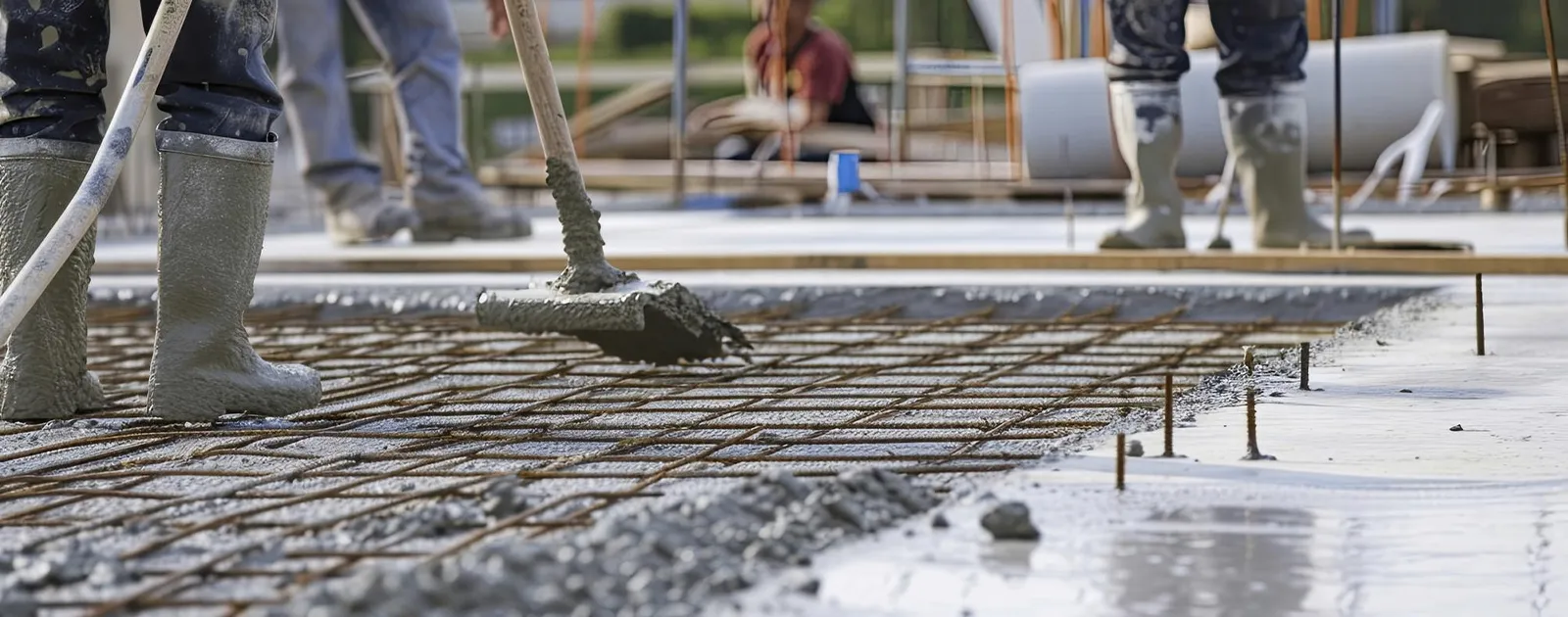
When we talk about strong construction, we usually focus on cement quality, mix ratio, or curing. But one very important factor that many people ignore is the setting time of cement.  If you are a contractor, engineer, dealer, or even a homeowner building your house, understanding the difference between initial setting time and final setting time of cement can help you avoid cracks, weak bonding, and long-term structural problems.  Let’s understand it in a simple and practical way.  What is Setting Time of Cement?  When water is added to cement, a chemical reaction called hydration starts. The cement paste slowly changes from a soft, workable state to a hard mass.  This transformation happens in two stages:  Both are important for good construction.  What is Initial Setting Time?  The initial setting time is the time between adding water to cement and the moment when the paste starts becoming stiff.  Why is it important?  This is the working time available for:  As per standards, the initial setting time should not be less than 30 minutes.  If cement sets too quickly:  So, proper initial setting time ensures smooth construction work.  What is Final Setting Time?  The final setting time is the stage when cement completely loses its plasticity and becomes hard.  As per standards, it should not exceed 600 minutes (10 hours).  After this stage:  Final setting time tells us when the cement has hardened enough to resist pressure.  Difference Between Initial and Final Setting Time  Point  Initial Setting Time  Final Setting Time  Meaning  Cement starts to stiffen  Cement becomes hard  Time Limit  Minimum 30 minutes  Maximum 10 hours  Purpose  Allows workability  Indicates hardening stage  Importance  For mixing & placing  For structural stability  What Affects Cement Setting Time?  Several factors can change how fast or slow cement sets:  1️ Temperature  Hot weather makes cement set faster. Cold weather slows down the setting process.  2️ Water-Cement Ratio  Too much water can delay setting but reduce strength.  3️ Type of Cement  4️ Weather & Humidity  In rainy or humid regions, hydration behavior may vary slightly.  5️ Admixtures  Certain chemicals are added to speed up or slow down setting when required.  Why Setting Time Matters for Long-Term Strength  If cement sets too early or too late:  Correct setting time ensures: ✔ Proper compaction ✔ Strong bonding ✔ Crack resistance ✔ Better durability  Frequently Asked Questions (FAQs)  1. What is the minimum initial setting time of cement?  The minimum initial setting time should be 30 minutes.  2. What is the maximum final setting time?  It should not exceed 600 minutes (10 hours).  3. Why is initial setting time important in construction?  It gives workers enough time to mix, transport, place, and finish concrete properly.  4. Does weather affect cement setting time?  Yes. High temperatures speed up setting, while low temperatures slow it down.  5. Which cement sets faster, OPC or PPC?  OPC usually sets faster than PPC.  6. What happens if cement sets too fast?  It can lead to improper compaction, cracks, and reduced strength. 

Read More (...)

Slab Casting Techniques: Precast vs. Cast-in-Situ – Which is Better? 

For builders, slab casting is not just a structural decision. It is a cash-flow decision, labor decision, risk decision, and timeline decision.  The debate between precast and cast-in-situ is often framed as “modern vs traditional.” In reality, it is about control vs flexibility.  The smarter question is:  Which method reduces execution uncertainty on your specific project?  Let’s examine this from a builder’s operational perspective.  The Core Difference: Where Do You Want Your Risk?  With cast-in-situ, risk lives on your site. With precast, risk shifts to manufacturing and logistics.  Every project must decide where it can better manage uncertainty.  1. Schedule Compression vs Schedule Flexibility  Cast-in-Situ: Sequential Progress  On-site pre cast slab casting requires:  Every slab cycle consumes time. If curing or weather delays occur, downstream activities stall.  This method suits projects where:  Precast: Parallel Execution  With precast systems:  For developers working with:  Precast allows better schedule predictability.  Commercial Insight: If time directly affects revenue realization, precast often delivers stronger financial outcomes despite higher unit cost.  2. Labour Dependence vs Mechanised Control  Labour volatility is now a major project risk.  Cast-in-Situ Depends Heavily on:  Quality fluctuates with workforce stability.  In high-labour-turnover markets, this introduces execution variability.  Precast Depends on:  Once panels arrive, manpower need is lower and more specialized.  Builder Advantage: In regions with unpredictable labour supply, precast reduces workforce risk exposure.  3. Cash Flow Pattern: Gradual Spend vs Front-Loaded Spend  Cash flow strategy matters significantly for developers.  Cast-in-Situ Model  Good for projects with staggered funding.  Precast Model  Good for capital-backed or financed projects aiming for early completion.  Financial View: Precast shifts cost forward but reduces project duration carrying cost.  4. Quality Consistency vs Site Variability  Concrete performance depends on batching accuracy and curing discipline.  Cast-in-Situ Risk Points  Even with good dhalai cement, poor site practices reduce performance.  Precast Quality Edge  For commercial buildings, parking decks, malls, and institutional projects where tolerance matters, precast offers structural consistency.  Execution Insight: If your project cannot afford slab-level performance variation, factory control reduces uncertainty.  5. Weather Sensitivity  Builders working in high rainfall or extreme temperature zones understand this risk well.  Cast-in-Situ Challenges  Precast Advantage  In high-moisture zones, site casting introduces unpredictability. Precast can stabilize schedule performance.  6. Structural Integration & Flexibility  Where cast-in-situ still dominates is adaptability.  Cast-in-Situ Allows:  Precast requires early design freeze and precise coordination.  If your project is architecturally fluid or frequently modified, cast-in-situ offers greater flexibility.  7. Logistics & Crane Economics  Precast is crane-driven construction.  Before selecting precast, evaluate:  In dense urban cores or remote rural areas with transport constraints, cast-in-situ often becomes more practical.  8. Lifecycle Maintenance Implications  Builders focusing on long-term asset holding should consider:  Precast systems require proper joint detailing. Poor joint execution can become future leakage points.  Cast-in-situ slabs, if executed well, offer monolithic continuity.  Durability decision depends heavily on execution quality in both methods.  Cement Strategy Still Matters in Both Methods  Whether precast or cast-in-situ, cement selection directly affects slab performance.  For pre cast slabs, reliable dhalai cement quality and curing discipline determine performance.  For precast plants, consistent cement supply ensures uniform batch quality.  Cement compliance with BIS standards and ISI marking remains non-negotiable in both systems.  A Builder’s Decision Framework  Before choosing slab casting technique, evaluate:  If schedule risk is your biggest threat, precast reduces uncertainty. If flexibility and lower upfront commitment matter more, cast-in-situ remains viable.  Strategic Perspective for Developers  Precast is not “better.” Cast-in-situ is not “outdated.”  They serve different risk models.  The right choice aligns with your financing structure, project scale, labour environment, and market pressure.  Builders who evaluate slab casting through a commercial risk lens — not just structural comparison — consistently deliver stronger project outcomes.  FAQ 1: Which slab casting method is better for residential homes?  For most homes, cast-in-situ slabs are preferred because they allow flexible design and strong integration with the structure. Amrit Cement OPC is commonly used for such slab casting to ensure proper strength and bonding.  FAQ 2: When is precast slab casting more suitable?  Precast slabs are suitable for large-scale or repetitive projects where speed and uniformity matter. Contractors choose this method to reduce on-site labor and construction time. High-quality cement like Amrit Cement ensures durability in precast elements.  FAQ 3: Does slab casting method affect construction cost?  Yes. Precast can reduce labor costs but requires factory setup. Cast-in-situ may take longer but offers flexibility. Choosing the right cement, like Amrit Cement OPC, ensures structural strength regardless of method.  FAQ 4: Which method provides better structural strength?  Both methods can provide strong results if proper materials and curing are used. The quality of cement plays a major role. Amrit Cement ensures consistent performance in both slab casting techniques.  FAQ 5: How important is curing in slab casting?  Curing is critical for strength development and crack prevention. Even the best cement requires proper curing. Amrit Cement delivers reliable performance when standard curing practices are followed, ensuring durable slabs. 

Read More (...)

How to Increase the Life of Concrete Structures in Rainy Regions

Complete Guide for Long-Lasting Construction in Humid & High Rainfall Areas Concrete structures in rainy and humid regions face constant exposure to moisture, water seepage, and temperature variation. Without proper precautions, this can lead to cracks, corrosion of steel reinforcement, damp walls, and reduced structural strength.  If you are building in high rainfall areas like Northeast India, understanding how to increase the life of concrete structures in rainy regions is essential for durability and cost savings.  This SEO-friendly guide explains practical, engineer-recommended steps to protect your structure and ensure long-term performance.  Why Concrete Structures Deteriorate Faster in Rainy Areas  Concrete is naturally porous. In heavy rainfall zones:  Preventive measures during construction can increase durability by decades.  1️ Select the Right Cement for Humid Climate  Choosing the correct cement is the foundation of durable construction.  Why PPC Cement is Recommended:  For rainy regions, cement with strong bonding and moisture resistance performs better over time.  2️ Maintain Proper Water-Cement Ratio  One of the biggest construction mistakes is adding excess water.  Ideal Water-Cement Ratio:  0.40 to 0.50  Too much water:  Accurate mix proportion ensures dense and strong concrete.  3️ Ensure Proper Curing  Curing is critical for strength development.  Recommended Curing Duration:  In rainy regions:  Proper curing significantly increases concrete life.  4️ Apply Waterproofing Solutions  To prevent seepage and leakage:  Waterproofing prevents:  5️ Provide Proper Concrete Cover to Reinforcement  Steel bars must have adequate concrete cover (25–40 mm as per design).  Insufficient cover leads to:  Proper cover protects reinforcement from moisture.  6️ Use High-Quality Raw Materials  Durability depends on quality.  Ensure:  Low-quality materials shorten structure lifespan.  7️ Provide Proper Drainage & Roof Slope  Even the best concrete fails if water stagnates.  Good drainage prevents long-term damage.  Benefits of Following These Steps  ✔ Increased structural lifespan ✔ Reduced repair and maintenance cost ✔ Better moisture resistance ✔ Stronger bonding and durability ✔ Protection against corrosion  Frequently Asked Questions (FAQs)  1. Which cement is best for rainy regions?  Cement with high durability and moisture resistance, such as PPC-based cement, is generally recommended for humid and high rainfall areas.  2. How can I protect concrete from rain damage?  Maintain proper mix ratio, ensure adequate curing, apply waterproofing, and provide good drainage.  3. Does rain damage freshly poured concrete?  Yes. Heavy rain can wash away surface cement paste if the concrete has not set properly.  4. How to prevent roof leakage during heavy rainfall?  Use waterproofing compounds, maintain proper slope, and seal cracks immediately.  5. What is the ideal curing time in humid areas?  At least 10–14 days is recommended for better strength and durability.  6. How to increase the lifespan of buildings in flood-prone areas?  Use moisture-resistant cement, ensure proper curing, apply waterproofing, and design effective drainage systems.  Conclusion  Increasing the life of concrete structures in rainy regions is not difficult if the right construction practices are followed. Proper cement selection, correct mix ratio, effective curing, waterproofing, and drainage planning are the key pillars of long-lasting construction.  For strong bonding, superior durability, and reliable performance in humid and high rainfall conditions, choose Amrit Cem — designed to deliver strength that stands the test of time.  Build Strong. Build Durable. Build with Amrit Cem. 

Read More (...)

Cement Factory in Northeast: Why Amrit Cement is Leading in Meghalaya & Assam 

In Northeast India, cement is not just a building material—it is a high-volume, high-rotation trade product. For dealers, success depends on three things: consistent dispatch, stable demand, and predictable profitability.  That is why searches like cement factory in Meghalaya, cement plant in Assam, or cement company in Guwahati are increasing. Dealers and bulk buyers are no longer comparing brands only on pricing. They are evaluating the bigger commercial picture:  In this context, Amrit Cement has emerged as one of the most preferred cement brands across Meghalaya and Assam—supported by strong regional manufacturing and a dealer-friendly distribution approach.  Why Cement Manufacturing Location Matters for Dealers  For a dealer, the biggest risk is not slow sales. The biggest risk is supply disruption.  When cement is sourced from distant plants outside the Northeast, dealers face common issues such as:  A cement factory located within the region directly reduces these trade risks. Meghalaya, in particular, is strategically positioned to supply key markets like:  This advantage becomes even more important during high-demand months when contractors demand immediate delivery and dealers are expected to keep inventory ready.  Supply Security That Dealers Need  Amrit Cement’s plant at Umlaper in Jaintia Hills, Meghalaya strengthens its ability to serve Assam and surrounding markets with greater predictability.  For dealers, this translates into clear commercial benefits:  Amrit Cement’s production capacity, supported by infrastructure like captive power, helps reduce interruptions that typically impact manufacturing-based supply chains.  For dealers, this is not just operational strength—it is business continuity.  What Dealers Actually Look for in a Cement Brand  Most dealer decisions are not emotional. They are operational.  A cement brand becomes a dealer’s first preference only if it supports the trade realities of the Northeast.  1. Predictable Dispatch and Delivery Commitments  Dealers lose credibility when deliveries get delayed. Contractors and builders shift immediately to alternative brands if material does not arrive on time.  Amrit Cement’s strong regional network helps dealers maintain stable stock flow, which directly improves dealer trust in the market.  2. Faster Inventory Movement (High Rotation Matters More Than High Margin)  In cement dealership, inventory rotation is everything.  Even if a brand gives slightly higher margin, slow movement can block working capital. Dealers prefer brands that sell consistently because:  Amrit Cement has built demand traction in Meghalaya and Assam markets, supporting faster turnover for many dealers.  3. Reduced Freight Pressure and Price Volatility  In the Northeast, cement pricing is heavily influenced by freight costs. During monsoon and fuel fluctuations, dealers face unpredictable landed cost changes.  Local manufacturing reduces transport dependence, which helps stabilize supply economics.  A cement company in Guwahati also reduces the chances of sudden price jumps caused by long-haul logistics disruptions.  For dealers, stable landed cost means:  4. Consistency in Product Quality Means Fewer Complaints  Dealer reputation is linked to product performance.  When cement quality varies, dealers face:  Amrit Cement’s focus on quality control and production consistency helps dealers reduce these post-sale issues.  In cement trade, fewer complaints often matter more than promotional schemes.  Why Dealers in Assam Prefer Strong Regional Cement Brands  Dealers in Assam operate in a market where:  National brands may have strong reputation, but when the supply route is long, dealers face frequent challenges such as:  Regional manufacturing solves these issues faster.  This is where Amrit Cement gains an edge: it combines the advantage of a regional manufacturing base with wide market penetration across Assam and Meghalaya.  Why Availability Wins More Market Than Advertising  Cement sales are often demand-driven by masons and contractors. At the dealer level, the most common buying behavior is simple:  If the product is available today, it sells. If the product is unavailable, the customer switches.  That is why consistent availability is a major reason Amrit Cement continues to strengthen its dealer presence.  For dealers, better availability creates:  Why Amrit Cement Has Market Leadership Momentum  Amrit Cement’s growing preference in Meghalaya and Assam is driven by the combination of:  This makes Amrit Cement not just a supplier, but a practical trade partner for dealers who want stability in a competitive cement market.  Practical Dealer Tips Before Choosing a Cement Company  If you are a cement dealer in Assam or Meghalaya, these are the checks that matter before committing to a brand:  Evaluate Dispatch Reliability  Ask distributors about dispatch lead time during peak season, not off-season.  Compare Landed Cost, Not Dealer Price  The real margin is determined after freight, unloading, and seasonal surcharges.  Check Stock Freshness and Packaging Strength  Moisture exposure is a major risk in the Northeast. Packaging durability matters for storage safety.  Assess Demand Pull in Your Local Market  A brand that already has mason and contractor preference reduces your selling effort.  Plan Inventory Based on Rain Season  In the Northeast, the best dealers plan their cement stock ahead of monsoon demand fluctuations.  Dealers Need a Cement Partner, Not Just a Brand  For dealers in Assam and Meghalaya, cement is not about choosing the biggest name. It is about choosing the most reliable cement plant in Assam system.  A cement company with regional manufacturing strength, stable dispatch, and market demand can help dealers:  That is why Amrit Cement continues to strengthen its position as a leading cement brand across Meghalaya and Assam.  For the Northeast dealer market, a cement factory in Meghalaya backed by strong distribution is not just an advantage—it is a long-term business edge.  FAQ 1: Why does local cement manufacturing matter in the Northeast?  Local manufacturing ensures faster supply, lower transport costs, and fresher cement. Amrit Cement’s presence in Meghalaya and Assam helps maintain consistent supply across the Northeast, benefiting contractors and dealers with timely deliveries.  FAQ 2: How does Amrit Cement support regional construction growth?  Amrit Cement contributes to infrastructure and housing growth by providing reliable, quality cement suited to regional climate conditions. Its strong distribution network supports dealers and contractors across the Northeast.  FAQ 3: Does climate in the Northeast affect cement choice?  Yes. High rainfall and humidity demand durable cement. Our cement is designed to perform well in such conditions, offering strength and resistance to moisture-related damage.  FAQ 4: Why do contractors in Assam and Meghalaya trust Amrit Cement?  Contractors value consistent strength, reliable supply, and brand reputation. Amrit Cement’s quality control and regional presence make it a dependable choice for residential and infrastructure projects.  FAQ 5: How does local production benefit dealers?  Dealers benefit from steady supply, reduced logistics delays, and competitive pricing. Amrit Cement’s regional manufacturing

Read More (...)

How to Choose the Best Cement for Plastering: A Complete Guide 

Plaster is the most visible part of your home. It is also the most blamed layer when cracks, damp patches, or peeling paint appear.  Yet many Individual Home Builders choose plastering cement as an afterthought. The usual approach is:  “Use whatever cement is available on site.”  That shortcut often becomes expensive later.  If you want smooth walls, fewer cracks, and long-term finish stability, cement selection for plaster needs separate attention from RCC work.  Plaster Is Not Structural — But It Is Critical  Plaster does three major jobs:  Unlike concrete, plaster does not require extreme early strength. What it needs is:  Using the wrong cement type can cause:  These issues are costly to repair because plaster problems are visible and disruptive.  Why High Strength Is Not the Priority in Plastering  Many people assume higher grade cement automatically means better plaster.  That is not always true.  Plaster performance depends more on:  Cement that generates excessive heat can increase surface cracking. Cement that demands very tight curing discipline can create weak spots if supervision is poor.  For plaster, balance matters more than strength numbers.  The Real Advantage of PPC in Plastering  In most residential projects, PPC tends to perform better for plastering than OPC.  Here’s why:  1. Lower Heat of Hydration  Lower heat reduces shrinkage stress. This directly reduces crack formation.  2. Better Workability  PPC generally mixes smoother with sand. Masons prefer it because it spreads easily and improves surface uniformity.  3. Improved Micro-Density  Over time, pozzolanic reactions help fill microscopic pores. This reduces water absorption and damp penetration.  4. More Forgiving During Curing  PPC is less aggressive in early hydration, making it slightly more forgiving when curing supervision is inconsistent.  For IHBs building in humid or high-rainfall regions, these advantages become more meaningful.  When OPC May Still Be Used for Plaster  OPC is not unsuitable. It simply requires tighter control.  You may consider OPC for plaster if:  However, if plaster cracks are a common issue in your region, PPC is often the safer choice.  Surface Cracks: The Hidden Cost Factor  Many home owners repaint walls within 3–5 years due to:  Plaster failure increases:  The difference of a few rupees per bag becomes insignificant compared to repeated repair cycles.  When selecting plaster cement, think in terms of 10-year performance, not 30-day cost.  Workability Affects Labour Productivity  Better workability means:  If masons struggle with mix consistency, uneven spreading increases labour hours.  In practical terms, smoother workability can reduce total plastering cost even if cement price per bag is slightly higher.  This is why many experienced contractors prefer blended cement for finishing work.  Regional Climate Should Influence Your Decision  Plaster is directly exposed to environment.  In high rainfall and humidity zones:  In dry regions:  Before finalising cement type, consider:  Cement should match your climate, not just your supplier’s recommendation.  Brand Selection: What Actually Matters  Many buyers search for “best cement for plaster” expecting a ranked list.  In reality, performance depends on:  In regions like Northeast India, freight cost and availability can significantly affect total project cost.  A locally well-distributed brand with consistent supply may offer more practical value than a national brand with high transport cost.  Instead of asking “Which brand is best?” ask:  Reliability reduces delays. Delays increase cost.  Common Mistakes IHBs Make During Plastering  Each of these can compromise plaster durability.  Practical Selection Framework for IHBs  Before purchasing cement for plastering, ask:  If durability, finish, and moisture resistance are priorities, PPC generally offers a balanced solution.  If climate is controlled and curing supervision is strict, OPC can also perform adequately.  A Smarter Material Strategy  Many experienced site engineers adopt a layered approach:  This strategy aligns cement type with performance requirement rather than using one cement for everything.  It improves finish quality without compromising structure.  Final Perspective  Choosing the top 10 cement for plastering is not about brand popularity or grade numbers.  It is about:  Plaster is the skin of your home. If it fails, the damage is visible.  Make the decision based on environment, supervision capability, and long-term performance — not just bag price.  FAQ 1: What type of cement is best for plastering walls?  For plastering, PPC is generally preferred because it provides better workability and smoother finish. It also reduces cracks over time. Amrit Cement PPC offers good bonding and easy spreading, making it suitable for interior and exterior plaster work.  FAQ 2: Why does plaster sometimes crack after drying?  Cracks can occur due to poor cement quality, improper curing, or incorrect mix ratio. Using consistent, high-quality cement like Amrit Cement reduces shrinkage and improves durability. Proper curing is also essential to prevent surface cracks.  FAQ 3: Does cement quality affect wall finishing?  Yes. Good quality cement ensures smooth texture and better paint finish. Amrit Cement provides uniform fineness, which helps achieve even plastering and reduces surface defects, improving overall appearance.  FAQ 4: How important is water-cement ratio in plastering?  Maintaining the correct water-cement ratio is crucial. Too much water weakens plaster, while too little makes it difficult to apply. With Amrit Cement’s consistent quality, contractors can maintain proper ratios for better strength and finish.  FAQ 5: Can poor plastering increase long-term repair costs?  Yes. Weak plaster leads to peeling, cracks, and dampness issues. Using reliable cement like Amrit Cement reduces maintenance costs and improves wall durability, protecting the building’s value. 

Read More (...)

OPC vs PPC Cement: Which One Should You Choose for Your Construction? 

Most comparisons of OPC vs PPC cement stop at “early strength vs durability.” But that’s not how real construction decisions are made on site.  For an Individual Home Builder (IHB), the better question is:  Which cement reduces your long-term risk — not just your construction time?  Let’s look at the practical realities that actually influence your home’s performance.  The Real Question Is Not OPC vs PPC  It’s Speed vs Stability  When contractors push for OPC, the hidden reason is usually speed. Faster strength gain means:  But here’s what many IHBs miss:  Speed benefits the contractor more than the homeowner.  PPC, on the other hand, rewards patience. Its slower hydration creates a denser concrete matrix, which improves:  If your house is meant to last 30–40 years, stability matters more than 5 days of saved construction time.  Heat Generation: The Silent Structural Factor  Cement doesn’t just “set.” It generates heat while hydrating.  OPC produces higher heat of hydration. In large pours (like slabs and footings), this internal heat can:  PPC 43 grade cement generates lower heat. This makes it more suitable for:  For IHBs building in warm or humid regions, this difference is more important than grade numbers.  The Curing Discipline Reality  On paper, OPC performs extremely well. On site, curing discipline is rarely perfect.  OPC demands strict curing because:  PPC is more forgiving. Its slower strength gain reduces early shrinkage stress.  If you cannot monitor curing daily, PPC gives you a margin of safety.  Plaster Performance: Where Many Homes Fail  Many surface cracks in homes do not originate in RCC. They begin in plaster layers.  PPC generally provides:  If your priority is long-term wall stability and aesthetics, PPC has an advantage in masonry and plastering works.  Long-Term Seepage Resistance  Seepage repair is one of the most expensive post-construction issues.  PPC’s pozzolanic reaction fills microscopic pores inside concrete over time. PPC cement grade reduces permeability and improves resistance to:  In high rainfall zones or regions with waterlogged soil, this becomes a decisive factor.  Financial Thinking Beyond Cement Price  Many IHBs compare only bag price.  But cement choice affects:  If PPC reduces even one major repair cycle, the lifetime savings can exceed the initial price difference.  The smarter metric is not price per bag — it is cost per decade.  Where OPC Still Makes Strong Sense  OPC remains highly effective when:  For beams, columns, and slabs under timeline pressure, OPC can be justified.  The Balanced Strategy Most Engineers Prefer  Instead of treating opc vs ppc cement as a battle, experienced site engineers often use a mixed strategy:  This approach balances speed, durability, and surface performance.  Regional Conditions Matter More Than Brand  In high-moisture regions such as the Northeast, humidity and rainfall influence cement performance significantly.  In such conditions:  become more important than early compressive strength.  Before choosing cement type, assess:  Cement should match site reality — not just contractor preference.  A Practical IHB Decision Framework  Ask these five questions before choosing:  If most answers favour durability and risk reduction, PPC is typically safer. If speed and early strength dominate your priorities, OPC becomes logical.  Final Perspective  OPC vs PPC cement is not about which cement is stronger on day 7.  It is about which cement aligns with:  For most individual home builders focused on durability and reduced future repair costs, PPC often provides a practical advantage.  For timeline-driven structural execution, OPC remains relevant.  The best decision is not emotional, not brand-driven, and not contractor-driven. It is a risk-adjusted decision based on how you want your home to perform over decades.  FAQ 1: As a home owner, how do I decide between OPC and PPC?  If you want faster construction and early strength, OPC is a good choice. If you prefer long-term durability and reduced cracks, PPC is better. For residential homes, many builders prefer PPC for its smoother finish and durability. Amrit Cement offers both OPC and PPC, helping you choose based on your construction stage and structural needs.  FAQ 2: Why do contractors use OPC for structural work?  Contractors prefer OPC for columns, beams, and slabs because it gains strength quickly. This allows faster shuttering removal and quicker project progress. Amrit Cement OPC provides consistent strength and reliable bonding with steel, making it suitable for RCC work where timelines matter.  FAQ 3: Is PPC more economical for long-term construction?  Yes, PPC often reduces long-term maintenance costs because it improves durability and reduces cracking. It performs well in plastering and masonry work. Amrit Cement PPC offers strong resistance to moisture and better finish quality, making it cost-effective over the building’s lifespan.  FAQ 4: Does choosing the wrong cement affect project cost?  Absolutely. Using OPC where PPC is more suitable—or vice versa—can cause cracks, delays, or rework. Amrit Cement helps contractors and home owners select the right cement type to avoid performance issues and unnecessary expenses.  FAQ 5: Can I use both OPC and PPC in the same project?  Yes. Many contractors use OPC for structural work and PPC for plastering and brickwork. Amrit Cement provides both types to ensure every stage of construction gets the right strength and durability. 

Read More (...)
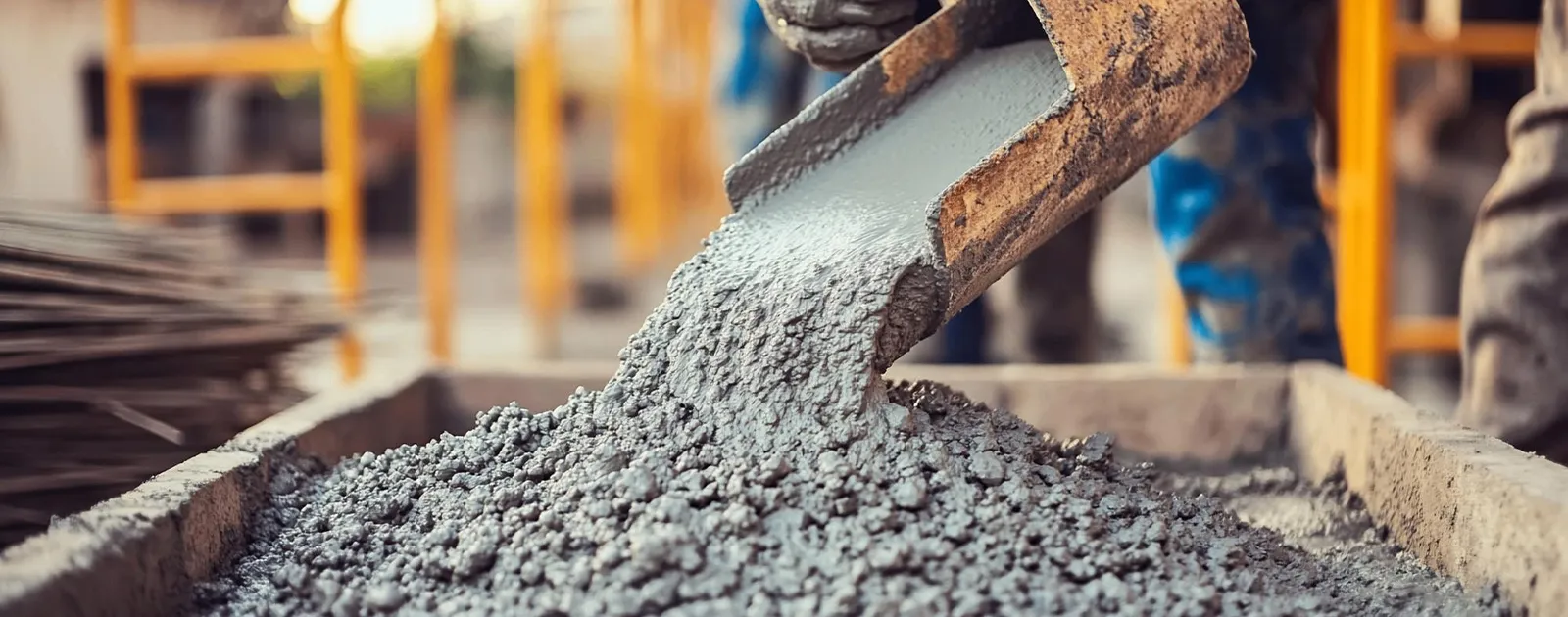
Concrete being poured at a construction site, helping first-time home builders understand proper cement use with Amrit Cement.

Cement Buying Guide for First-Time Home Builders: What You Must Know

Building your first home is an exciting milestone, but it also comes with important decisions — one of the most critical being choosing the right cement. Cement directly affects the strength, durability, and safety of your house, so making the right choice from the start is essential.  This cement buying guide for first-time home builders will help you understand what to look for, common mistakes to avoid, and how to ensure long-lasting construction.  Why Choosing the Right Cement Matters  Cement acts as the binding material that holds your entire structure together — from foundation to roof. Poor-quality or unsuitable cement can lead to:  For first-time builders, selecting the right cement ensures peace of mind and protects your long-term investment.  Types of Cement You Should Know  Ordinary Portland Cement (OPC)  Portland Pozzolana Cement (PPC)  👉 For most residential projects, PPC is preferred due to its durability and crack resistance.  How to Choose the Best Cement for Your Home  When buying cement, keep these factors in mind:  1. Strength & Quality  Always choose ISI-marked, branded cement that meets quality standards.  2. Freshness of Cement  Check the manufacturing date. Fresh cement ensures better strength and bonding.  3. Storage Conditions  Cement should be stored in dry conditions. Avoid bags that are hard or lumpy.  4. Local Climate  In areas with high rainfall or humidity, cement with better moisture resistance performs better.  5. Trusted Brand  Choose a brand with a proven track record and strong local presence.  Common Mistakes First-Time Builders Make  Avoiding these mistakes can save you from structural issues later.  How Much Cement Do You Need?  Cement requirement depends on:  Consult your engineer or contractor for accurate quantity estimation to avoid wastage or shortage.  Tips for Buying Cement Smartly  Conclusion  For first-time home builders, buying the right cement is one of the smartest investments you can make. Understanding cement types, quality indicators, and proper storage ensures your home stands strong for decades.  Choose wisely, follow expert guidance, and build your dream home with confidence.  FAQs: Cement Buying Guide for First-Time Home Builders  Q1. Which cement is best for building a house?  For residential construction, PPC is commonly preferred due to better durability, while OPC is used for RCC work requiring higher early strength.  Q2. How can I check cement quality before buying?  Look for ISI marking, manufacturing date, proper packaging, and ensure there are no lumps in the bag.  Q3. Is expensive cement always better?  Not necessarily. Choose cement based on quality standards, performance, and suitability for your construction needs.  Q4. Can I use the same cement for foundation and roof?  Yes, high-quality cement can be used throughout the structure, provided it meets strength and durability requirements.  Q5. How long can cement be stored?  Cement should ideally be used within 3 months of manufacturing if stored properly in dry conditions. 

Read More (...)
Cement applied over reinforced blocks during construction, illustrating the mixing to setting process of cement by Amrit Cement.

From Mixing to Setting: Cement Explained Step by Step 

Cement plays a critical role in construction, but many people don’t fully understand what happens from mixing to final setting. Knowing this process helps ensure stronger concrete, fewer cracks, and longer-lasting structures.  In this blog, we explain how cement works from mixing to setting, why each stage matters, and how proper practices can significantly improve construction quality.  What Happens When Cement Is Mixed with Water?  Cement on its own is a fine powder. The moment water is added, a chemical reaction called hydration begins. This reaction is what gives cement its strength.  During mixing:  Correct water quantity is crucial. Too much water reduces strength, while too little makes the mix unworkable.  The Mixing Stage: Getting the Right Consistency  Proper mixing ensures uniform strength throughout the structure.  Key mixing guidelines:  Good mixing leads to better bonding and improved durability.  Initial Setting of Cement: When Stiffness Begins  The initial setting time is when the cement paste starts losing its plasticity and becomes stiff.  Typically:  Delays during this phase can cause cold joints and weak bonding between layers.  Final Setting: Cement Gains Shape and Strength  The final setting time is when cement completely hardens and can hold its shape.  At this stage:  Final setting does not mean full strength — strength continues to develop over time.  Strength Development After Setting  Cement continues to gain strength well beyond setting.  Strength development timeline:  This is why curing is essential after setting.  Importance of Curing After Setting  Curing maintains moisture in concrete so hydration continues properly.  Effective curing:  Common curing methods include water ponding, wet coverings, and curing compounds.  Common Mistakes to Avoid  Avoiding these mistakes ensures stronger and more reliable concrete.  Conclusion  From mixing to setting, every stage of cement behavior plays a vital role in construction quality. Proper mixing, timely placement, correct setting, and adequate curing are the foundations of strong, durable structures.  Understanding this process helps builders and homeowners make informed decisions — ensuring that what they build today remains strong for years to come.  FAQs: Cement Mixing and Setting Explained  Q1. What is hydration in cement?  Hydration is a chemical reaction between cement and water that causes cement to harden and gain strength.  Q2. How long does cement take to set?  Initial setting usually begins within 30–60 minutes, while final setting may take several hours, depending on cement type and weather.  Q3. Can cement set without curing?  Cement may set, but without curing it will not achieve full strength and may develop cracks.  Q4. Does adding more water make concrete stronger?  No. Excess water reduces strength and increases the risk of cracks.  Q5. When does cement reach full strength?  Concrete achieves most of its design strength in 28 days, with continued strength gain over time. 

Read More (...)
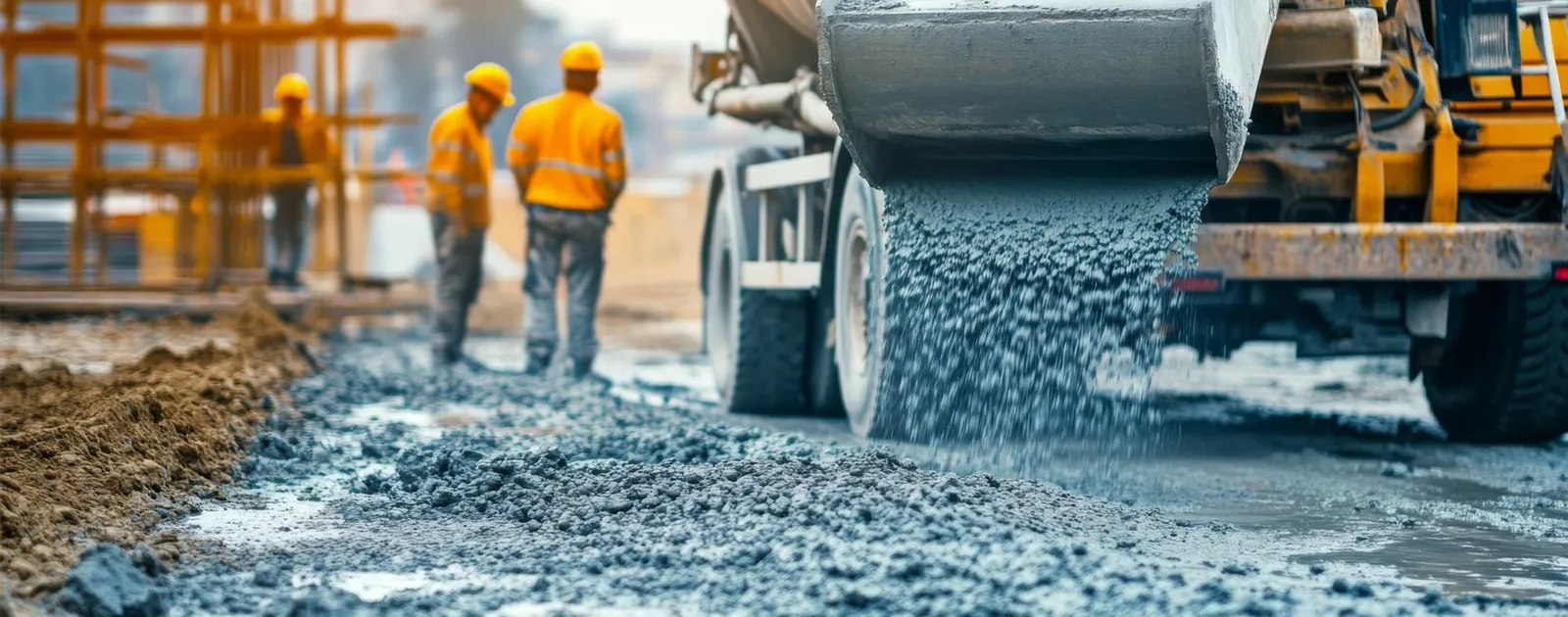
Concrete being poured at a construction site, symbolizing unmatched strength and reliability trusted by Amrit Cement Champions.

Champion’s Choice: Why Amrit Cement Champion’s Never Compromise on Their Strength

In construction, strength is not a choice — it’s a commitment. Whether it’s building a home, a commercial project, or critical infrastructure, true champions never compromise on quality. That’s why Amrit Cement is the Champion Choice for builders who believe in long-lasting strength, durability, and trust.  This blog explains why champions choose Amrit Cement, how it delivers superior performance, and why compromising on cement quality can cost more in the long run.  Strength Is the Foundation of Every Champion’s Build  Every strong structure begins with strong cement. In regions like the North East, where weather conditions are challenging and terrain is complex, the margin for error is zero.  Using low-grade cement may seem economical at first, but it often leads to:  Champions think long term — and that’s where Amrit Cement stands apart.  What Makes Amrit Cement the Champion Choice?  Amrit Cement is engineered to deliver consistent strength from foundation to roof, making it the preferred choice of experienced engineers, contractors, and homeowners.  Key Strength Advantages:  Champions don’t gamble with strength — they choose certainty.  Champions Build for the Long Run, Not Short-Term Savings  A true champion understands that compromising on cement quality can weaken the entire structure. Amrit Cement helps ensure:  Choosing Amrit Cement means choosing peace of mind and structural confidence.  Trusted by Builders Who Believe in Strength  Amrit Cement has earned the trust of:  Its consistent quality and strong regional presence make it a dependable partner for projects of all sizes.  Because champions are known by the strength of what they build.  Why “Champion’s Never Compromise” Is More Than a Line  This philosophy reflects the mindset of builders who:  Amrit Cement aligns perfectly with this mindset — delivering performance that matches ambition.  Conclusion: Build Like a Champion  Champions are remembered not just for winning, but for building something that lasts.  When it comes to construction, strength is non-negotiable. That’s why Amrit Cement is the Champion Choice for those who never compromise on quality, durability, or performance.  Build with confidence. Build with strength. Build with Amrit Cement.  FAQs: Champion’s Choice – Amrit Cement  Q1. Why is Amrit Cement called the Champion’s Choice?  Because it delivers consistent strength, durability, and reliability — the key qualities that champions demand in construction.  Q2. Is Amrit Cement suitable for all types of construction?  Yes. It is suitable for residential, commercial, and infrastructure projects, from foundation to roof.  Q3. How does Amrit Cement help prevent cracks?  Its superior fineness and bonding properties ensure uniform concrete strength and reduce shrinkage cracks.  Q4. Can Amrit Cement perform well in high rainfall areas?  Absolutely. Amrit Cement is designed to perform effectively in humid and heavy rainfall conditions, making it ideal for regions like the North East.  Q5. Does using premium cement increase construction cost?  While premium cement may cost slightly more upfront, it significantly reduces long-term repair and maintenance costs. 

Read More (...)
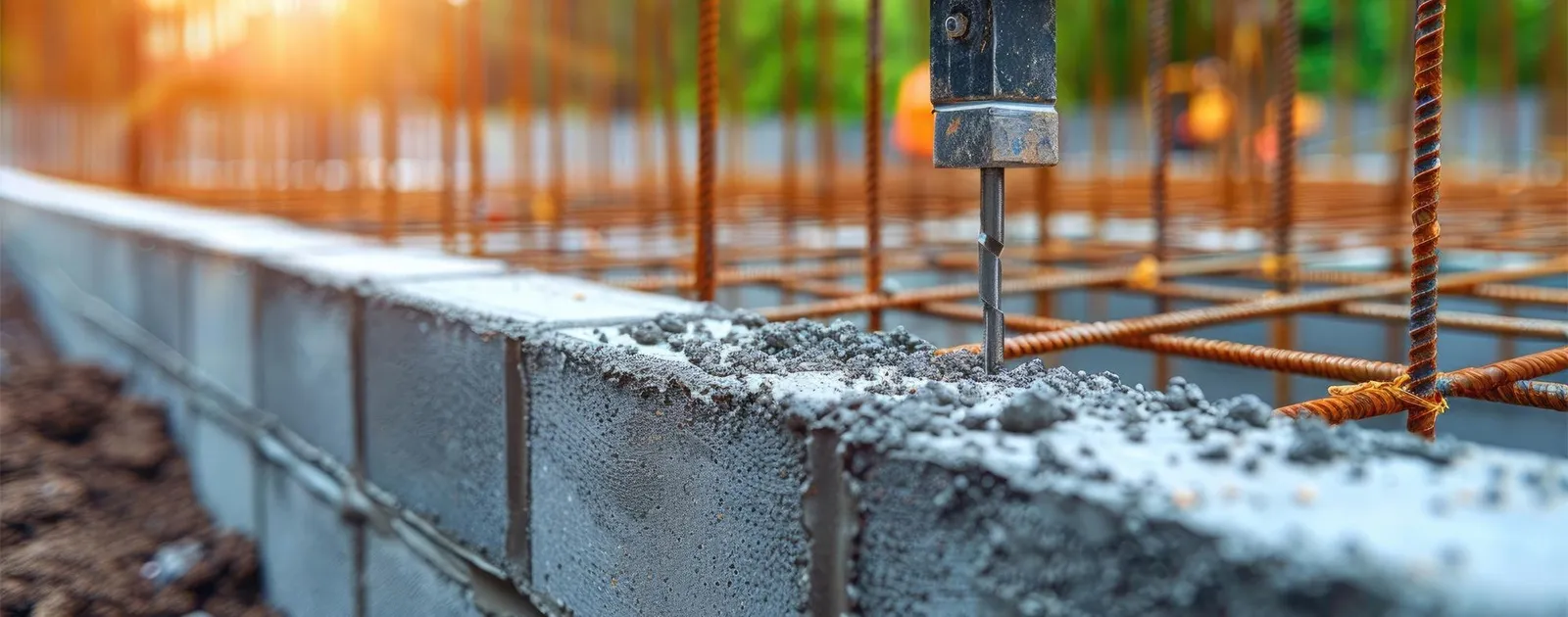
Concrete blocks being set during foundation work, showing the use of the right cement for strong construction from roof to foundation by Amrit Cement.

Roof to Foundation Dhalai: Choosing the Right Cement for Strong Construction in the North East

Construction in North East India is unique. Heavy rainfall, high humidity, seismic sensitivity, and hilly terrain demand extra-strong, durable concrete. From foundation to roof (dhalai), the quality of cement directly impacts the life of a structure.  In this blog, we explain how to choose the best cement for roof-to-foundation dhalai in the North East, key precautions during concreting, and why Amrit Cement is a trusted choice in the region.  Why Cement Selection Matters in the North East  The North East experiences:  Using ordinary or low-quality cement can lead to:  That’s why high-strength, consistent, and moisture-resistant cement is essential.  Foundation Dhalai: Strength Starts from the Base  The foundation bears the entire load of the structure. For foundation dhalai in the North East:  👉 PPC or blended cement is often preferred due to better durability and reduced heat of hydration.  Amrit Cement Advantage: Amrit Cement provides uniform fineness and consistent quality, ensuring strong foundations even in challenging soil conditions.  Column & Beam Dhalai: Structural Stability Matters  Columns and beams transfer load from roof to foundation. Poor cement quality here can compromise the entire structure.  Best practices:  Why Amrit Cement Works Well: Its superior binding properties help achieve higher compressive strength, reducing the risk of cracks and structural weakness.  Roof (Slab) Dhalai: Protection Against Rain & Cracks  Roof slabs in the North East are constantly exposed to:  Using low-grade cement can result in:  Amrit Cement ensures:  Proper curing combined with quality cement significantly improves slab durability.  Key Tips for Perfect Roof-to-Foundation Dhalai  Why Amrit Cement is Ideal for North East Construction  Amrit Cement is specially suited for North East conditions because it offers:  From independent house construction to large infrastructure projects, Amrit Cement delivers durability you can rely on.  Conclusion  From foundation to roof dhalai, construction in the North East demands cement that can withstand moisture, load, and time. Choosing the right cement is not an expense — it’s an investment in safety and durability.  FAQs: Roof to Foundation Dhalai Cement in North East  Q1. Which cement is best for foundation dhalai in the North East?  Blended cement like PPC is preferred due to better durability and moisture resistance. Amrit Cement PPC is a reliable choice.  Q2. Can the same cement be used from foundation to roof?  Yes. Using a consistent, high-quality cement like Amrit Cement ensures uniform strength throughout the structure.  Q3. Why is curing important after dhalai?  Proper curing prevents cracks, improves strength, and enhances cement hydration, especially in humid climates.  Q4. How does heavy rainfall affect cement work?  Excess moisture can weaken concrete if curing and mix design are improper. Quality cement minimizes these risks.  Q5. Is Amrit Cement suitable for seismic zones?  Yes. Strong bonding and consistent compressive strength make Amrit Cement suitable for earthquake-prone regions. 

Read More (...)