What Is Ordinary Portland Cement? Benefits, Grades & Applications | Amrit Cement
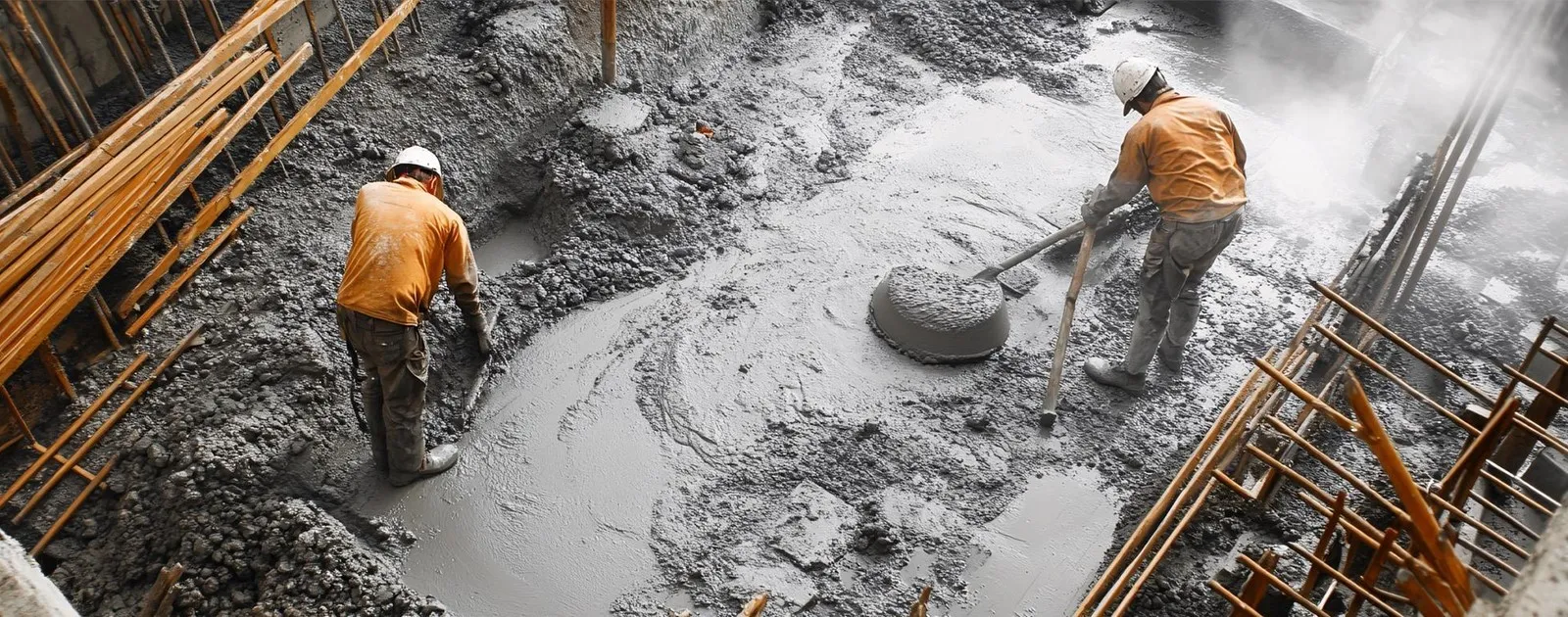
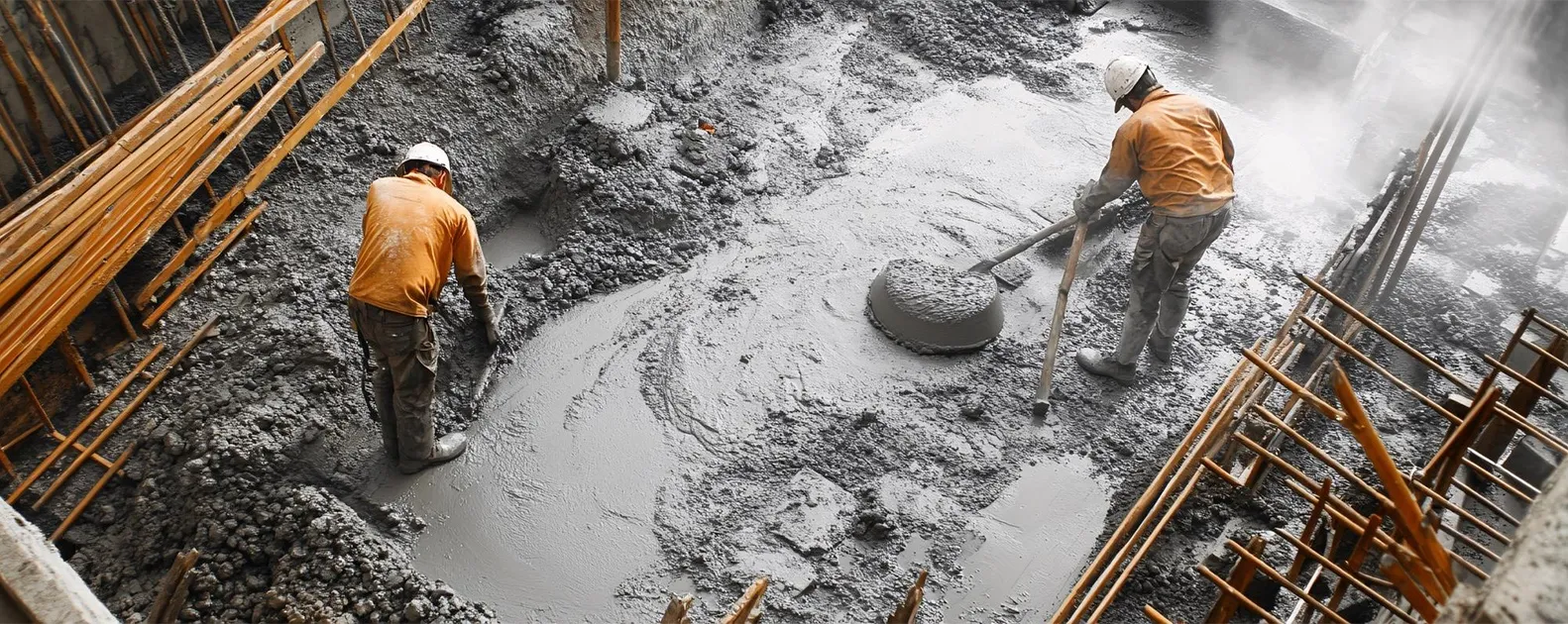
Whenever you are considering a construction project, be it, a family home, a commercial space, and an infrastructure project or any other type of work that involves using material, one of the first things that you consider is what you want to use. Among all construction materials, ordinary portland cement remains the most widely used binder in concrete and mortar. But beyond the basic definition, homeowners, contractors, and project managers must understand its commercial implications: durability, cost efficiency, suitability for different applications, long-term performance, and how it compares to other cement products in the market. This article breaks down what ordinary portland cement offers, how different grades affect your project outcome, and how to make a smart purchasing decision — particularly when choosing between brands like Amrit Cement and others available in your region. Why Ordinary Portland Cement Is Still a Core Choice At its core, ordinary portland cement is a fundamental construction material — used to bind sand, gravel, and water into concrete, or mixed with sand to produce mortar. Its appeal lies in its predictable performance, acceptance by the regulations, and applicability. However, to the end users who have business motives, definition is not all that matters. Reasons why ordinary portland cement continues to dominate: Learning Grades and Their Effect on Your Build Not all ordinary portland cement is the same. In commercial use, it is available in varying grades — usually referred to as OPC 33, OPC 43 and OPC 53. These values show the lowest compressive strength (in megapascals) of the material after 28 days of curing. OPC Grades Comparison Grade Description OPC 33 Strength of entry level, which is appropriate to masonry mortar and light concrete OPC 43 An intermediate grade of concrete that is commonly used in the general-purpose concrete and reinforced buildings OPC 53 Heavy grade, used in heavy structural construction and industrial construction Although better grades may be relatively expensive per bag, they can cut down on the number of bags required and have stronger and more durable structures which can be essential in projects that might have a long-term load requirement or where the environment is hostile. Commercial Understanding: It is always important to align the cement grade to the structural requirement as opposed to purchasing the best grade automatically. Excessive specification may raise the initial material expenditure disproportionately. How Ordinary Portland Cement Stacks Up Against Other Cement Products Today’s construction market features a wide array of cement products, including blended cements, sulfate-resistant variants, and specialty mixes designed for rapid set or extreme conditions. Key Comparison Points Practical Applications of Ordinary Portland Cement Whenever coming up with commercial decisions, it is good to consider where you are going to use the cement. Common Applications and Usage Knowing the compatibility between grade and application ensures that cement meets structural performance requirements while also helping save on construction costs. Business Matters: What to Expect in Competition Selecting ordinary portland cement for your next project should be a business decision informed by cost, performance, and risk management. Key Considerations Before Purchase The Question of Brand Choice (And Amrit Cement) When comparing brands for ordinary portland cement: Amrit Cement competes with major brands on the basis of stable quality, strong local supply, and project support in Assam and adjoining states. Since every vendor can deliver cement, the right balance of price and performance is achieved by carefully evaluating vendors based on project-specific requirements. Final Words Ordinary portland cement remains a cornerstone of modern construction. But beyond knowing what it is, commercial buyers must understand grades, costs, applications, and how it compares with other cement products. With the right insight and preparation, you can make a purchase decision that supports durability, budget efficiency, and overall project success. FAQ 1: Why do contractors still prefer OPC for major projects? Contractors prefer OPC because it provides fast strength gain and strong structural performance. Amrit Cement OPC helps speed up construction cycles, making it ideal for commercial and infrastructure projects where time and strength are critical. FAQ 2: How does OPC benefit home owners during construction? OPC allows faster slab casting and early strength development, reducing construction time. Amrit Cement OPC ensures consistent quality, helping home owners avoid delays and structural issues. FAQ 3: Which OPC grade should be used for normal house construction? OPC 43 grade is commonly used for residential buildings as it balances strength and durability. Amrit Cement OPC 43 is suitable for slabs, columns, and foundations in most housing projects. FAQ 4: When is OPC 53 a better business choice? OPC 53 is best for high-rise, commercial, and infrastructure projects where early strength saves time and labor costs. Amrit Cement OPC 53 supports faster project completion and stronger structures. FAQ 5: How does OPC quality affect contractor reputation? Consistent OPC quality reduces failures, complaints, and rework. Using Amrit Cement OPC helps contractors deliver reliable results, build trust with clients, and secure repeat business.