Key Properties of Ordinary Portland Cement That Affect Construction Quality
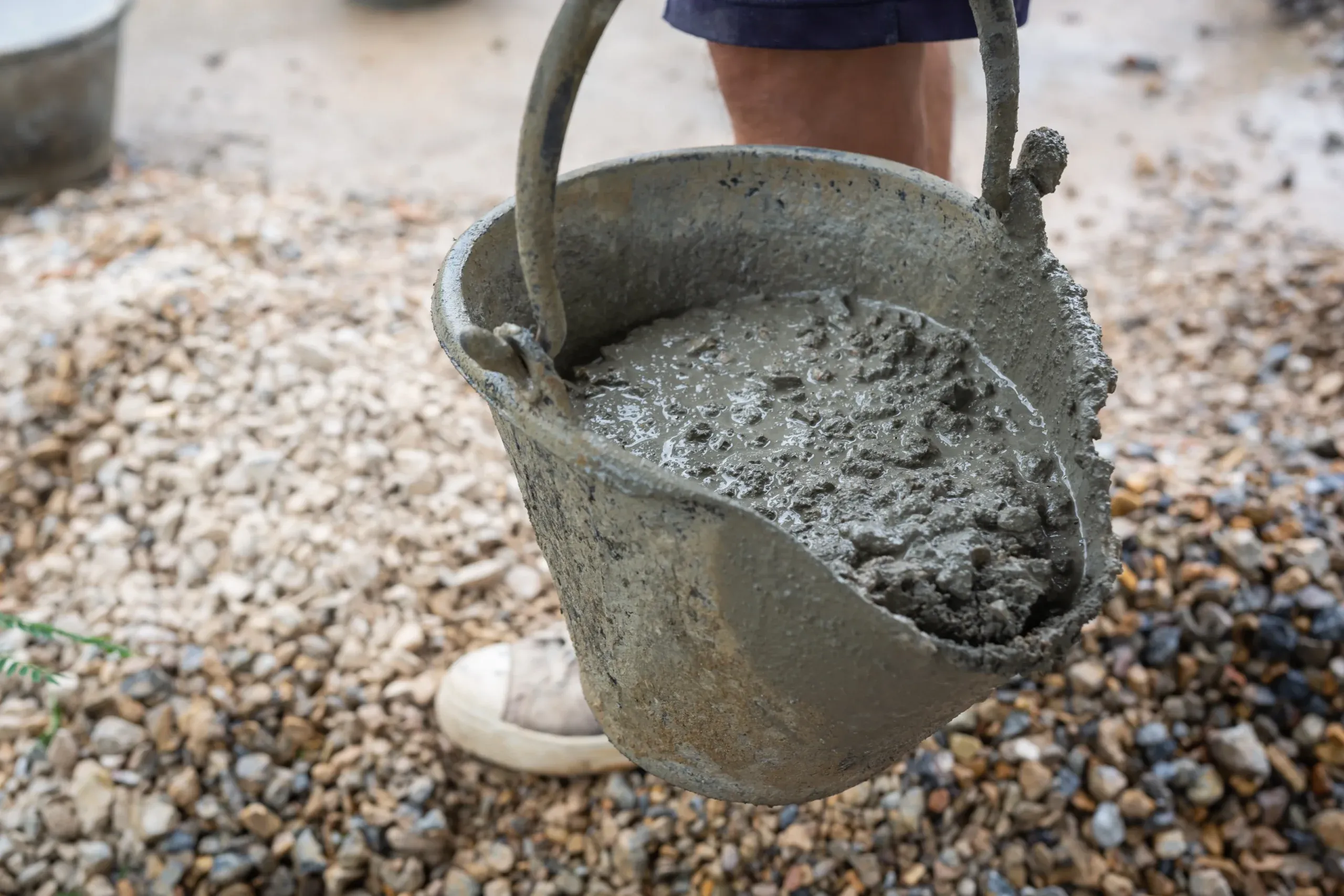
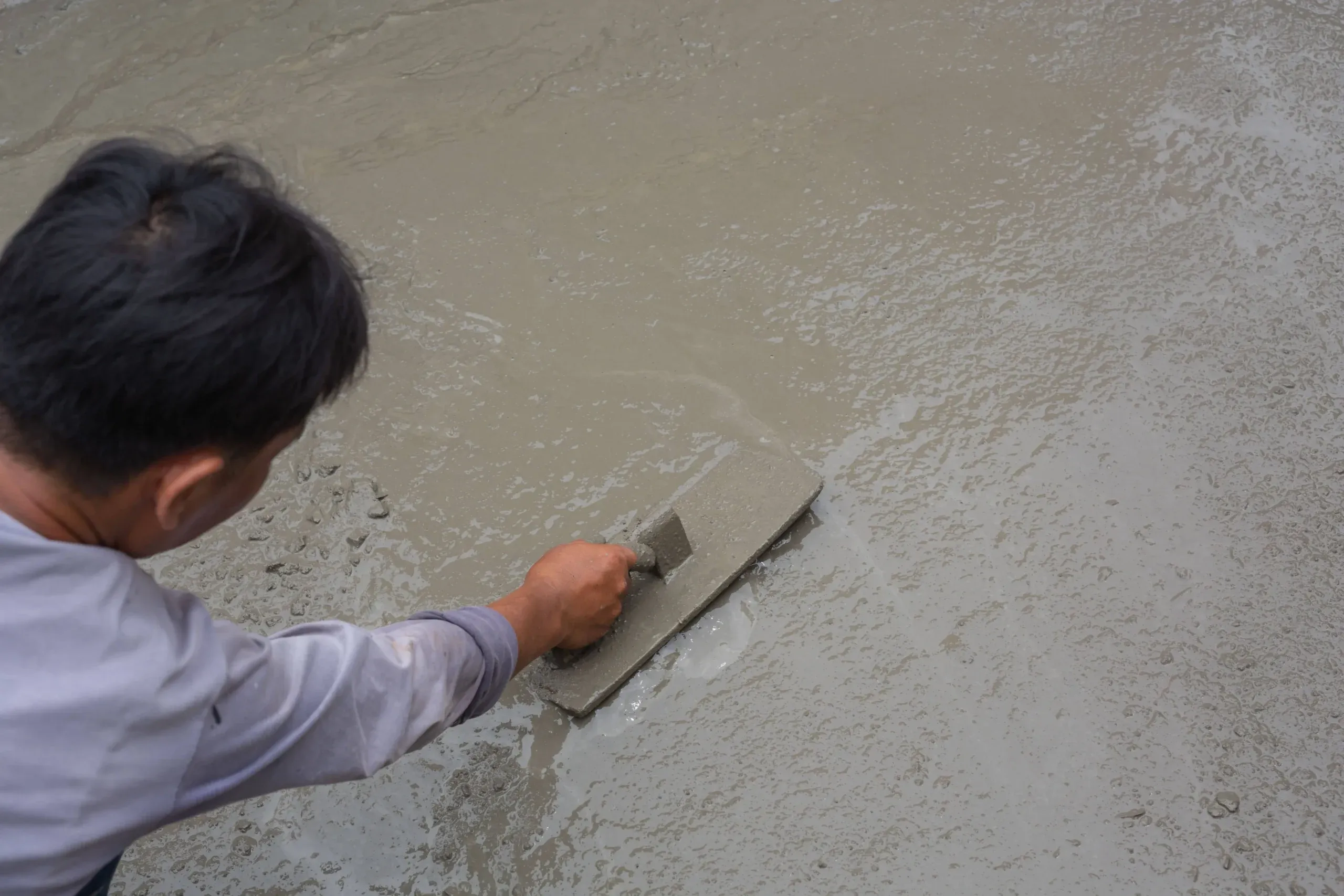
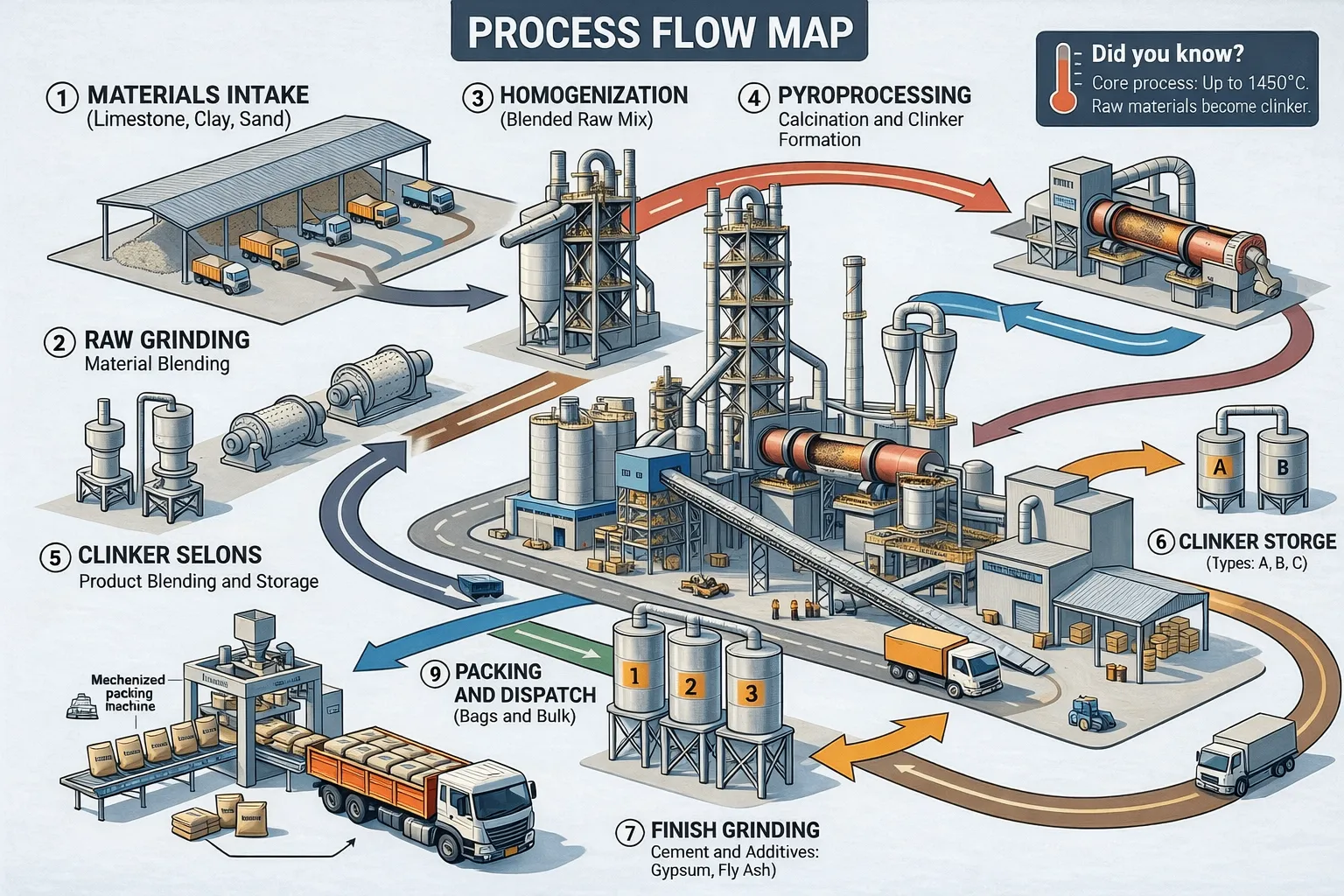
The construction materials are very crucial when it comes to constructing strong and durable structures. Among these materials, ordinary portland cement is one of the most important components in modern construction. It serves as the cement that combines sand, aggregates and water together to create concrete and mortar. Nevertheless, not every cement acts in a similar manner during construction. The properties of ordinary portland cement determine how strong, durable, and reliable a structure will be over time. Understanding these properties helps engineers, contractors, and homeowners choose the right cement products for their projects. In this guide, we explain the key properties of ordinary portland cement and how they influence construction quality. 1. Fineness of Cement The degree of fineness is the degree of grinding that is applied on the cement particles during the manufacturing process. It is significant in the strength development of cement. Particles of finer cement possess more massive surface area, which then enables them to respond to water at a faster rate during hydration. This results in accelerating the acquisition of strength during the initial construction stages. Nonetheless, very fine cement may lead to higher water consumption and in the process result in shrinkage when not applied appropriately. High-quality cement products maintain an optimal level of fineness to ensure both strength and workability. A balance of fineness is necessary in construction projects which need concrete which is strong and reliable. 2. Setting Time Setting time can be defined as the time taken before cement paste begins to harden once water has been added to the cement paste. Setting time is of two significant kinds: Initial Setting Time It is the time taken before cement starts to lose its plasticity. Final Setting Time This is the period of which cement loses its plasticity and hardens. The right setting time will give the workers adequate time to mix, haul, place, and complete concrete before it solidifies. When the cement dries too fast, then construction would be a problem and can cause weak joints. Conversely, construction activities may be slowed down by very slow setting. Well-manufactured ordinary portland cement offers balanced setting time, allowing construction work to proceed smoothly. 3. Compressive Strength One of the most important cement properties is compressive strength. It is a measure of the capability of the hardened cement mortar or concrete to resist loads without collapsing. To put it in simple terms, it decides the strength the structure will embrace. Increased compressive strength implies that the concrete is able to sustain heavier loads and also sustain the structure over time. This is especially of significance in buildings, bridges, foundations and other load bearing structures. Reliable cement products are tested for compressive strength under standardized conditions to ensure they meet construction requirements. Choosing high-quality ordinary portland cement ensures strong concrete that supports long-lasting infrastructure. 4. Soundness Soundness is the power of cement to maintain the volume, upon setting, without undue expansion. By expanding upon hardening, cement can crack, become distorted or damaged. This growth normally occurs as a result of availability of excess free lime or magnesia in the cement. Testing the soundness of ordinary portland cement ensures that it remains stable after setting and does not compromise the durability of the structure. High-quality cement products are manufactured with controlled chemical composition to prevent such expansion and maintain long-term stability. 5. Heat of Hydration A chemical reaction occurs when cement interacts with water releasing heat. This is referred to as hydration. The heat produced in the course of hydration is referred to as the heat of hydration. This heat can not be very important in small structures. The large concrete structures like the dams, foundations and massive slabs, however, might experience excessive heat to produce temperature differences within the concrete. Such variations in temperatures may cause cracks and weaken the structure. Manufacturers of premium ordinary portland cement control the composition of cement to manage the heat generated during hydration, ensuring safer construction practices. 6. Consistency The quantity of water to produce cement paste is known as consistency. The cement paste of the right consistency will enable the construction to be mixed, placed and compacted. Effects of water quantity in cement mix: Excess water Concrete becomes weak and porous. Insufficient water Mixture becomes difficult to manipulate and concrete may not compact correctly. Quality cement products are designed to achieve ideal consistency so that concrete maintains both strength and workability. 7. Durability Durability refers to how cement built structures resist the environmental conditions like moisture, variation in temperatures, chemicals and exposure to weather. Structures built using high-quality ordinary portland cement tend to last longer because the cement forms a dense and strong bond between aggregates. Durable cement products help protect structures from issues like: Corrosion Cracking Surface deterioration This is necessary particularly in infrastructural developments, residential and commercial properties where durability is of essence. 8. Workability in Concrete Workability is defined as the ease of mixing, placing, and compacting concrete. While workability mainly depends on the concrete mix design, the properties of ordinary portland cement also influence how smoothly the mixture behaves during construction. Balanced cement has good mixing and placement characteristics because it does not segregate or bleed. This gives the same strength across the structure. Good workability contributes to efficiency of construction and minimizes chances of defect in the concrete that is in place. Selecting the Correct Cement to Make Excellent Construction When selecting cement products, it is important to choose brands that maintain strict quality standards and consistent manufacturing processes. Reliable manufacturers such as Amrit Cement are concerned with providing quality cement that could respond to the current requirements in construction. They have good quality control and advanced production techniques that provide cement to the builders and help to build a construction that is strong and safe. Final Thoughts The quality of the construction is greatly reliant on the output of the materials employed. Among them, ordinary portland cement remains the backbone of modern infrastructure. Recognizing its major characteristics, including strength, setting time, soundness,