Champion’s Choice: Why Amrit Cement Champion’s Never Compromise on Their Strength

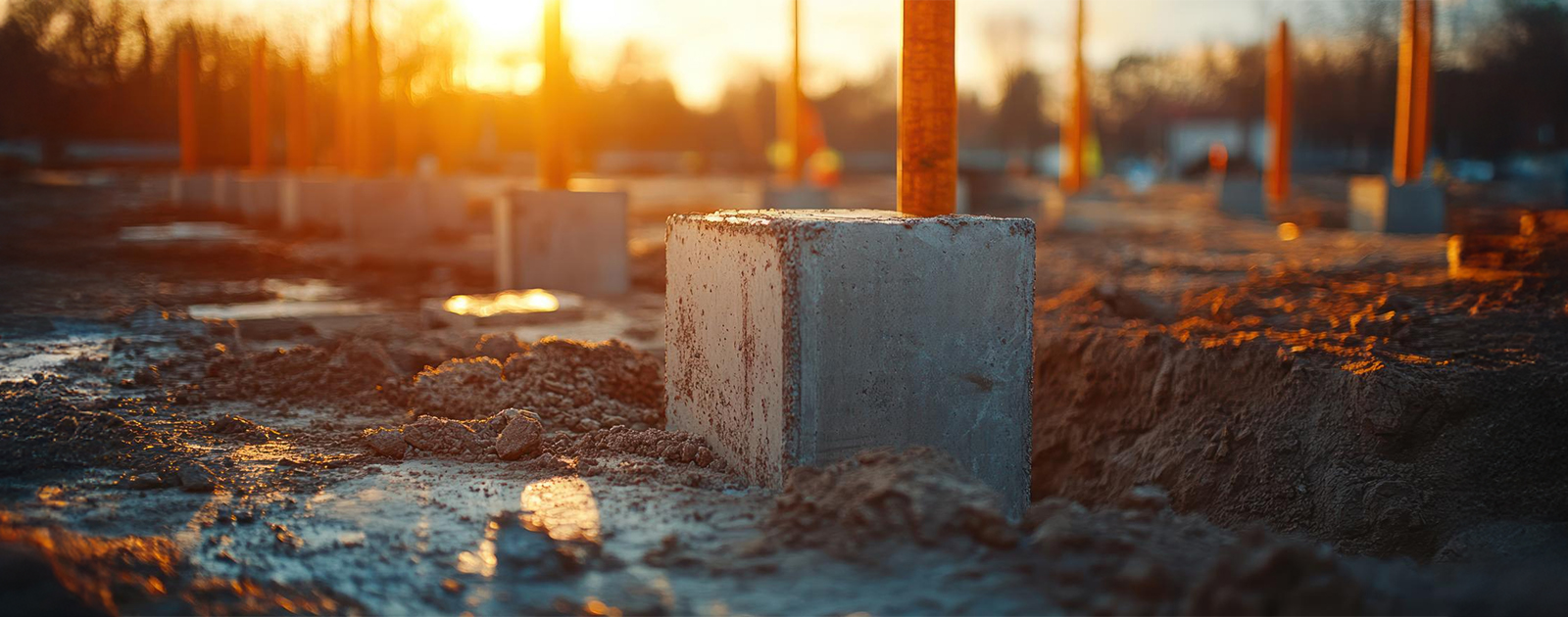
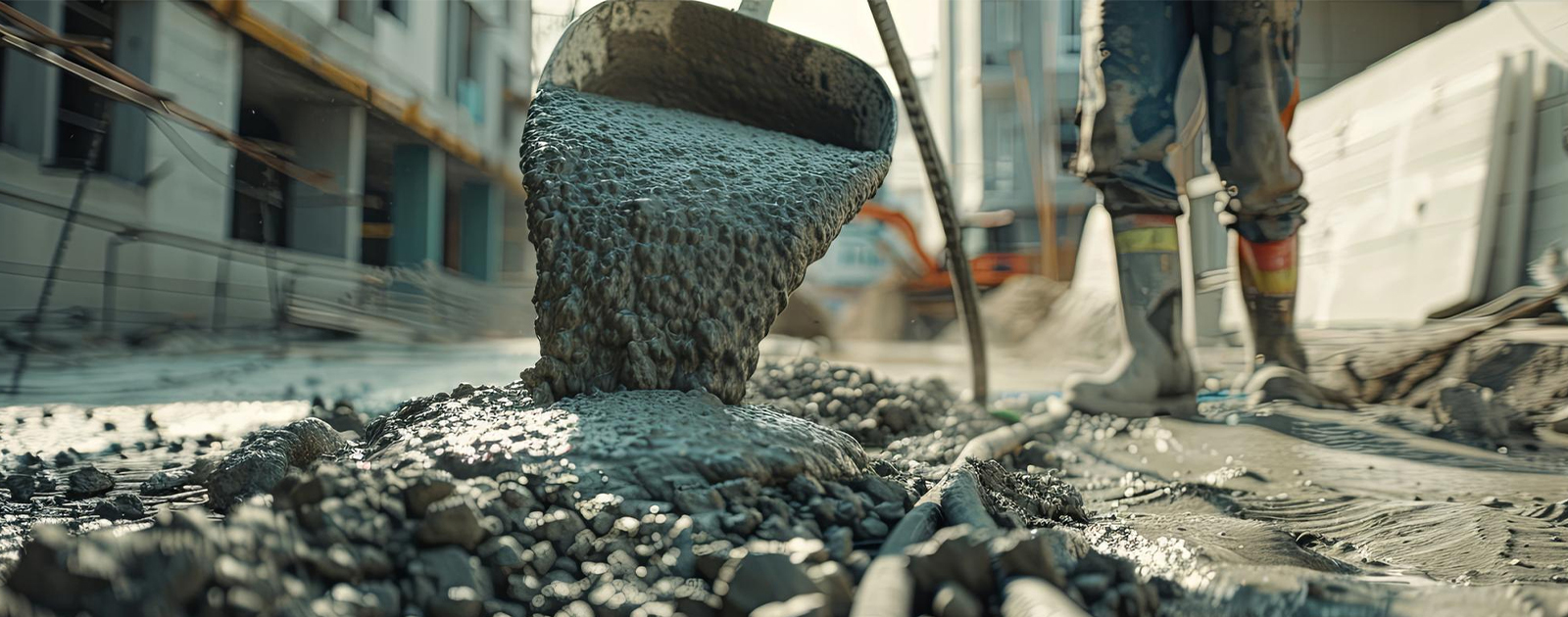
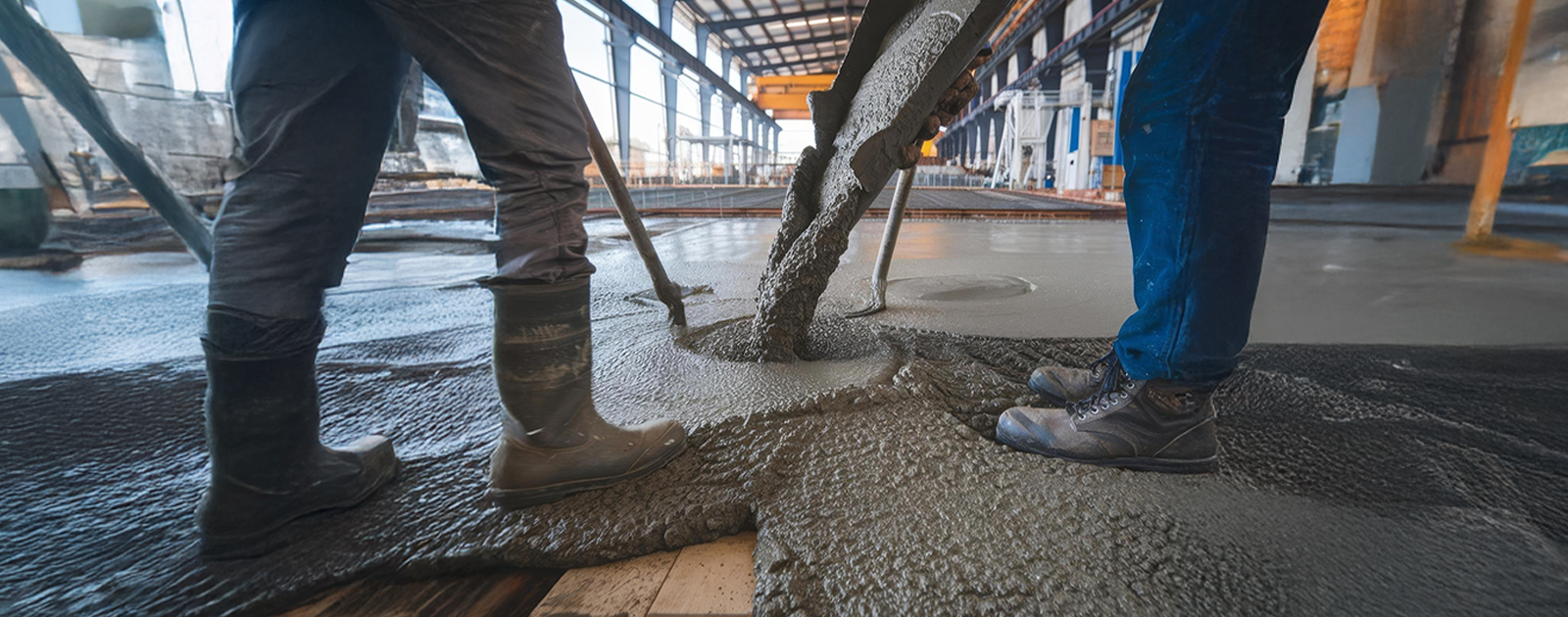
Concrete being poured at a construction site, symbolizing unmatched strength and reliability trusted by Amrit Cement Champions.

Champion’s Choice: Why Amrit Cement Champion’s Never Compromise on Their Strength

In construction, strength is not a choice — it’s a commitment. Whether it’s building a home, a commercial project, or critical infrastructure, true champions never compromise on quality. That’s why Amrit Cement is the Champion Choice for builders who believe in long-lasting strength, durability, and trust.  This blog explains why champions choose Amrit Cement, how it delivers superior performance, and why compromising on cement quality can cost more in the long run.  Strength Is the Foundation of Every Champion’s Build  Every strong structure begins with strong cement. In regions like the North East, where weather conditions are challenging and terrain is complex, the margin for error is zero.  Using low-grade cement may seem economical at first, but it often leads to:  Champions think long term — and that’s where Amrit Cement stands apart.  What Makes Amrit Cement the Champion Choice?  Amrit Cement is engineered to deliver consistent strength from foundation to roof, making it the preferred choice of experienced engineers, contractors, and homeowners.  Key Strength Advantages:  Champions don’t gamble with strength — they choose certainty.  Champions Build for the Long Run, Not Short-Term Savings  A true champion understands that compromising on cement quality can weaken the entire structure. Amrit Cement helps ensure:  Choosing Amrit Cement means choosing peace of mind and structural confidence.  Trusted by Builders Who Believe in Strength  Amrit Cement has earned the trust of:  Its consistent quality and strong regional presence make it a dependable partner for projects of all sizes.  Because champions are known by the strength of what they build.  Why “Champion’s Never Compromise” Is More Than a Line  This philosophy reflects the mindset of builders who:  Amrit Cement aligns perfectly with this mindset — delivering performance that matches ambition.  Conclusion: Build Like a Champion  Champions are remembered not just for winning, but for building something that lasts.  When it comes to construction, strength is non-negotiable. That’s why Amrit Cement is the Champion Choice for those who never compromise on quality, durability, or performance.  Build with confidence. Build with strength. Build with Amrit Cement.  FAQs: Champion’s Choice – Amrit Cement  Q1. Why is Amrit Cement called the Champion’s Choice?  Because it delivers consistent strength, durability, and reliability — the key qualities that champions demand in construction.  Q2. Is Amrit Cement suitable for all types of construction?  Yes. It is suitable for residential, commercial, and infrastructure projects, from foundation to roof.  Q3. How does Amrit Cement help prevent cracks?  Its superior fineness and bonding properties ensure uniform concrete strength and reduce shrinkage cracks.  Q4. Can Amrit Cement perform well in high rainfall areas?  Absolutely. Amrit Cement is designed to perform effectively in humid and heavy rainfall conditions, making it ideal for regions like the North East.  Q5. Does using premium cement increase construction cost?  While premium cement may cost slightly more upfront, it significantly reduces long-term repair and maintenance costs. 

Read More (...)
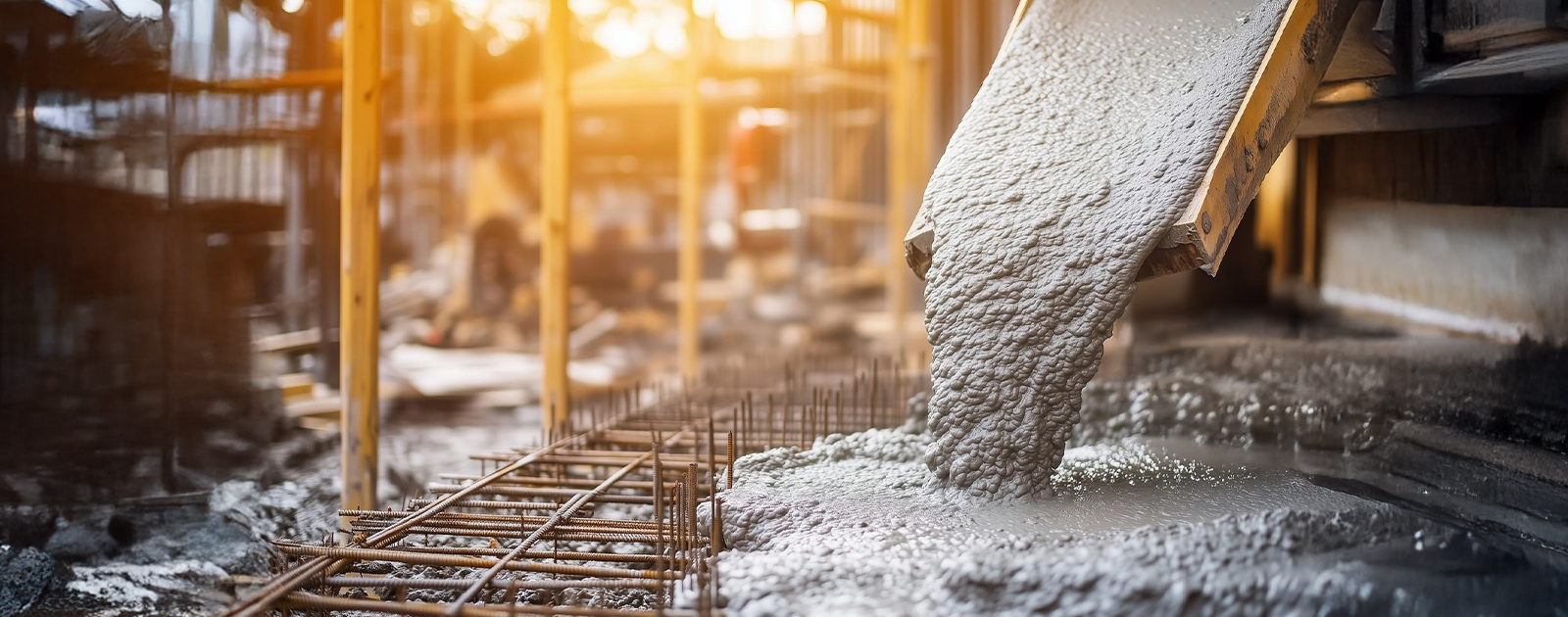
Concrete blocks being set during foundation work, showing the use of the right cement for strong construction from roof to foundation by Amrit Cement.

Roof to Foundation Dhalai: Choosing the Right Cement for Strong Construction in the North East

Construction in North East India is unique. Heavy rainfall, high humidity, seismic sensitivity, and hilly terrain demand extra-strong, durable concrete. From foundation to roof (dhalai), the quality of cement directly impacts the life of a structure.  In this blog, we explain how to choose the best cement for roof-to-foundation dhalai in the North East, key precautions during concreting, and why Amrit Cement is a trusted choice in the region.  Why Cement Selection Matters in the North East  The North East experiences:  Using ordinary or low-quality cement can lead to:  That’s why high-strength, consistent, and moisture-resistant cement is essential.  Foundation Dhalai: Strength Starts from the Base  The foundation bears the entire load of the structure. For foundation dhalai in the North East:  👉 PPC or blended cement is often preferred due to better durability and reduced heat of hydration.  Amrit Cement Advantage: Amrit Cement provides uniform fineness and consistent quality, ensuring strong foundations even in challenging soil conditions.  Column & Beam Dhalai: Structural Stability Matters  Columns and beams transfer load from roof to foundation. Poor cement quality here can compromise the entire structure.  Best practices:  Why Amrit Cement Works Well: Its superior binding properties help achieve higher compressive strength, reducing the risk of cracks and structural weakness.  Roof (Slab) Dhalai: Protection Against Rain & Cracks  Roof slabs in the North East are constantly exposed to:  Using low-grade cement can result in:  Amrit Cement ensures:  Proper curing combined with quality cement significantly improves slab durability.  Key Tips for Perfect Roof-to-Foundation Dhalai  Why Amrit Cement is Ideal for North East Construction  Amrit Cement is specially suited for North East conditions because it offers:  From independent house construction to large infrastructure projects, Amrit Cement delivers durability you can rely on.  Conclusion  From foundation to roof dhalai, construction in the North East demands cement that can withstand moisture, load, and time. Choosing the right cement is not an expense — it’s an investment in safety and durability.  FAQs: Roof to Foundation Dhalai Cement in North East  Q1. Which cement is best for foundation dhalai in the North East?  Blended cement like PPC is preferred due to better durability and moisture resistance. Amrit Cement PPC is a reliable choice.  Q2. Can the same cement be used from foundation to roof?  Yes. Using a consistent, high-quality cement like Amrit Cement ensures uniform strength throughout the structure.  Q3. Why is curing important after dhalai?  Proper curing prevents cracks, improves strength, and enhances cement hydration, especially in humid climates.  Q4. How does heavy rainfall affect cement work?  Excess moisture can weaken concrete if curing and mix design are improper. Quality cement minimizes these risks.  Q5. Is Amrit Cement suitable for seismic zones?  Yes. Strong bonding and consistent compressive strength make Amrit Cement suitable for earthquake-prone regions. 

Read More (...)
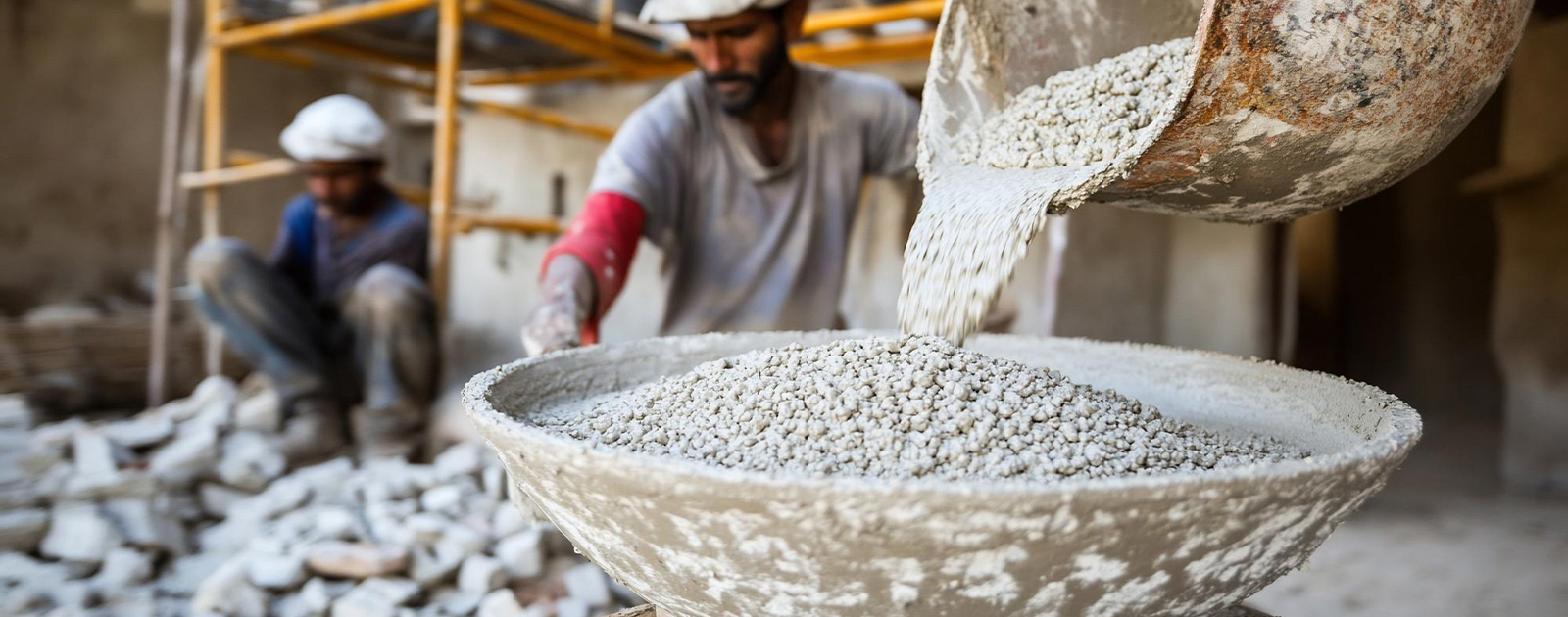
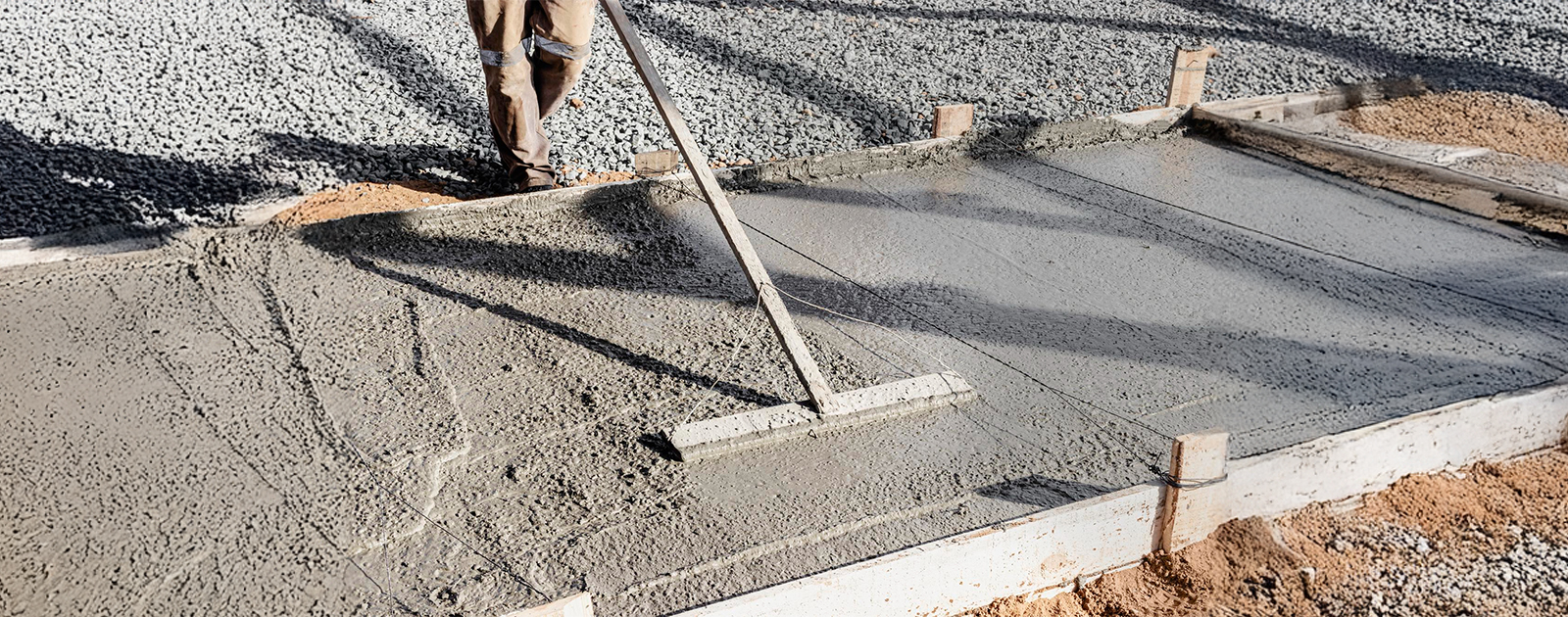
Workers mixing Ordinary Portland Cement concrete at a construction site, showcasing its applications and strength – Amrit Cement.

What Is Ordinary Portland Cement? Benefits, Grades & Applications | Amrit Cement

Whenever you are considering a construction project, be it, a family home, a commercial space, and an infrastructure project or any other type of work that involves using material, one of the first things that you consider is what you want to use.  Among all construction materials, ordinary portland cement remains the most widely used binder in concrete and mortar. But beyond the basic definition, homeowners, contractors, and project managers must understand its commercial implications: durability, cost efficiency, suitability for different applications, long-term performance, and how it compares to other cement products in the market.  This article breaks down what ordinary portland cement offers, how different grades affect your project outcome, and how to make a smart purchasing decision — particularly when choosing between brands like Amrit Cement and others available in your region.  Why Ordinary Portland Cement Is Still a Core Choice  At its core, ordinary portland cement is a fundamental construction material — used to bind sand, gravel, and water into concrete, or mixed with sand to produce mortar.  Its appeal lies in its predictable performance, acceptance by the regulations, and applicability. However, to the end users who have business motives, definition is not all that matters.  Reasons why ordinary portland cement continues to dominate:  Learning Grades and Their Effect on Your Build  Not all ordinary portland cement is the same. In commercial use, it is available in varying grades — usually referred to as OPC 33, OPC 43 and OPC 53.  These values show the lowest compressive strength (in megapascals) of the material after 28 days of curing.  OPC Grades Comparison  Grade  Description  OPC 33  Strength of entry level, which is appropriate to masonry mortar and light concrete  OPC 43  An intermediate grade of concrete that is commonly used in the general-purpose concrete and reinforced buildings  OPC 53  Heavy grade, used in heavy structural construction and industrial construction  Although better grades may be relatively expensive per bag, they can cut down on the number of bags required and have stronger and more durable structures which can be essential in projects that might have a long-term load requirement or where the environment is hostile.  Commercial Understanding: It is always important to align the cement grade to the structural requirement as opposed to purchasing the best grade automatically. Excessive specification may raise the initial material expenditure disproportionately.  How Ordinary Portland Cement Stacks Up Against Other Cement Products  Today’s construction market features a wide array of cement products, including blended cements, sulfate-resistant variants, and specialty mixes designed for rapid set or extreme conditions.  Key Comparison Points  Practical Applications of Ordinary Portland Cement  Whenever coming up with commercial decisions, it is good to consider where you are going to use the cement.  Common Applications and Usage  Knowing the compatibility between grade and application ensures that cement meets structural performance requirements while also helping save on construction costs.  Business Matters: What to Expect in Competition  Selecting ordinary portland cement for your next project should be a business decision informed by cost, performance, and risk management.  Key Considerations Before Purchase  The Question of Brand Choice (And Amrit Cement)  When comparing brands for ordinary portland cement:  Amrit Cement competes with major brands on the basis of stable quality, strong local supply, and project support in Assam and adjoining states.  Since every vendor can deliver cement, the right balance of price and performance is achieved by carefully evaluating vendors based on project-specific requirements.  Final Words  Ordinary portland cement remains a cornerstone of modern construction. But beyond knowing what it is, commercial buyers must understand grades, costs, applications, and how it compares with other cement products.  With the right insight and preparation, you can make a purchase decision that supports durability, budget efficiency, and overall project success.  FAQ 1: Why do contractors still prefer OPC for major projects?  Contractors prefer OPC because it provides fast strength gain and strong structural performance. Amrit Cement OPC helps speed up construction cycles, making it ideal for commercial and infrastructure projects where time and strength are critical.  FAQ 2: How does OPC benefit home owners during construction?  OPC allows faster slab casting and early strength development, reducing construction time. Amrit Cement OPC ensures consistent quality, helping home owners avoid delays and structural issues.  FAQ 3: Which OPC grade should be used for normal house construction?  OPC 43 grade is commonly used for residential buildings as it balances strength and durability. Amrit Cement OPC 43 is suitable for slabs, columns, and foundations in most housing projects.  FAQ 4: When is OPC 53 a better business choice?  OPC 53 is best for high-rise, commercial, and infrastructure projects where early strength saves time and labor costs. Amrit Cement OPC 53 supports faster project completion and stronger structures.  FAQ 5: How does OPC quality affect contractor reputation?  Consistent OPC quality reduces failures, complaints, and rework. Using Amrit Cement OPC helps contractors deliver reliable results, build trust with clients, and secure repeat business. 

Read More (...)
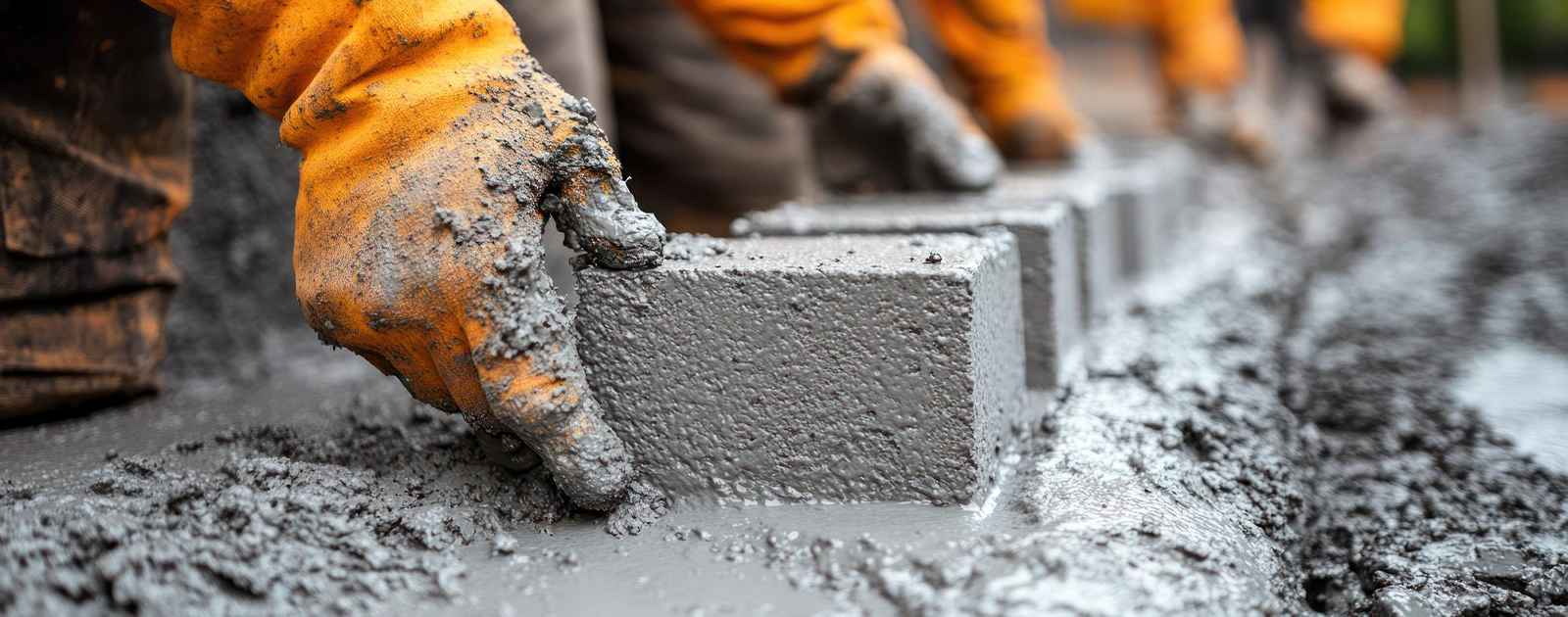
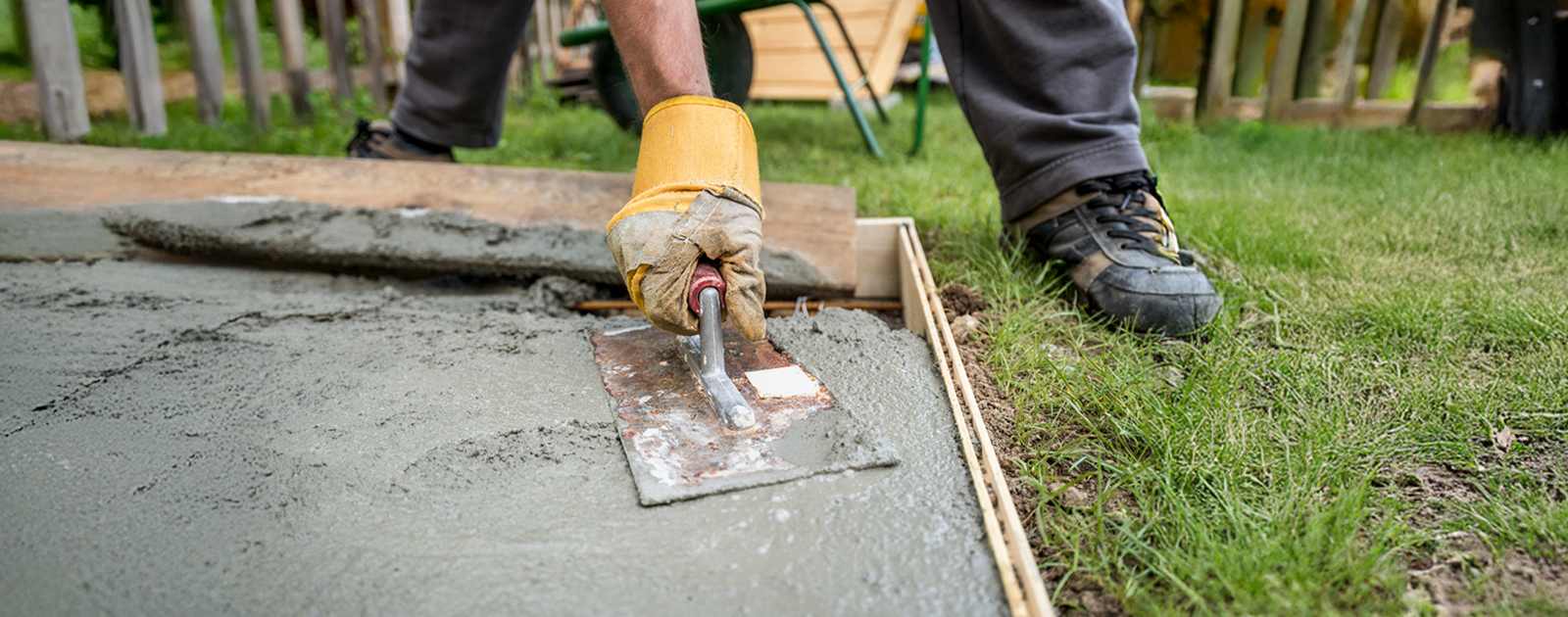
Concrete foundation blocks set at a construction site, showing the use of the right cement for strong concrete construction by Amrit Cement.

Cement for Concrete: Which Type of Cement Is Best for Strong Construction? 

Choosing the right cement for concrete is one of the most important decisions in any construction project. The choice of cement that you make, whether you are constructing a home, a commercial space, or even working on an infrastructure is what influences the strength, durability, cost and general maintenance.  In this paper, we present a simple description of the most appropriate cement types to use in a concrete work, how to choose, what type of cement to use, and what commercial purchasers need to have before deciding to buy.  Why the Right Cement Matters  Concrete is a combination of cement, sand, aggregate (stones) and water. Cement plays the role of the binding agent which puts everything into place.  Improper or poor quality cement may cause:  For builders and project owners, short-term savings from cheaper cement often result in high maintenance costs in the future.  It is not only necessary to pick any cement but to select one that delivers long-term value and structural strength.  Types of Cement in Common Use in Concrete  In India, several cement types are commonly manufactured, each with different characteristics. Below is a practical view of how these options perform when used as cement for concrete.  Ordinary Portland Cement (OPC)  Commercial Consideration: Higher-grade OPC (such as OPC 53) is more expensive per bag but offers faster curing and higher early strength. This can reduce project timelines and lower formwork holding costs.  Portland Pozzolana Cement (PPC)  Commercial Consideration: PPC usually costs slightly less than high-grade OPC and performs better in humid or coastal environments. This reduces long-term repair and maintenance costs.  Portland Slag Cement (PSC)  Commercial Consideration: PSC is cost-effective for large-volume concrete work exposed to harsh environments.  Cement for Concrete: A Buyer’s Decision Framework  Selecting the right cement mix depends on four practical factors:  1. Strength Requirement (Load and Design)  2. Project Scale & Timeline  3. Environmental Conditions  4. Budget Sensitivity  Comparative Cost Overview  To help evaluate value beyond just price per bag, the table below compares cement types used in concrete work:  Cement Type  Approx Price per Bag  Concrete Strength  Long-Term Durability  Best Use  Commercial Value  OPC 33  Lower  Moderate  Moderate  Light construction  Low upfront cost  OPC 43  Moderate  Higher  Good  Residential & RCC  Balanced value  OPC 53  Higher  Highest  Very Good  Structural & high load  Best long-term strength value  PPC  Moderate  Good (long term)  Excellent  Foundations & mass concrete  Best durability per cost  PSC  Moderate–Higher  Good  Very good (chemical resistance)  Special environments  Best for corrosive sites  This comparison assists in cost-benefit analysis rather than focusing solely on bag price.  Brand Comparison: Business Perspectives  When purchasing cement for concrete, buying decisions are influenced by:  Commonly Considered Brands in Assam and Northeast India  Commercial buyers should request site-delivered pricing for specific grades (OPC 43, OPC 53, PPC) instead of depot prices. Delivery costs in locations such as Guwahati, Jorhat, or Silchar often differ significantly from standard price lists.  Pre-Buying Advice for Business Purchasers  To maximize value and avoid surprises, consider the following:  Final Takeaway  Selecting the right cement for concrete is not simply about choosing the lowest price. It is a business decision that considers structural requirements, environmental exposure, long-term maintenance costs, and supply logistics.  Whether selecting OPC 53 for strength or PPC for durability, ensure the choice aligns with project performance needs and overall cost efficiency.  Comparing brands, evaluating delivered costs, and making informed decisions help maximize both strength and long-term value.  Amrit Cement is committed to delivering competitive, quality solutions that meet real construction requirements—helping build stronger structures today while preserving value for the future.  FAQ 1: How does cement choice affect concrete strength on site?  Cement type affects setting time, bonding, and load capacity. Using the wrong cement can weaken concrete. Amrit Cement offers OPC and PPC designed for specific construction needs, helping contractors achieve strong, reliable concrete when mixed properly.  FAQ 2: What cement do contractors prefer for RCC work?  Contractors usually prefer OPC for RCC because of its high early strength and strong steel bonding. Amrit Cement OPC helps speed up construction while maintaining structural safety—important for meeting project deadlines.  FAQ 3: Is PPC better for residential homes?  Yes, PPC is often preferred for residential projects due to better durability and crack resistance. Amrit Cement PPC improves long-term strength and reduces heat of hydration, making homes more durable over time.  FAQ 4: Can wrong cement selection increase project cost?  Yes. Poor cement choice can cause cracks, repairs, and delays. Amrit Cement helps reduce such risks by offering consistent, application-specific cement, helping contractors and home owners control overall construction costs.  FAQ 5: How does Amrit Cement help ensure good concrete quality?  Amrit Cement maintains uniform fineness and composition, ensuring smooth mixing and predictable strength. When used with proper aggregates and curing, it delivers reliable concrete performance for all construction needs. 

Read More (...)
Cement being handled at a manufacturing unit, highlighting dealer and distributor opportunities with Amrit Cement.

How to Start a Cement Dealership with Amrit Cement: Dealer & Distributor Opportunities 

If you are exploring a business in building materials, becoming a cement dealership partner can be a rewarding and scalable opportunity. Cement remains one of the most consistently demanded construction inputs across India, and the Northeast — with steadily growing infrastructure, housing, and industrial projects — offers a robust market for distribution. In this comprehensive guide, we’ll walk you through how to become a dealer with Amrit Cement, what to expect, practical steps, commercial considerations, and tips to build a sustainable business. We’ll also address common local search intent such as cement dealers near me and how you can position yourself to capture that demand.  Why Cement Dealership Is a Good Business Choice  Starting a dealership in cement is attractive for several reasons:  However, the success of your dealership hinges on choosing the right partner and executing your operations effectively. This is where Amrit Cement’s dealer network model becomes relevant.  Amrit Cement’s Dealership Model  Amrit Cement has established itself as a credible and regionally focused brand with a distribution strategy designed for dealers who want:  It’s important to understand how a dealership with Amrit Cement differs from being an independent bulk buyer. As a dealer, you are not only purchasing cement for your own projects — you are stocking, selling, and distributing to builders, contractors, retail customers, and even other smaller dealers.  Step‑by‑Step: How to Start Your Cement Dealership  1. Conduct Local Market Research  Begin by understanding your catchment area. Search for cement dealers near me to see who’s already operating in your target region. Ask:  This research helps you identify competitive gaps and estimate your potential customer base before you invest.  2. Evaluate Financial Requirements  Starting a cement dealership requires capital for:  Initial stock investment can vary depending on your targeted scale. Dealers often start with several truckloads of cement (hundreds of bags) to meet demand without cash flow bottlenecks. You may also explore credit terms with Amrit Cement or financial institutions to smooth working capital.  3. Choose Your Target Product Mix  Amrit Cement offers various cement grades suitable for different uses. As a dealer, decide whether you will stock:  Your product mix should be driven by local demand patterns — for instance, if upcoming infrastructure projects in your area are specifying higher grade cement, you should be prepared to stock those volumes.  4. Establish a Physical Presence  A visible and accessible store or yard — preferably near a construction hub, main road, or industrial belt — increases walk‑in inquiries. Proper covered storage is essential to protect your inventory from moisture and weather damage.  Signage, display stacks, and clear price listings help customers recognize your business when they search for cement dealers near me on Google, maps, or regional directories.  5. Apply to Become an Authorized Dealer  Contact the regional sales office of Amrit Cement to express interest in dealership opportunities. Typically, the onboarding will involve:  Amrit Cement’s regional team can walk you through their current requirements and incentives for new dealers. Be clear about your expected volumes and local market reach.  6. Set Competitive Pricing and Credit Policies  Your pricing must reflect:  Many buyers compare dealers online and offline; competitive and transparent pricing will position you better when customers search for cement dealers near me.  Offering short‑term credit to trusted builders or bulk customers can help secure larger orders — but manage credit risk carefully.  Building Your Business Beyond Stocking Cement  Leverage Seasonal Demand  Construction activity often ramps up before dry seasons and slows during monsoon. Plan inventory ahead of peak demand to avoid stockouts or price spikes.  Offer Value Through Customer Service  Services like:  can differentiate you from other dealers who focus merely on selling bags.  Digital Visibility  Ensure your business is listed on local directories, Google Business Profile, and industry platforms. This improves visibility for searches like “cement dealers near me” and drives direct calls and visits.  Relationship with Contractors  Many contractors prefer dealers who understand project timelines and can ensure consistent supply. Building strong relationships with local builders can result in steady bulk orders.  Key Success Factors for Your Dealership  Final Thoughts  Starting a cement dealership with Amrit Cement offers a structured way to enter a profitable segment of the construction supply chain. With appropriate planning, local market insight, financial readiness, and operational discipline, you can build a business that serves your community’s construction needs while generating sustainable revenue. Remember, your success as a dealer comes not just from stocking cement — but from understanding your market, managing costs, and delivering dependable service that customers trust when they search for cement dealers near me.  FAQ 1: Is cement dealership a profitable business today?  Yes, cement dealership remains profitable due to constant construction demand. However, success depends on brand strength, supply reliability, and margins. Partnering with Amrit Cement gives dealers access to a trusted brand, consistent demand, and long-term growth opportunities, making it a stable and scalable business.  FAQ 2: What kind of dealer support matters most in this business?  Dealers benefit most from timely supply, competitive pricing, and brand visibility. Amrit Cement supports dealers with reliable logistics, marketing materials, and market guidance. This helps dealers manage stock efficiently, build customer trust, and grow sales without frequent supply disruptions.  FAQ 3: How does brand reputation affect dealer sales?  A strong brand reduces selling effort. Contractors and home owners prefer reliable cement brands they trust. Amrit Cement’s quality consistency helps dealers close sales faster, reduce complaints, and build long-term customer relationships—critical for steady business growth.  FAQ 4: What should a new dealer check before starting?  New dealers should assess local construction demand, storage capacity, working capital, and brand strength. Amrit Cement evaluates these factors to ensure mutual success. A well-matched location and partner help build a profitable and sustainable dealership.  FAQ 5: Can a cement dealership grow into a bigger business?  Yes. Many dealers expand into distributorships or allied building materials. With Amrit Cement’s growing market presence, dealers can scale operations, increase volumes, and strengthen their position in the construction supply chain. 

Read More (...)
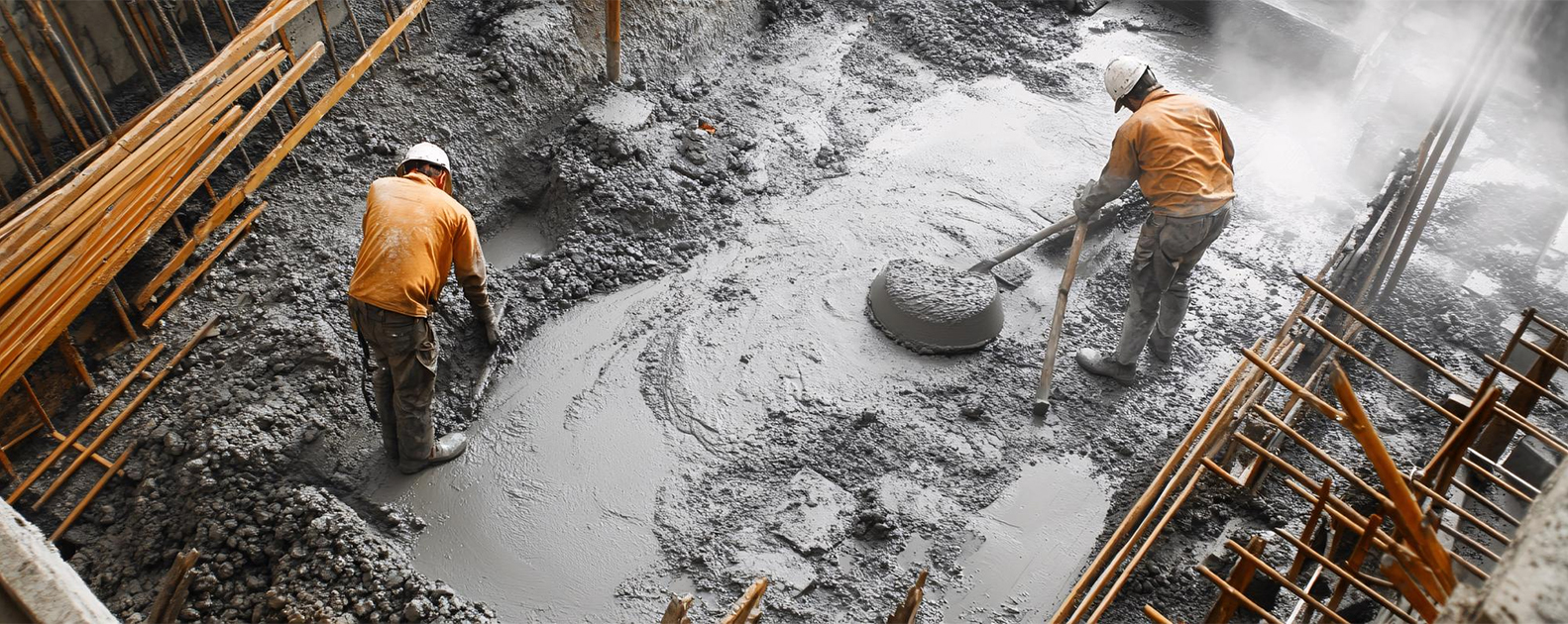
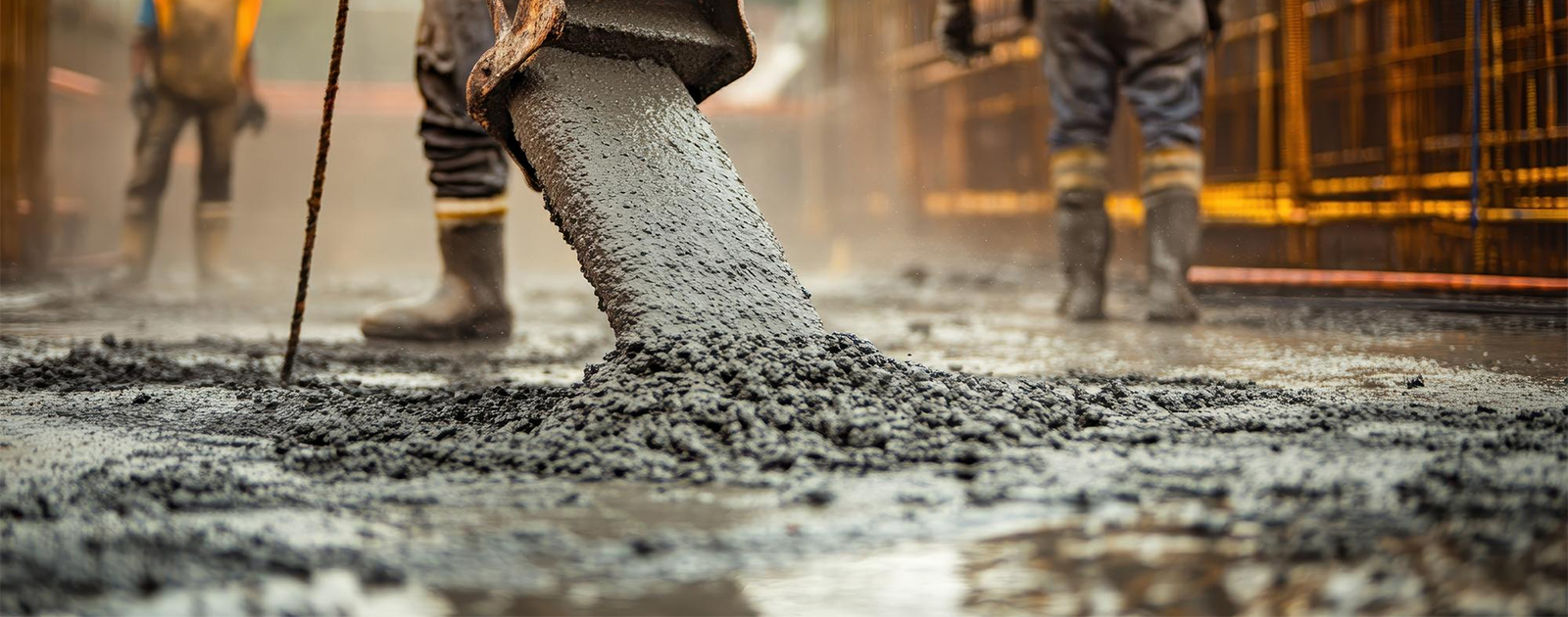
Fresh cement concrete being poured at a construction site, illustrating the cement manufacturing process from raw material extraction to final production by Amrit Cement.

Cement Manufacturing Process: From Raw Material Extraction to Final Production

When you search for information about the cement manufacturing process, it’s often explained in technical detail — but not many resources tell you what matters when making commercial decisions: how different stages impact quality, cost, delivery timing, and ultimately project performance.  This blog explains the cement production process not just as a sequence of steps, but as a practical guide that helps you understand cost drivers, quality checkpoints, and what to look for when choosing a cement brand like Amrit Cement.  Why Knowing about the Process Matters Commercially  You ought to concentrate not in memorising industry jargon, but rather on:  This information will assist you in advancing better procurement choices, deal with dealers and set up your construction budget more precisely.  General Introduction to the Process of Cement Manufacturing  At its core, the cement production process has three major phases:  There are commercial implications of each stage as explained below.  Raw Material Procurement and Preparation  Cement is composed of the base components, which are usually:  These are collected from quarries within the vicinity of the plant.  The selection of the quarry and the quality of material is significant as:  Amrit Cement uses certified quarries with a uniform composition so that variation in the production line is reduced. This consistency in the quality of the inputs used also makes sure that every packet of cement delivers as expected in terms of strength and durability, which in the long run will affect the maintenance cost of the builders.  Crushing and blending is done in order to obtain a homogenous chemical mixture. This combination is continuously monitored in contemporary plants in order to minimize the amount of waste and ensure a predictable quality.  Clinker Manufacturing: The Center of Cement Quality  The mixture of the raw material is then heated using a rotary kiln at very high temperatures (approximately 1450°C). This is the most energy-intensive part of the cement manufacturing process.  Commercial impact of this stage:  Heat Source and Efficiency  Fuel (such as coal or petcoke) is an important cost driver. The efficient use of fuel lowers the manufacturing cost — gains which can be transferred to dealers and eventually to buyers.  Clinker Quality Controls  The quality of clinker, which determines cement strength, is influenced by temperature control and residence time in the kiln.  High-level plants such as those employed by Amrit Cement have real-time sensors and quality controls that monitor the consistency of the clinker. This increases the chances of obtaining reliable concrete at the worksite and reduces the risk of structural issues or premature repairs.  Final Grinding and Packing  After being mixed with gypsum (to regulate the setting time) and occasionally additives (to improve characteristics), clinker is finely ground into cement powder.  This phase impacts:  Commercial considerations:  The grinding practices at Amrit Cement are tuned to provide a balance between performance and efficiency. For buyers, this translates into dependable setting behaviour, strong strength gain, and value for money.  Packing and bagging, although often overlooked, influence logistics cost. Poor bagging increases breakage loss during transit, while sealed bags minimise wastage and preserve quality until use.  What This Implies to Your Project  Understanding the cement production process allows you to evaluate supplier offerings beyond just the price.  Key considerations before purchase:  Standards of Quality and Compliance  All cement sold in India must comply with BIS (Bureau of Indian Standards) specifications and be classified under applicable types such as OPC or PPC.  Manufacturers like Amrit Cement also test and certify their products according to these norms.  Ensure cement bags include:  Non-compliant products may appear cheaper initially but often lead to poor performance and higher maintenance costs later.  Checklist for Buyers (Commercial Perspective)  Key buying criteria linked to manufacturing stages include:  Source of Raw Materials  Ask suppliers about the origin of raw materials and how consistency is maintained.  Production Technology  Check whether modern sensors and automated controls are used. Higher automation generally reduces defects.  Clinker Quality and Storage  Poor storage can allow moisture absorption, reducing cement performance. Well-managed plants control this risk.  Fineness and Additives in Grinding  Confirm whether the cement blend suits your structural or environmental needs (e.g., sulphate resistance).  Logistics and Delivered Cost  Cement may be competitively priced at the plant, but transport costs—especially in Assam and the Northeast—can significantly affect final pricing.  Purchasing Intelligence Based on Manufacturing Insight  Final Thoughts  The cement manufacturing process is not merely a technical checklist; it has real commercial implications for builders and contractors.  By understanding how raw materials, heat processing, grinding, and quality control influence both performance and cost, you can select cement that delivers durability, value, and long-term reliability.  The production strategy used by Amrit Cement focuses on consistency, regulatory compliance, and efficient clinker and grinding processes—helping end users receive not just cement, but dependable performance throughout the lifespan of their structures.  FAQ 1: Why should a home owner care about how cement is manufactured?  As a home owner, the manufacturing process directly affects cement strength, durability, and consistency. Poor manufacturing can lead to cracks, weak concrete, and higher repair costs later. Amrit Cement follows controlled processes—from raw material selection to final grinding—to ensure uniform quality. This means better bonding, long-lasting structures, and peace of mind that your investment in construction will stand strong for years.  FAQ 2: How does cement quality impact a contractor’s work on site?  For contractors, consistent cement quality saves time and reduces material wastage. Cement with uneven strength can cause setting issues and rework. Amrit Cement’s controlled manufacturing ensures predictable setting time and strength development, helping contractors maintain work schedules, reduce complaints, and deliver reliable results to clients—critical for business reputation and repeat projects.  FAQ 3: Does modern manufacturing really improve cement performance?  Yes. Modern manufacturing improves fineness, strength uniformity, and durability. Advanced kilns, automated grinding, and lab testing help Amrit Cement maintain consistent performance across batches. For builders and contractors, this means fewer surprises on site, smoother concrete mixes, and better structural outcomes—especially important for large or commercial projects.  FAQ 4: How does manufacturing quality affect long-term building costs?  Good manufacturing reduces long-term maintenance costs. High-quality cement resists cracks, moisture damage, and strength loss over time. Amrit Cement’s strict production controls help structures stay strong, reducing future repair expenses for home owners and ensuring contractors deliver lasting value to their clients.  FAQ 5: How can buyers identify well-manufactured cement?  Buyers should look for trusted brands, BIS compliance, consistent packaging, and good on-site performance. Amrit Cement follows strict quality checks at every stage, ensuring each bag delivers dependable strength. Choosing such cement protects both construction quality and business

Read More (...)

How Weather Affects Cement Performance

Weather plays a much bigger role in construction than most people realize. Even when the right cement grade and mix design are used, weather conditions can significantly affect cement performance, concrete strength, and durability.  From extreme summer heat to monsoon moisture and winter cold, each weather condition changes how cement reacts with water. Understanding these effects helps prevent cracks, weak strength, and long-term damage.  Why Weather Matters in Cement Performance  Cement gains strength through hydration, a chemical reaction between cement and water. Weather directly controls:  If weather conditions are ignored, even high-quality cement may not perform as expected.  Effect of Hot Weather on Cement Performance  Rapid Water Evaporation  In hot and dry conditions:  This leads to lower strength and poor durability.  Faster Setting Time  High temperature causes cement to set faster, which can:  How to Manage Cement in Hot Weather  Effect of Monsoon Weather on Cement Performance  Excess Moisture and Water Mixing  Rainwater can:  This results in weak bonding and honeycombing.  Delayed Setting and Strength Loss  High humidity slows cement setting, which may:  How to Manage Cement in Monsoon  Effect of Cold Weather on Cement Performance  Slow Hydration Process  In cold conditions:  Risk of Freezing  If water inside concrete freezes:  How to Manage Cement in Cold Weather  Common Weather-Related Cement Problems  Most of these issues can be avoided with proper planning and quality cement.  Importance of Using Weather-Resistant Cement  Cement manufactured with controlled fineness and quality parameters performs more consistently across varying weather conditions. This is why cement quality and brand reliability matter, especially in extreme climates.  Conclusion  Weather has a direct and unavoidable impact on cement performance. Hot, cold, or wet conditions can weaken concrete if not managed properly. By understanding weather effects, following correct site practices, and choosing reliable cement, long-lasting and crack-resistant structures can be achieved.  Amrit Cement Limited produces high-quality cement with consistent fineness and strength properties, designed to perform reliably across different weather conditions. Choosing Amrit Cement Limited means choosing durability, strength, and confidence—no matter the climate.  Frequently Asked Questions (FAQs)  How does hot weather affect cement performance?  Hot weather causes rapid water evaporation, leading to poor hydration and early cracking.  Can rain damage fresh concrete?  Yes. Rain can increase water content and wash away cement paste, reducing strength.  Is cement affected by cold weather?  Yes. Cold weather slows hydration and delays strength gain.  How can cracks be avoided in extreme weather?  Proper curing, correct water–cement ratio, and quality cement help prevent cracks.  Does cement quality help in all weather conditions?  Yes. High-quality cement performs more consistently across temperature and humidity changes.  How long should curing be done in hot weather?  Curing should begin early and continue for at least 7–14 days.  Why choose Amrit Cement Limited?  Amrit Cement Limited ensures consistent quality, controlled fineness, and reliable performance, even under challenging weather conditions. 

Read More (...)

Crack Formation in Concrete and How to Prevent It 

Cracks in concrete are one of the most common problems seen at construction sites. Sometimes cracks appear just a few days after Dhalai, and sometimes they show up months later. While small cracks may look harmless, they can slowly weaken the structure and reduce its lifespan.  Most concrete cracks are not accidental—they are caused by mistakes in material selection, mixing, curing, or workmanship. The good news is that most cracks can be prevented if the right practices are followed from the beginning.  What Is Crack Formation in Concrete?  Crack formation occurs when concrete is unable to handle stress, shrinkage, or environmental changes. Concrete is strong in compression but weak in tension. When internal or external forces exceed its capacity, cracks develop.  Understanding why cracks form is the first step toward preventing them.  Common Causes of Cracks in Concrete  1. Plastic Shrinkage Cracks  These cracks appear within a few hours of Dhalai, mainly due to:  Concrete dries too fast, causing surface cracks.  2. Drying Shrinkage Cracks  As concrete hardens, it naturally shrinks. If this shrinkage is restrained, cracks form due to:  3. Thermal Cracks  Temperature changes cause concrete to expand and contract. Thermal cracks occur due to:  4. Structural Cracks  These are serious cracks caused by:  Structural cracks affect safety and should never be ignored.  5. Settlement Cracks  Settlement cracks happen when:  These cracks usually appear near columns or beams.  How to Prevent Crack Formation in Concrete  Use the Right Cement  Quality cement with controlled fineness and composition ensures:  Avoid using old or low-grade cement.  Maintain Proper Water–Cement Ratio  Excess water may make concrete easy to place, but it:  Always follow recommended mix proportions.  Ensure Proper Curing  Curing keeps concrete moist so strength can develop properly.  Proper curing is one of the most effective crack-prevention methods.  Follow Correct Dhalai Practices  Use Consistent, Quality-Controlled Cement  Mixing different cement brands or batches can cause:  Always use cement from a reliable manufacturer.  Why Crack Prevention Is Important  Ignoring cracks can lead to:  Preventing cracks during construction is far cheaper than repairing them later.  Conclusion  Crack formation in concrete is not just a surface problem—it is often a sign of deeper issues related to material quality and construction practices. By choosing the right cement, maintaining proper mix proportions, and following correct curing and Dhalai methods, most concrete cracks can be avoided.  Amrit Cement Limited produces high-quality, consistent cement with controlled fineness and strength parameters, helping reduce shrinkage and improve durability. When you choose Amrit Cement Limited, you are choosing reliable performance and long-lasting concrete structures.  Frequently Asked Questions (FAQs)  Why do cracks appear in concrete after Dhalai?  Cracks appear due to shrinkage, temperature changes, excess water, poor curing, or low-quality cement.  Are all concrete cracks dangerous?  No. Hairline cracks are usually harmless, but structural cracks can affect safety and must be addressed immediately.  Can curing prevent concrete cracks?  Yes. Proper curing significantly reduces shrinkage and improves strength, helping prevent cracks.  Does cement quality affect crack formation?  Yes. Poor-quality or inconsistent cement increases the risk of cracks due to uneven hydration.  How long should curing be done to prevent cracks?  Curing should be done for at least 7–14 days, depending on cement type and weather conditions.  Can cracks be repaired?  Minor cracks can be repaired, but structural cracks require professional evaluation and corrective measures.  Why choose Amrit Cement Limited for crack-resistant concrete?  Amrit Cement Limited ensures consistent quality, optimal fineness, and reliable strength, which helps minimize crack formation and improve durability. 

Read More (...)

Role of Cement Fineness in Strength Development

When we talk about cement strength, most people focus only on cement grade. But on actual construction sites, another factor quietly plays a huge role in how strong concrete becomes — cement fineness.  Cement fineness directly affects how fast cement reacts with water, how well it binds aggregates, and how much strength the concrete develops over time. Ignoring this factor can lead to slow strength gain, cracks, and durability issues.  Let’s understand the real role of cement fineness in strength development, in a way that makes sense on-site.  What Is Cement Fineness?  Cement fineness refers to how fine the cement particles are. Finer cement has smaller particles, which means a larger surface area comes in contact with water during mixing.  More surface area = faster chemical reaction = better strength development.  How Cement Fineness Affects Strength Development  1. Faster Hydration and Early Strength  Fine cement reacts quickly with water. This results in:  This is especially useful in RCC Dhalai, where early strength is important for formwork removal.  2. Better Bonding with Aggregates  Finer cement particles fill the gaps between sand and aggregates more effectively. This improves:  Poor fineness can leave voids, making concrete weak from inside.  3. Uniform Strength Throughout the Structure  Good cement fineness ensures:  This consistency is critical for long-term durability.  4. Impact on Long-Term Strength  While fineness helps early strength, balanced fineness ensures:  Overly coarse cement may gain strength slowly, while poorly controlled fineness can affect durability.  Problems Caused by Poor Cement Fineness  These issues often appear months or years after construction.  How Cement Fineness Is Controlled  Quality cement manufacturers control fineness through:  This is why cement from reliable brands performs better on-site.  Practical Site Tips for Contractors  Conclusion  Cement fineness plays a silent but powerful role in how strong concrete becomes. It affects hydration speed, bonding quality, and both early and long-term strength. Choosing cement with controlled and consistent fineness is just as important as choosing the right grade.  Amrit Cement is manufactured with advanced grinding technology and strict quality control to ensure optimal fineness, helping concrete gain strong, uniform, and long-lasting strength. When you choose Amrit Cement, you’re choosing reliability that performs consistently on-site.  Frequently Asked Questions (FAQs)  What is cement fineness?  Cement fineness refers to how fine the cement particles are, which affects hydration speed and strength development.  How does cement fineness affect concrete strength?  Finer cement reacts faster with water, leading to better bonding and higher early strength.  Is very fine cement always better?  No. Cement must have balanced fineness. Too fine can increase heat of hydration, while too coarse slows strength gain.  How can cement fineness be tested?  Cement fineness is tested using methods like the Blaine air permeability test.  Can poor cement fineness cause cracks?  Yes. Uneven or poor fineness can lead to improper hydration and crack formation.  Why should I choose branded cement for Dhalai?  Branded cement ensures controlled fineness, consistent quality, and reliable strength performance.  How does Amrit Cement ensure good strength?  Amrit Cement maintains optimal fineness and strict quality control, ensuring strong and durable concrete. 

Read More (...)
right cement for the for dhalai-amrit cement

How the Wrong Cement Choice Can Weaken Dhalai Strength 

When a slab or RCC structure fails, people often blame curing, labour, or weather. But one silent reason behind weak Dhalai is something most people ignore — choosing the wrong cement.  Dhalai is not just pouring concrete. It is about selecting the right cement for the right purpose. Even a small mistake here can reduce strength, cause cracks, and shorten the life of the structure.  Let’s understand how the wrong cement choice affects Dhalai strength and how you can avoid costly mistakes.  Why Cement Selection Matters in Dhalai  Cement works as the binding agent in concrete. If this binding is weak, the entire RCC structure becomes weak — no matter how good the sand, aggregate, or labour is.  The right cement helps:  The wrong cement does the opposite.  Ways Wrong Cement Choice Reduces Dhalai Strength  1. Using Low-Grade Cement for RCC Dhalai  Many sites still use low-grade cement to save cost. This is one of the biggest mistakes.  Low-grade cement:  For slab, beam, and column Dhalai, 43 grade or 53 grade cement is essential.  2. Choosing the Wrong Cement Type (OPC vs PPC)  Not all cement behaves the same.  Using PPC where early load is applied can result in:  Cement should always be chosen based on site requirements, not habit.  3. Using Old or Moist Cement  Cement absorbs moisture easily. Once exposed to humidity or stored improperly, it loses its binding power.  Old or lumpy cement causes:  Always check the manufacturing date and storage condition before Dhalai.  4. Cement Not Suitable for Weather Conditions  Weather plays a big role in cement performance.  Using cement without considering climate leads to:  5. Mixing Different Cement Brands  Many sites mix cement brands during Dhalai when stock runs out.  This leads to:  For one Dhalai, use a single cement brand only.  Common Site-Level Cement Mistakes  These mistakes may not show results immediately, but damage appears over time.  How to Choose the Right Cement for Strong Dhalai  ✔ Use 43 or 53 grade cement for RCC work ✔ Select OPC for early strength and PPC for durability ✔ Ensure cement is fresh and dry ✔ Avoid mixing different brands ✔ Follow proper curing practices  The right cement choice protects both structure strength and reputation.  Long-Term Problems Caused by Wrong Cement  Saving a few rupees on cement can lead to lakhs in repair later.  Conclusion  Strong Dhalai starts before concrete mixing — it starts with choosing the right cement. Using the wrong cement may not show immediate failure, but it silently weakens the structure.  For safe, durable, and long-lasting construction, always choose cement designed specifically for RCC Dhalai and site conditions.  Frequently Asked Questions (FAQs)  Which cement is best for RCC Dhalai?  43 grade or 53 grade cement is best for slabs, beams, and columns.  Can PPC cement be used for slab Dhalai?  Yes, but it requires proper curing and more time to gain strength.  Is old cement safe for Dhalai?  No. Old or moisture-affected cement reduces bonding and final strength.  Does cement brand affect Dhalai quality?  Yes. Consistent, quality-tested cement ensures uniform strength.  Can the same cement be used for plaster and Dhalai?  Not recommended. RCC Dhalai needs higher-grade cement than plaster.  How can I check cement quality on site? 

Read More (...)