How Cement Additives Improve Workability and Reduce Cracking

Cement Additives-amritcem

How Cement Additives Improve Workability and Reduce Cracking

Introduction: The Science Behind Stronger Concrete  Every durable structure starts with a perfect concrete mix. But challenges like poor workability, shrinkage, and surface cracks can affect strength and longevity.  That’s where cement additives come in — special compounds that enhance the performance, workability, and durability of cement.  At Amrit Cement Limited, our R&D team uses advanced additive technology to make every bag of cement more efficient, reliable, and adaptable to diverse construction needs.  What Are Cement Additives?  Cement additives are chemical or mineral compounds added during cement production or at the site to improve its properties.  They play a vital role in:  Some common additives include:  How Cement Additives Improve Workability  Workability refers to how easily concrete can be mixed, placed, and finished without segregation or bleeding.  Here’s how additives help:  Result: Better consistency, reduced labor effort, and improved finish quality.  How Cement Additives Reduce Cracking  Cracks are a major concern in concrete structures, often caused by thermal stress, shrinkage, or improper curing. Cement additives directly help prevent these issues by:  Benefits of Using Cement Additives  Feature  Advantage  Improved Workability                 Easier mixing and placement  Reduced Cracking                 Longer structural life  Enhanced Strength                 Higher compressive and flexural strength  Cost Efficiency                 Reduced repair and maintenance costs  Durability                 Better resistance to moisture, heat, and load  By using advanced additive formulations, Amrit Cement ensures every structure stands stronger for decades.  Applications of Additive-Enhanced Cement  Amrit Cement’s Approach to Additive Technology  At Amrit Cement Limited, we’re committed to innovation that empowers engineers, builders, and homeowners alike.  Our research-driven approach focuses on:  We believe in building a future where every mix delivers strength, smoothness, and sustainability.  Conclusion: Stronger, Smoother, and Smarter Cement Solutions  Cement additives are not just performance enhancers — they’re game changers for modern construction.  At Amrit Cement, we integrate cutting-edge additive technology to deliver superior workability, reduced cracking, and long-lasting durability — ensuring every structure built today stands firm for generations to come.   FAQs: Cement Additives & Workability  Q1. What are the main benefits of using cement additives? They improve workability, reduce water content, enhance strength, and minimize cracking.  Q2. Do additives make cement more expensive? While additives add slight cost initially, they reduce maintenance and repair expenses over time — making them more cost-effective.  Q3. Can additives be used in all cement types? Yes. Additives can be tailored for Ordinary Portland Cement (OPC), PPC, or blended cements depending on project needs.  Q4. Do additives affect the setting time of cement? Yes. Certain additives can accelerate or retard setting, which is beneficial for different climatic and structural conditions.  Q5. How does Amrit Cement ensure additive quality? Amrit Cement follows strict quality control and laboratory testing to ensure every additive blend meets performance standards. 
Read More (...)
Smart Cement-amritcem

Smart Cement: Integrating Sensors for Structural Health Monitoring 

Introduction: The Future of Smart Infrastructure  In the modern construction era, technology and materials science are merging to redefine strength and sustainability. One of the most innovative developments is Smart Cement — a cement mixture integrated with sensors that monitor the structural health of buildings, bridges, and roads in real-time.  At Amrit Cement Limited, we are continually advancing our R&D to create future-ready building materials that ensure safety, longevity, and performance. Smart Cement is the next big leap in that journey.  What Is Smart Cement?  Smart Cement is a specialized type of cement blended with nano-sensors, conductive materials, or fiber optics that can measure changes in stress, temperature, strain, and cracks.  When integrated into structures, Smart Cement acts as a self-sensing material — capable of continuously monitoring its own health and providing data that can prevent catastrophic failures.  How Smart Cement Works: The Technology Behind It  Smart Cement uses embedded sensors that collect and transmit data about the structure’s condition. Here’s how it functions:  This intelligent monitoring system helps ensure safety, efficiency, and cost savings over the life of the structure.  Benefits of Using Smart Cement in Construction  Applications of Smart Cement  Smart Cement is ideal for:  Amrit Cement’s Vision for Smart Construction  At Amrit Cement Limited, innovation drives our commitment to “Building the Future Stronger.” We envision integrating Smart Cement solutions into India’s growing infrastructure ecosystem — ensuring that every bridge, road, and building stands the test of time.  Our R&D team is exploring sensor-embedded cement technology, IoT integration, and AI-based data analytics to bring real-time monitoring and predictive maintenance into the mainstream of Indian construction.  Challenges and Future Outlook  While the integration of Smart Cement is still evolving, challenges like sensor durability, cost efficiency, and data integration remain. However, with companies like Amrit Cement leading research and collaboration with technology firms, mass adoption is on the horizon.  In the near future, Smart Cement will become the standard for high-performance, safe, and sustainable infrastructure across India.  Conclusion: Building a Smarter Tomorrow with Amrit Cement  Smart Cement is more than just a construction material — it’s a game-changer for infrastructure resilience and sustainability. At Amrit Cement Limited, we’re embracing innovation to ensure India’s buildings and bridges not only stand tall but also think smart.  Because the future of construction is intelligent, connected, and powered by Amrit Cement.   FAQs: Smart Cement & Structural Health Monitoring  Q1. What makes Smart Cement different from normal cement? Smart Cement is enhanced with embedded sensors that track stress, cracks, and strain, whereas normal cement lacks this self-monitoring capability.  Q2. Can Smart Cement reduce maintenance costs? Yes. By detecting early signs of damage, it allows for timely maintenance and prevents costly structural failures.  Q3. Is Smart Cement suitable for all construction types? It’s especially useful for critical structures like bridges, tunnels, and skyscrapers, but its applications are expanding rapidly.  Q4. How does Smart Cement contribute to sustainability? It extends the lifespan of structures, reduces the need for replacements, and minimizes material waste — aligning with sustainable construction goals.  Q5. When will Smart Cement be commercially available in India? Research and pilot projects are underway. Amrit Cement is exploring technology partnerships to make Smart Cement accessible soon. 

Read More (...)
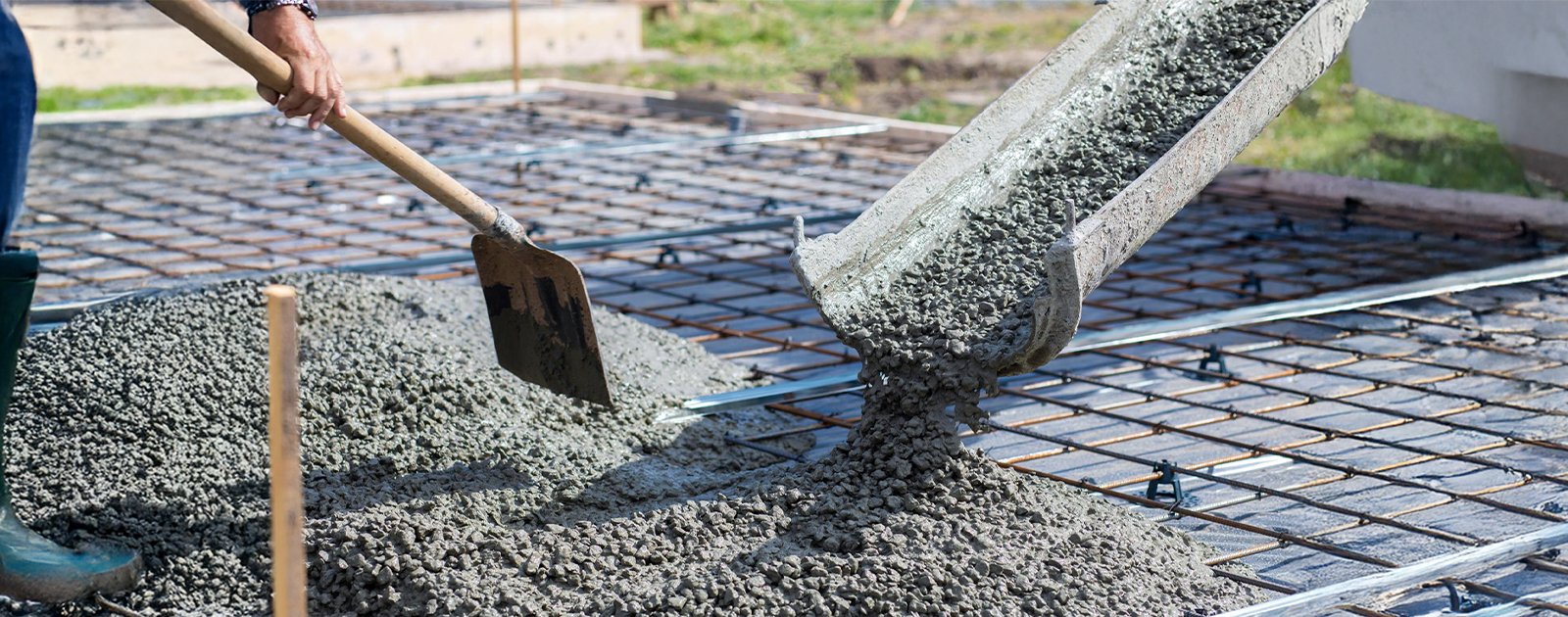
Construction worker pouring cement mixture into foundation mold at building site

Why Amrit Cement is a Leading Supplier and Partner for Dealers in Northeast India

Cement dealers in Northeast India, where construction demand is growing and logistics are complicated, require more than a product — they require a partner. Amrit Cement is one of the few cement suppliers that has established its reputation based on quality cement, solid dealer relationships, consistent delivery, and business development opportunities. Amrit Cement is a brand that stands for profit and credibility and is a brand worth investing in for anyone considering a cement dealership in this area. The Dealer Landscape in Northeast India Dealers in Assam, Meghalaya, Manipur, Mizoram, Tripura, and Arunachal Pradesh handle monthly turnovers ranging from ₹10–20 lakh. Their customer base includes petty contractors, individual home builders, and local government projects. But this market comes with challenges: Dealers who work with strong brands that understand these realities gain a competitive edge. This is where Amrit Cement plays a leading role. Why Amrit Cement Leads Among Cement Suppliers 1. Reliable Product Quality Amrit Cement manufactures OPC and PPC cement that meet strict BIS standards. Its PPC cement is ideal for humid and high-rainfall regions like Assam and Meghalaya, while OPC provides quick setting strength for beams and slabs. With consistent quality, dealers can assure their customers — whether house builders or contractors — that every bag delivers as promised. 2. Logistics Advantage Unlike pan-India brands that often face delivery bottlenecks in remote districts, Amrit Cement has invested in regional plants and distribution networks. This ensures dealers receive stock on time, even during monsoons. Moisture-proof packaging further guarantees that every delivery is fresh and usable. 3. Attractive Dealer Margins and Schemes Dealers need strong returns. Amrit Cement offers competitive pricing, seasonal incentives, and bulk order benefits, helping partners improve cash flow and margins. While other cement suppliers compete only on price, Amrit balances profitability with dealer-friendly schemes. 4. Marketing and Sales Support Through its CRM-led programs and WhatsApp nurturing journeys, Amrit helps dealers connect with buyers and influencers — masons, contractors, and house builders — at the right time. Dealers receive marketing materials, branding support, and timely lead transfers, giving them an advantage over competitors. Cement Dealership Benefits with AmritCem Choosing an Amrit Cement dealership comes with unique benefits: Benefit Value for Dealers Exclusive Territory Rights Reduced competition in your zone Bulk Discounts Higher margins with larger volumes Marketing Materials Banners, dealer boards, digital promotions Training Programs Technical and sales training for dealers & masons After-Sales Support Teams to resolve site-level queries quickly With this dealer-first approach, Amrit Cement is not just a cement supplier but a growth partner. Comparison with Other Cement Suppliers Brand Strengths Dealer Support Limitations in Northeast Amrit Cement Strong PPC for humid climates, reliable supply Dealer schemes, CRM support, bulk discounts Focused on East & Northeast UltraTech Strong brand, pan-India presence Large dealer network High pricing reduces dealer margins Ambuja Consistent quality Standard marketing support Supply-chain gaps in NE ACC Legacy brand with wide recall Contractor-focused training Limited responsiveness for small dealers Shree Cement Budget pricing Basic dealer schemes Weaker brand recall compared to others Amrit Cement wins on regional expertise and personalized dealer support, giving partners an edge in Northeast India. How Dealers Can Grow with AmritCem Steps to Start a Cement Dealership with AmritCem Final Word In the competitive cement market, dealers succeed by partnering with cement suppliers who understand local challenges, ensure reliable supply, and provide long-term growth opportunities. Amrit Cement is more than a supplier — it is a strategic ally for every dealer in Northeast India. If you are planning to expand your business with a cement dealership, Amrit Cement offers the perfect balance of product quality, dealer-first programs, and commercial success.

Read More (...)
Worker using cement mixer to prepare concrete mix at a construction site

A Guide to Cement Grades in India: Decoding OPC 43, 53, and PPC

When you walk into a cement shop or browse online listings, you’re likely to encounter confusing labels like OPC 43, OPC 53, or PPC. Most buyers either follow the dealer’s advice or pick a popular brand. But in construction, such decisions should never be vague. The term cement grades isn’t just industry jargon — it holds technical meaning that directly affects your home’s strength, finish, and lifespan. This guide decodes what OPC 43, OPC 53, and PPC truly mean — not just by listing their strengths but by linking them with their real-world impact on construction. What Are Cement Grades? A Functional Definition Cement grades indicate the compressive strength a cement mixture can bear after 28 days of curing — measured in Megapascals (MPa). For example: But cement grade is not just a number. It determines: So, decoding cement grades means connecting these values with your specific construction task. Grade #1: OPC 43 – The Balanced Middle Ground Full name: Ordinary Portland Cement, 43 GradeIS Code: IS 8112 What it means: Cement that achieves 43 MPa compressive strength in 28 days. Where it fits best: What you should know: OPC 43 offers a controlled strength gain rate, reducing chances of cracks due to heat. It’s ideal for regions with moderate temperatures and low structural loads. Grade #2: OPC 53 – High-Speed Strength Full name: Ordinary Portland Cement, 53 GradeIS Code: IS 12269 What it means: This OPC 53-grade cement reaches high strength faster than 43-grade. It’s formulated to achieve rapid hardening. Where it fits best: What you should know: OPC 53-grade cement generates more heat of hydration, making it unsuitable for large concrete pours unless temperature control is ensured. But when used right, it cuts curing time and speeds up construction. Grade #3: PPC – Strength That Grows Over Time Full name: Portland Pozzolana CementIS Code: IS 1489 (Part 1) What it means: PPC includes fly ash or pozzolanic materials. It doesn’t carry a number grade because its performance depends on long-term chemical reactions. Where it fits best: What you should know: PPC sets slower but becomes more durable over time. It’s also eco-friendly, as it reuses industrial by-products. For homes near rivers or rain-heavy zones, PPC is often more reliable than OPC. Decoding Cement Grades by Application Home Area Best Cement Grade Why RCC Beams & Columns OPC 53 Fast strength, supports heavy load Floor & Wall Plastering OPC 43 or PPC Smooth finish, less cracking Slabs in Humid Regions PPC Moisture resistance, long-term durability Load-Bearing Foundation PPC or OPC 53 Depends on soil condition and load Know Cement Grades Beyond Strength: Heat, Finish & Flexibility Cement Grade Heat of Hydration Setting Time Surface Finish Flexibility in Use OPC 43 Moderate Standard Good High OPC 53 High Fast Requires care Low (strict curing) PPC Low Slow Excellent High Why Cement Grades Affect Repair Costs Later Often, people use OPC 53 everywhere assuming it’s “stronger.” But this may backfire: AmritCem’s Role in the Grade Puzzle AmritCem offers: For Northeast and Eastern India, where soil, rainfall, and humidity levels differ vastly, AmritCem tailors its cement to local conditions — not just labels. Final Guidance: How to Read a Cement Bag To truly decode cement grades: Conclusion Choosing the right cement grade is not about picking the highest number. It’s about understanding what each grade is designed to do — and matching that to your actual construction task. When in doubt, match your cement grade to the function of the structure — not just the brand.

Read More (...)
Worker leveling freshly poured concrete for building foundation at a construction site

How to Choose the Best Cement for Concrete: OPC vs PPC for Foundations, Beams & Slabs

Each decision you make is personal when you are constructing a home. Every stone, every beam, every slab supports the weight of your family, your safety, and your dreams. Choosing the cement to use in concrete is one of these important decisions. It is not just a material — it is what makes your foundation sturdy, your beams straight, and your roof firm. The most common types of cement are OPC (Ordinary Portland Cement) and PPC (Portland Pozzolana Cement). Both possess different characteristics. But which cement for concrete works best for your house? Understanding the difference between OPC and PPC cement helps you decide what is best for your home. Cement Types: What’s the Difference? Feature OPC PPC Composition Clinker + gypsum Clinker + gypsum + fly ash/pozzolana Initial Strength High early strength Gradual strength gain Durability Moderate High (resistant to chemicals, moisture) Heat of Hydration High (risk of cracks in hot weather) Low (suitable for mass concreting) Environmental Impact Higher CO₂ emissions Lower CO₂ emissions BIS Standard IS 269, IS 12269, IS 8112 IS 1489 (Part 1) Ideal Use Beams, columns, high-load areas Foundations, slabs, long-term projects Choosing Cement Based on Home-Building Needs Every Indian home has its unique geography and story. Here’s how to decide based on real needs: Factor Recommendation Strength Need For heavy-load areas, use OPC 53 Grade Project Scale For mass concreting, prefer PPC Time Constraint For urgent timelines, go with OPC Budget Sensitivity For cost savings, PPC is more economical Long-Term Cost Comparison While OPC may appear better due to faster strength gain, long-term maintenance and energy costs matter too. Here’s a cost breakdown based on usage for a typical 1,000 sq.ft. home: Cement Type Initial Cost (per 50kg bag) Maintenance Cost (10 yrs) Total Cost (Approx.) OPC 53 ₹420–₹450 ₹20,000+ (due to cracks) ₹1.75–1.85 Lakh PPC ₹370–₹400 ₹8,000–₹10,000 ₹1.55–1.65 Lakh Conclusion: For Indian weather and budgets, PPC often provides better value in the long run. Legal Standards & Compliance Always buy cement that meets BIS standards: Using substandard or unapproved cement can delay government clearances and even invalidate home insurance claims. For Foundations: Choose PPC The foundation carries the weight of your entire house. It must resist moisture, ground movement, and time. PPC works best here because it forms a dense structure that resists water and chemicals. It reduces the chances of cracks in the future. If you are building a home in a region with high rainfall or near water bodies, PPC provides better safety for your base. For Beams and Columns: Choose OPC Beams and columns carry vertical and horizontal loads. They need early strength so that construction can continue without long delays. OPC 43 or 53 Grade cement provides quick strength and allows formwork removal sooner. If your home requires a fast construction schedule, or if you are building during dry months, OPC can save time. For Roofs and Slabs: Choose PPC The roof and slab are directly exposed to sun, wind, and rain. These elements test the concrete’s strength over time. PPC, with its slow and steady strength gain, reduces cracks and makes slabs last longer. In warm and humid areas, PPC keeps the surface strong and safe, reducing the risk of water seepage and weathering. Which One Should You Choose? Choose OPC if: Choose PPC if: For most homeowners, PPC offers better long-term performance, durability, and cost-effectiveness — especially when sourced from trusted brands like AmritCem. Why Choose AmritCem? At AmritCem, we know that a home is more than a structure — it’s where your family lives and grows. That is why our cements are made with care, tested with precision, and packed with strength. Final Thoughts Your home is your responsibility. The right cement for concrete is not just a material decision — it is a choice for strength, safety, and peace of mind. Understand the difference between OPC and PPC, and the cement needs of each part of your house. Use OPC where time and strength are key. Use PPC where durability and protection are essential.With AmritCem, you don’t just buy cement — you build a future. Strong, secure, and lasting.

Read More (...)
Workers pouring PPC cement mix into a wheelbarrow at a construction site

PPC Cement: The Sustainable Choice for Modern Construction & Plastering

The construction of a home today is very different in comparison to 20 years ago. Increased material prices, drastic weather, and the demand for comfort have altered the way individuals perceive construction. Homeowners now require strong houses, smooth finishes, and reduced long-term costs. Contractors desire materials they can work with and rely on regardless of the weather conditions. This is the reason PPC cement has taken a leading role. PPC cement has the perfect mix of strength, economy, and durability, whether it is a foundation, a roofing slab, or even the final layers of plaster. It is also becoming the preferred cement to use in plastering and is a wiser option for the contemporary house. Why PPC Cement Fits Modern Indian Homes 1. Long-Term Durability in All Climates India’s weather is unpredictable — heavy monsoons in the Northeast, dry summers in Central India, and coastal humidity in states like Odisha and West Bengal. PPC cement, with its pozzolanic composition, naturally resists chemical attacks, dampness, and sulfate damage. Homes built with PPC require fewer repairs, saving money and effort for families in the long run. 2. Cost-Effectiveness Over Time Although the price of PPC is usually lower than OPC, the difference is not only in the per-bag price. It is more workable, which means it gives good coverage in plastering and masonry; thus, fewer bags are required for each area. Families can save ₹10,000–15,000 in cement consumption and save on maintenance costs in the future over a 1,200 sq.ft. home, which is typical. 3. Healthier Indoor Spaces Plastering with PPC cement is more water-resistant, and fewer cracks appear on the surface. This avoids seepage and damp spots, which commonly cause mold and poor indoor air quality. A smoother coating also results in a longer-lasting appearance of walls when paint is applied. To the family, this creates a healthier and cleaner home. PPC Cement and Plastering Plastering is one of the most visible parts of home construction. Uneven walls, cracks, or poor finishes are not only unattractive but also expensive to fix. Here’s why PPC is widely recognized as the best cement for plaster: For both interior and exterior plastering, PPC cement ensures quality and reliability. Modern Sustainability Sustainability is no longer just a buzzword — it is a requirement. Homeowners and developers are increasingly conscious of their environmental impact. For families, this is not just about environmental responsibility; it is also about building a house that meets tomorrow’s standards today. Selecting the Correct Cement Brand Homeowners usually become confused by the many different cement suppliers in India. National manufacturers such as UltraTech, Ambuja, and ACC are common but often expensive. Northeast and Eastern India regional brands such as AmritCem enjoy local experience, competitive prices, and reliable distribution. When buying PPC cement, check for: AmritCem ensures all three, giving buyers peace of mind and contractors confidence on-site. Prior-to-Purchase Advice for PPC Cement Quick Comparison: PPC vs OPC Feature PPC Cement OPC Cement Durability High, resists moisture & chemicals Moderate, less resistant Cost Lower, long-term savings Higher upfront Plastering Quality Smooth, crack-resistant finish Coarser, prone to cracks Sustainability Eco-friendly, uses fly ash Higher carbon footprint Ideal Use Foundations, masonry, plastering Beams, columns, urgent work For homeowners, PPC is the more versatile and cost-effective choice. Why AmritCem PPC is the Smarter Choice AmritCem has already become a reliable supplier of cement in Northeast India. Its PPC cement is designed to be durable in high-moisture areas and comes in packaging that is resistant to moisture. AmritCem PPC has proven reliability with quality control, strong dealer support, and competitive prices, making it suitable for homeowners seeking the best cement for plaster and large projects. Final Word Modern homes need materials that are strong, affordable, and sustainable. PPC cement meets all three requirements, making it the most appropriate cement for plaster and construction that is sure to stand the test of time. By investing in quality, sustainability, and peace of mind with AmritCem PPC, your home becomes stronger, safer, and smarter for tomorrow.

Read More (...)
Construction worker leveling freshly laid cement at a construction site

Understanding Setting Time: Why It Matters for Smooth Construction

In construction, every detail matters — from the foundation to the finishing touches. One crucial factor that often goes unnoticed is the setting time of cement. Understanding setting time can make the difference between a strong, durable structure and one prone to cracks and delays. What is Setting Time? Setting time refers to the period a cement paste takes to start hardening after mixing with water. It is usually divided into two phases: Knowing the right setting time ensures better workability, faster construction, and long-lasting durability. Why Setting Time Matters in Construction 1. Ensures Workability If cement sets too quickly, workers may struggle to finish placing and leveling it. Conversely, if it sets too slowly, the construction process may be delayed, and the structure may be exposed to weather or other elements for too long. 2. Prevents Cracks and Structural Issues Improper setting can lead to uneven curing, causing cracks, weak joints, or even structural failure. Correct setting time allows proper hydration, ensuring strength and stability. 3. Facilitates Timely Construction For large-scale projects, sticking to timelines is crucial. Cement with a predictable setting time helps project managers plan each phase efficiently without rushing or waiting unnecessarily. 4. Enhances Durability Cement that sets at the right pace achieves optimal strength. This translates to a durable structure capable of withstanding natural forces, heavy loads, and the test of time. AmritCem’s Perfect Setting Time At AmritCem, we understand the importance of precision and performance. Our cement is engineered to provide a perfect setting time, balancing workability and strength. Tips to Make the Most of Cement Setting Time Conclusion Setting time is more than a technical term — it’s the backbone of smooth and durable construction. Choosing a cement like AmritCem, with its perfectly balanced setting time, ensures hassle-free workability, timely project completion, and long-lasting strength. Build smarter. Build stronger. Build with AmritCem.

Read More (...)
Modern concrete building under blue sky showing strength and durability with Amrit Cement

How Cement Quality Impacts Building Safety and Lifespan: Why AmritCem Stands Out

The foundation of every strong and durable building starts with one essential material: cement. Cement quality directly affects the safety, longevity, and resilience of structures, making it one of the most critical choices for builders, contractors, and homeowners. While many factors influence construction quality, using a reliable and high-quality cement like AmritCem can make all the difference. Understanding the Role of Cement in Construction Cement is the binding agent in concrete that holds sand, aggregates, and water together. It ensures structural integrity, strength, and resistance to external stresses. Poor-quality cement can lead to cracks, weakened structures, and long-term maintenance issues. Conversely, premium cement guarantees a solid foundation, durability, and safety for years to come. Key Factors Affecting Building Safety How Cement Quality Influences Lifespan The lifespan of a building is directly tied to the quality of materials used, especially cement. Structures built with premium cement last longer, require fewer repairs, and maintain their aesthetic and functional integrity over time. By choosing AmritCem, builders invest in: Why AmritCem Stands Out AmritCem is synonymous with strength, reliability, and trust. Here’s what makes it a preferred choice for contractors, builders, and homeowners: Real-World Impacts of Using Quality Cement When cement quality is compromised, buildings face early deterioration, higher repair costs, and potential safety risks. In contrast, structures built with AmritCem exhibit: Choosing the right cement is not just a technical decision—it’s an investment in safety, durability, and peace of mind. Conclusion Cement is more than just a construction material; it is the backbone of building safety and longevity. Selecting high-quality cement like AmritCem ensures that every structure stands strong, resists environmental challenges, and lasts for decades.For contractors, builders, and homeowners seeking reliability, strength, and peace of mind, AmritCem is the ultimate choice. Building with AmritCem means building with confidence, knowing that safety and durability are never compromised.

Read More (...)
Rainwater falling on a terrace surface during monsoon — protecting your home with quality cement

Cement vs Weather: How to Protect Your Home During Monsoon

Monsoon brings relief from the scorching summer heat, but it also poses serious challenges for homeowners. Heavy rains, strong winds, and high humidity can take a toll on your home’s structure, especially if your construction isn’t resilient enough. One of the most crucial aspects of a sturdy home is quality cement. Choosing the right cement and taking proper precautions can ensure your home stays safe, dry, and durable throughout the rainy season. At AmritCem, we understand that protecting your home is more than just pouring concrete—it’s about using the right materials, proper techniques, and preventive care. Why Monsoon is Tough on Homes During monsoon, homes face a combination of challenges: Given these challenges, the quality of cement used in construction plays a vital role in determining how your home withstands the monsoon. Choosing the Right Cement Not all cement is created equal. High-quality cement ensures better binding, durability, and water resistance, which are essential during heavy rains. AmritCem offers cement formulations designed to provide superior strength and durability, even in challenging weather conditions. Here’s why choosing the right cement matters: By investing in high-quality cement like AmritCem, you’re not just building a home—you’re building a resilient shelter against the elements. Monsoon-Proofing Tips for Your Home Beyond using quality cement, several practical measures can protect your home during the rainy season: 1. Ensure Proper Drainage Waterlogging around your home can weaken the foundation and walls. Make sure your home has proper drainage channels to guide rainwater away from the structure. Regularly clean gutters and downspouts to prevent blockages. 2. Waterproofing is Key Even the strongest cement needs protection. Applying waterproofing solutions on roofs, walls, and balconies helps prevent seepage. AmritCem’s durable cement ensures that your waterproofing layers adhere better, enhancing the overall protection. 3. Seal Cracks and Gaps Small cracks in walls or floors can quickly expand during monsoon, leading to leakage. Inspect your home and seal cracks using cement-based fillers. Using high-quality cement ensures a strong, lasting seal that can withstand rain pressure. 4. Use Proper Plastering Techniques Monsoon rains can erode poorly plastered walls. Ensure that plastering is done with the right cement-to-sand ratio. AmritCem’s cement binds strongly with plaster, providing smooth and durable walls that resist rain damage. 5. Protect Wooden and Metal Surfaces High humidity can damage wood and metal structures. Treat wooden doors, windows, and furniture with waterproof coatings. Use rust-resistant paint for metal fixtures. A strong cement foundation helps prevent water from reaching these surfaces. 6. Keep Your Roof in Check Roofs take the brunt of heavy rainfall. Ensure the roof is properly sloped to prevent water stagnation. Inspect for cracks or weak spots and repair them using high-quality cement. A well-constructed roof minimizes the risk of leaks and structural damage. 7. Regular Maintenance Preventive maintenance is crucial. Inspect your home for early signs of damage, such as peeling paint, damp patches, or mold. Timely repairs using strong cement can prevent minor issues from turning into costly problems. Why AmritCem is Your Monsoon Partner AmritCem is engineered for strength, durability, and resilience. With superior binding properties and high resistance to water penetration, AmritCem ensures that your home remains safe and strong, no matter how heavy the rains. By choosing AmritCem, you’re investing in a home that can endure the harshest weather while keeping your family safe and comfortable. Final Thoughts Monsoon is beautiful, but it can be harsh on homes if not prepared. From water seepage to structural wear and tear, the rainy season tests the strength of your home like no other. Using high-quality cement like AmritCem, following proper construction techniques, and taking preventive measures can make all the difference. Remember, a strong home starts from a strong foundation. Protect it with AmritCem, and let your home weather every storm with confidence. Build Strong. Build Safe. Build with AmritCem.

Read More (...)
Worker applying cement on a brick at a construction site — choosing quality cement for house construction

Top 5 Mistakes to Avoid While Choosing Cement for House Construction

Building a dream home requires careful planning, the right materials, and attention to detail. One of the most critical decisions in construction is selecting the right cement. The quality of cement directly affects the strength, durability, and longevity of a structure. Choosing the wrong type or brand can lead to structural issues, cracks, and even safety hazards over time. Here’s a guide to help you avoid the top 5 mistakes while selecting cement for house construction, ensuring your home stands strong for years to come. 1. Ignoring Cement Type and Grade One of the most common mistakes is not paying attention to the type and grade of cement. Cement comes in various grades like 43, and 53, which indicate the compressive strength of the cement after 28 days. Tip: Always use 43 or 53-grade cement for structural construction. Brands like AmritCem offer high-quality cement with consistent strength and durability for every grade. 2. Choosing Cement Based on Price Alone Many homeowners and builders make the mistake of picking the cheapest cement available in the market. While it might save some money upfront, it can cost much more in repairs and maintenance later. Tip: Always prioritize trusted cement brands that guarantee quality and performance. AmritCem, for example, is known for its superior Dhalai strength, ensuring your house is built to last. Investing in quality cement ensures long-term safety and reduces future maintenance costs. 3. Not Checking Cement Storage and Freshness Cement is highly sensitive to moisture and improper storage. Using old or poorly stored cement is a common mistake that affects the construction quality. Tip: Always check the manufacturing date and ensure the cement is stored in a dry, moisture-free place. AmritCem provides cement in moisture-resistant packaging, making it easier to maintain its quality on-site. Always buy cement in quantities that can be used within one month of purchase to ensure maximum effectiveness. 4. Ignoring Cement Compatibility with Construction Needs Different construction requirements need different types of cement. Choosing cement without considering the specific application can lead to structural issues. Tip: For structural work, use AmritCem Ordinary Portland Cement (OPC). For plastering and masonry work, Portland Pozzolana Cement (PPC) is ideal as it offers smooth finishes and better workability. Understanding your construction needs ensures the right cement for every part of your house. 5. Neglecting Quality Certifications Quality certifications are a key indicator of a cement brand’s reliability. Ignoring this can lead to using substandard products that fail under stress. Tip: Always look for cement that is ISI certified and has undergone strict quality checks. AmritCem adheres to industry standards and provides high-quality cement that meets rigorous testing for strength, durability, and consistency. Choosing certified cement guarantees that your house is safe and built to last. Bonus Tip: Work with Trusted Dealers Apart from choosing the right cement, it’s equally important to purchase from trusted dealers. Reliable dealers ensure you get fresh, quality-packed cement and guidance on the right type for your construction needs. AmritCem has a network of authorized dealers who provide authentic products and expert advice for homeowners and contractors alike. Conclusion Selecting the right cement is more than just a purchase—it’s an investment in the strength and longevity of your home. Avoiding these common mistakes ensures that your house stands firm, safe, and beautiful for generations. Remember the five key mistakes to avoid: By making informed choices and using trusted brands like AmritCem, you can build a home that truly lasts. After all, a strong foundation starts with the right cement.

Read More (...)