Cement Mix Ratios for Different Construction Needs

Cement Mix Ratios- AmritCem

Cement Mix Ratios for Different Construction Needs

When it comes to building a strong, durable, and long-lasting structure, the right cement mix ratio plays a critical role. Whether you’re constructing a house in Assam, laying a foundation in Meghalaya, or plastering walls in Nagaland, the perfect blend of cement, sand, and aggregate ensures both strength and stability. At AmritCem, the most trusted cement brand of North-East India, we believe that every durable construction starts with the correct mixture. In this blog, we’ll guide you through the ideal cement mix ratios for various construction purposes – keeping in mind the unique climate and terrain challenges of the North-East. Why is Cement Mix Ratio Important? The North-East faces heavy rainfall, high humidity, and challenging soil conditions. Using the right cement mix ratio ensures: The wrong ratio can lead to weak structures, water seepage, and early deterioration, which is risky in high-moisture regions. Common Cement Mix Ratios in Construction Different parts of a building require different strengths. Here are some standard ratios used across North-East India’s homes and projects: 1. For Foundations and Footings 2. For Concrete Slabs (Flooring, Roof) 3. For Columns and Beams 4. For Plastering Walls 5. For Brick Masonry (Mortar) Key Tips for Mixing Cement in the North-East Why Choose AmritCem for Your Construction in the North-East? AmritCem is trusted by homeowners, contractors, and builders across Assam, Meghalaya, Tripura, Mizoram, Nagaland, and Manipur for its consistent quality and superior strength. Our cement is designed to withstand the unique challenges of the North-East, such as heavy rainfall, high humidity, and hilly terrain. 1.High compressive strength for tough conditions2.Excellent workability for all types of construction3.Durability that lasts for decades in any weather When you choose AmritCem, you choose a foundation that stays strong for generations – no matter where you are in the North-East. Final Thoughts The right cement mix ratio is the backbone of any construction project. Always follow the recommended ratios for your specific need, and never compromise on the quality of cement. For strong, reliable, and long-lasting construction in the North-East, choose AmritCem – Har Dhalai Ki Jaan. Looking to build your dream home in the North-East?Contact us today or visit www.amritcem.com to know more about our premium cement products.

Read More (...)
Construction project completed with Amrit Cement

Cement for Roads, Bridges & Large Projects – Choosing the Best Solution

Massive infrastructure projects such as highways, bridges, and flyovers require meticulous attention to detail. These structures must withstand heavy loads, constant traffic, extreme weather conditions, and environmental stressors like water exposure. This becomes even more critical in regions prone to challenges like high rainfall, floods, and hilly terrains, such as Northeast India. In such contexts, choosing the right cement can determine whether a structure endures for decades or becomes a candidate for frequent repairs. The Importance of Cement Selection in Infrastructure Projects Roads and bridges don’t just facilitate mobility—they drive economic growth and connectivity. They face varying challenges, including high compressive stresses from heavy vehicles, temperature fluctuations causing thermal expansion, and exposure to moisture and harsh environmental chemicals. These issues are magnified in the Northeast due to prolonged monsoons, landslides, and floods. As a result, engineers prioritize cement with features that cater to the following: Common Cement Choices for Large-Scale Projects 1. Portland Pozzolana Cement (PPC) 2. Ordinary Portland Cement (OPC) Available Grades: Why OPC is Optimal for Bridges and Highway Construction in the Northeast Strength and reliability are indispensable for structures such as bridges, flyovers, and high-speed corridors—especially under Northeast India’s unique conditions of dynamic loading, intense rainfall, high moisture levels, and challenging terrains. OPC becomes a natural choice due to its distinctive advantages: AmritCem OPC – Engineered for Northeast India’s Large Infrastructure Projects AmritCem has tailored its OPC products to address the distinctive demands of infrastructure development in Northeast India—balancing strength, resilience, and workability even under difficult conditions. Whether it’s building flood-resistant bridges or completing prolonged site operations across remote locations, AmritCem OPC 43 and OPC 53 Grade deliver unmatched performance advantages: Widely embraced by engineers and contractors in states like Assam, Meghalaya, and Tripura, AmritCem OPC stands as a trusted cement solution across Northeast India’s toughest projects. Key Takeaway Selecting the right cement plays a critical role in ensuring the longevity and efficiency of infrastructure projects. While PPC remains effective for general roads and pavements, OPC emerges as the ideal candidate for heavy-duty load-bearing structures requiring high strength and durability—particularly in the challenging climate of Northeast India. With AmritCem OPC leading the way, engineers can confidently build resilient infrastructure designed to withstand time and nature. AmritCem OPC – Building Foundations That Last! [Connect With Us Today]

Read More (...)
Cement Requirements for House Construction

How to Calculate Cement Requirements for House Construction

Building your dream home involves careful planning, and one crucial aspect is calculating the right quantity of materials, especially cement. Using too little cement can compromise the structure’s integrity, while excessive amounts can inflate costs needlessly. This guide outlines how to determine cement requirements, factors influencing consumption, and the importance of selecting the right brand. Why Accurate Cement Calculation Matters Cement is pivotal in providing strength and durability to any construction project. Proper estimation ensures: Step-by-Step Process for Calculating Cement Requirements For a slab measuring 10×10 ft with a thickness of 0.5 ft, you would need approximately six bags of cement. Quick Cement Estimates for Various Works The following estimates provide a general idea for every 100 square feet (adjustments may apply based on specific requirements): Construction Work Cement Bags Needed RCC Slab (4–5 inches thick) 6–7 bags Brickwork (9-inch wall) 2–3 bags Plastering (12 mm thick) 1–2 bags Factors Influencing Cement Requirements Several factors affect cement consumption, including: Selecting the Right Cement Brand Investing in high-quality cement directly impacts your home’s strength and longevity. AmritCem stands out with its superior binding capacity, exceptional durability, and consistency in quality—ensuring your home remains solid and enduring for generations. Why Choose AmritCem? With AmritCem’s advanced formulation, you get reliability and strength for every application. Secure your home’s foundation with a trusted partner—AmritCem: Har Dhalai Ki Jaan. Final Tips Accurately estimating cement requirements is key to building a strong, cost-effective home. Always double-check your measurements and consult with an engineer for precise calculations. When choosing cement, opt for a brand that guarantees lasting quality—like AmritCem—and strengthen your home for years to come.

Read More (...)
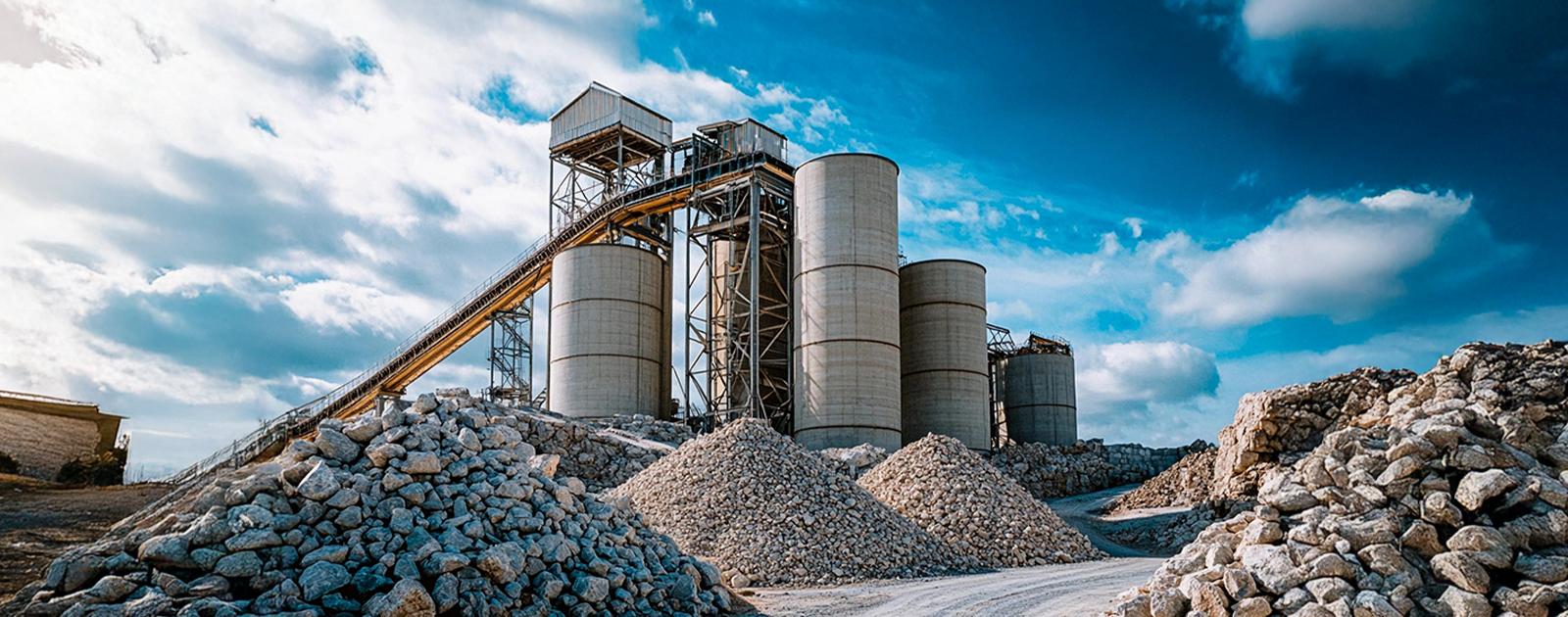
Amrit Cement manufacturing plant with raw materials and silos – Behind the scenes of cement production at AmritCem plants

Cement Manufacturing: Behind the Scenes at AmritCem Plants

When a structure stands firm against wind, rain, and time, it reflects a series of calculated choices — one of the most critical being cement. At AmritCem, the focus goes beyond producing cement bags; the priority lies in consistently delivering a dependable construction material for diverse projects in demanding environments. Across active North-Eastern markets — from bustling towns to remote hill districts — AmritCem products have supported both public and private construction. The following is an overview of the cement manufacturing process followed across AmritCem plants. Raw Materials: Forming the Backbone of Production Every high-performing cement begins with carefully selected raw materials. At AmritCem, limestone, clay, and laterite are sourced from specifically chosen quarries based on their chemical composition. These inputs form the backbone of cement manufacturing. Once sourced, the raw materials are sent to crushing units. The objective here is precision — large pieces are reduced into uniformly sized particles. Consistency at this stage ensures strength and durability in the final product. Proportioning: Achieving the Correct Chemical Mix After crushing, the materials enter blending silos, where automated systems measure and proportion them with accuracy down to small fractions. The aim is to achieve an optimal raw mix that ultimately produces high-quality clinker. Proportioning directly impacts product consistency. Excess silica can delay setting time, while surplus lime increases the risk of cracks. Maintaining this balance helps ensure reliable performance — from large-scale projects in Guwahati to residential structures in Meghalaya. Kiln Operations: The Transformation Stage Transformation occurs inside the rotary kiln — a rotating steel cylinder heated to temperatures above 1,450°C. Here, the raw meal undergoes chemical reactions: limestone decomposes, silicates form, and clinker nodules (marble-sized pellets) are produced. At AmritCem, advanced control systems optimise kiln efficiency to reduce emissions and fuel consumption. This stage demands both technical precision and engineering judgement to produce high-binding-strength material. Clinker Cooling and Handling Clinker exits the kiln at extremely high temperatures and must be rapidly cooled to preserve structural quality. Air cooling systems — such as grate coolers — are used to lock the material into a desirable mineral phase. Controlled cooling prevents the loss of mechanical resistance, supporting the production of stronger final cement. Grinding and Cement Blending Clinker is combined with gypsum and, when required, performance-enhancing additives such as fly ash (used in PPC variants). The mixture is ground using ball mills or vertical roller mills into a fine powder, commercially identified as cement. Different grades are prepared based on end use: Quality Control and Testing Testing is continuous throughout production. Samples are evaluated in well-equipped laboratories for fineness, consistency, setting time, compressive strength, and chemical composition. These interventions ensure that cement used in structures — from bridge decks to interior plaster work — performs reliably. Packaging and Dispatch Once approved, cement is packaged in moisture-resistant bags to maintain quality during transport — especially across humid and hilly terrains. Automated filling lines ensure correct weight and sealing standards. Finished products are dispatched via road and rail networks, ensuring accessibility across both urban and rural supply points in Northeastern India. Sustainability Measures in Production AmritCem adopts multiple interventions to reduce environmental impact. Waste heat recovery systems, the use of alternative fuels, and energy-efficient machinery contribute to lowering the overall carbon footprint. Fly ash from thermal power plants is also used in producing PPC cement — integrating industrial by-products without compromising performance. Conclusion In summary, the cement manufacturing process at AmritCem is a carefully controlled progression from raw materials to precision-tested final product. The focus remains on consistency, performance, and responsible production. Every bag produced carries the objective of delivering durable, reliable cement designed to meet the demands of modern construction across the region.

Read More (...)
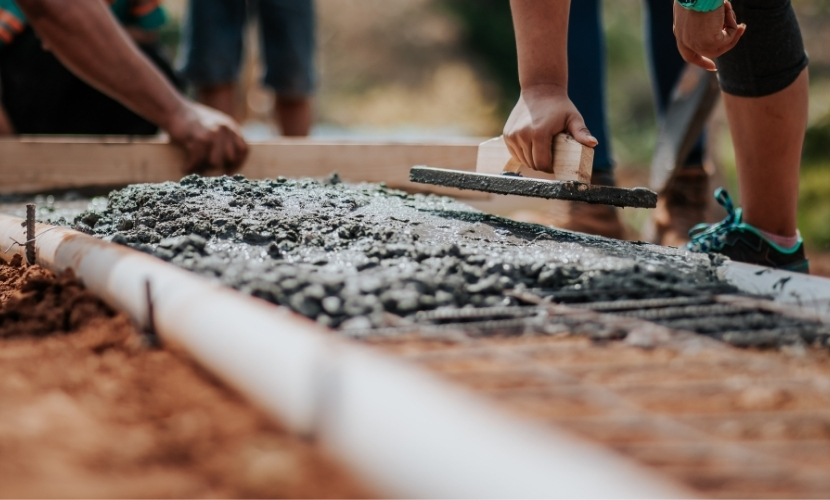
Worker plastering wall with cement for smooth finish – Best cement for plastering and application guide | Amrit Cement

Best Cement for Plastering: Expert Guide to Quality & Application

When it comes to giving your walls a smooth, durable, and crack-free finish, choosing the best cement for plaster is not just useful — it’s critical. Whether you are building a new home, renovating an existing space, or adding those final touches that transform a structure into something beautiful, plastering is where aesthetics and strength truly come together. In this process, the cement you select can make all the difference. At AmritCem, we believe plaster is not merely about covering bricks — it is about crafting the canvas on which your dreams will take shape. Choosing the Right Cement for Plastering Plastering is not just the final step before painting; it also protects walls from moisture, fills gaps, improves insulation, and provides a classy finish. Poor-quality cement can cause cracks, uneven surfaces, or even early signs of dampness. A high-quality cement for plastering ensures: Cement Varieties for Plastering Not all types of cement are equally effective for plastering. Let’s explore the most common options: OPC (Ordinary Portland Cement) Grades: OPC 33, OPC 43, OPC 53 PPC (Portland Pozzolana Cement) Made from clinker, gypsum, and pozzolanic materials such as fly ash. Why it’s good for plastering: PPC is often considered the best cement for plaster as it balances strength, durability, and smoothness. The Advantage of PPC in Plastering For plastering, strength, consistency, and workability all matter. PPC cement offers: At AmritCem, our PPC cement is packed with moisture-proof technology, keeping it fresh and effective even during humid weather or long-distance transport. Factors to Consider When Choosing Cement for Plastering Choosing the right cement depends on project requirements. Consider these factors: Tips for Perfect Plastering Even with the best cement, proper application ensures the best results. Experts recommend: Why AmritCem PPC Cement Is Best for Plastering AmritCem’s PPC formulation is designed for superior workability, bonding strength, and moisture resistance. Whether in coastal, high-rainfall, or variable-climate regions, our PPC cement ensures plaster that stays smooth and durable for years. Key Advantages of AmritCem PPC: Final Word: Build Strong, Build Beautiful Plastering transforms bare walls into elegant, lasting finishes. The cement you choose determines not just the look, but also the protection of your home. While OPC may work in certain cases, PPC remains the most recommended option for plastering, striking the right balance between strength, durability, and economy. With AmritCem PPC, you get a product developed through expert formulation and rigorous quality checks — ensuring your walls stay beautiful and strong for generations.Because with the right cement, every wall becomes a masterpiece — smooth, strong, and ready to shine.

Read More (...)
Amrit Cement bags stacked in warehouse – Cement price forecast and market trends for August 2025 | Amrit Cement

Cement Price Forecast August 2025: Trends & Market Analysis

The Indian cement market in 2025 has shown consistency, with only minor fluctuations. For anyone planning construction — from homeowners in small towns to contractors managing large infrastructure projects — the first question is inevitably: “What is the cement price today?” This single figure can significantly impact project budgets, timelines, and even material selection. The slowdown caused by monsoons and the steady urban demand, combined with manufacturers’ conservative yet optimistic outlook, are shaping the market scenario. While seasonal slowdowns are evident in certain regions due to wet construction sites, metropolitan areas continue to witness strong demand, keeping price variations minimal. This means it is not enough to simply know the numbers — understanding the factors behind them is key to making a smart purchase decision. Regional Realities and Urban Resilience Across India, the retail cement selling price is approximately ₹360–₹420 per 50 kg bag, depending on the brand, grade, and geographical location. The stability of rates in central markets usually reflects the close ties between price, production levels, and demand. In Delhi, cement prices range between ₹380–₹400, driven by steady demand from real estate development, infrastructure expansion, and commercial growth in the national capital and the NCR. Ongoing public projects, such as metro line extensions and road construction, further support this steady yet high demand. Additionally, Delhi’s proximity to manufacturing hubs in Haryana and Rajasthan helps reduce transportation costs and ensures uninterrupted supply. Factors Driving Price Stability The stability of cement prices is not accidental. Manufacturers carefully balance production and distribution to avoid shortages that could push rates higher. Key input materials, such as coal and pet coke, have also remained steady in cost, enabling producers to maintain pricing. While rains slow down rural construction in states like Odisha, Bihar, and Assam, metro cities such as Delhi, Mumbai, and Bengaluru offset this dip with sustained demand. Government initiatives like Bharatmala and Smart Cities Mission further support the market. Cement Price in Delhi: A Closer Market Analysis In Delhi NCR, cement prices are shaped by more than just supply and demand. Large-scale projects — from multi-storey housing in Noida to flyover construction — generate continuous consumption. Intense competition among top cement brands keeps pricing in check, with frequent adjustments in offers and bulk purchase deals ensuring relative stability. Cement Price Development and Forecast Although current cement prices remain in a stable range, it is important to adopt a forward-looking perspective. Post-monsoon months, coupled with increased government infrastructure spending, are expected to push prices up by ₹10–₹25 per bag between October and January. Buyers can plan procurement accordingly to optimize costs. Cement Price Range by Region and Grade (Indicative) Region OPC 53 Grade (₹ per 50kg bag) OPC 43 Grade (₹ per 50kg bag) PPC Cement (₹ per 50kg bag) North India (Delhi NCR, Punjab, Haryana, Rajasthan) ₹380 – ₹420 ₹360 – ₹400 ₹340 – ₹380 South India (Tamil Nadu, Karnataka, Kerala, Andhra Pradesh) ₹390 – ₹430 ₹365 – ₹405 ₹345 – ₹385 East India (West Bengal, Odisha, Assam, Bihar) ₹375 – ₹415 ₹355 – ₹395 ₹335 – ₹375 West India (Maharashtra, Gujarat) ₹385 – ₹425 ₹365 – ₹405 ₹345 – ₹385 Regional-Based Purchasing Strategy Why Buying at the Right Time Matters Purchasing at the right time helps stabilize budgets, especially for large projects. Fixing prices during stable phases allows big projects to avoid cost overruns. For smaller works, monitoring daily rates can help take advantage of short-term dips. Season Ahead Outlook The Indian cement industry remains balanced — prices are stable, input costs are under control, and demand remains predictable. Whether for home building or large-scale infrastructure, keeping track of cement prices and regional trends can help buyers plan smartly for the coming months.  

Read More (...)
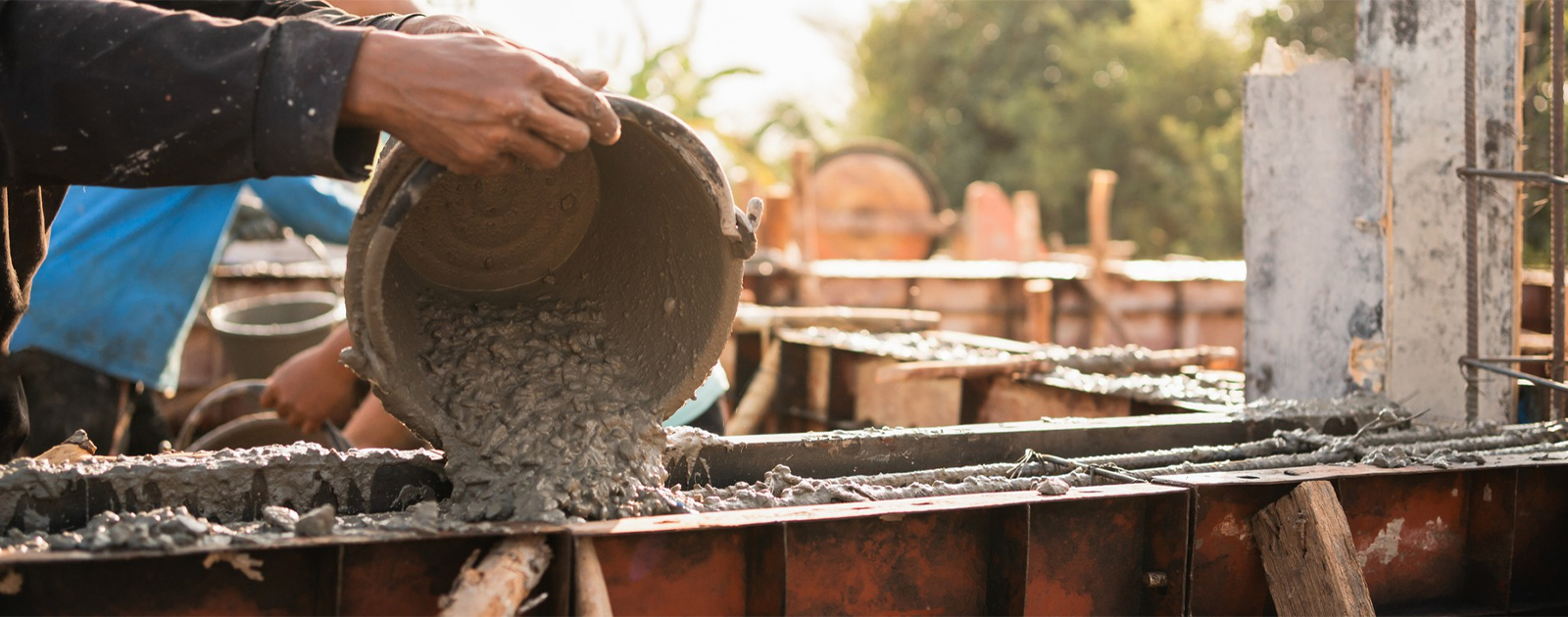
Worker pouring Amrit Cement into a bucket – OPC 53 vs 43 Grade Cement comparison for construction projects | Amrit Cement

OPC 53 vs 43 Grade Cement: Which is Right for Your Construction?

All construction projects begin with decisions — the aesthetics, how it will be set up, and the components used. Among these, one of the most crucial decisions is its impact on the building’s safety, strength, and durability — the grade of cement being used. In India, OPC 53 grade cement and 43 grade cement are two of the most common options for builders and homeowners. At first glance, the difference may appear small — just a number. However, in practice, that number signifies differences in strength, working properties, and adaptability to various construction needs. The selection process is not about deciding which cement is “better”; it is about determining the most suitable cement to meet the specific requirements of the project. What Cement Grade Means The grade of cement denotes its compressive strength — that is, the resistance of cement to load when cured — which it can sustain after 28 days. However, these figures are not everything. How quickly each grade attains its strength, how much heat is released during setting, and how workable the cement is during construction all influence the final outcome. OPC 53 Grade Cement – High Strength, Quick Results What it is: Ordinary Portland Cement (OPC) 53 grade is a high-strength cement that attains its target strength quickly. It develops 53 MPa in 28 days, with accelerated strength gain during the first week. Best suited for: Advantages: Things to remember:Since OPC 53 grade produces more heat during hydration, thorough curing is essential to prevent shrinkage cracks — especially in hot or dry climates. Proper curing is key to long-term durability. 43 Grade Cement – Steady Performance, Lasting Results What it is: 43 grade cement develops its full strength gradually, reaching 43 MPa after 28 days. Its slower setting time and steady strength gain allow for more mixing, placing, and finishing flexibility. Best suited for: Advantages: Things to remember: While not as strong as OPC 53 grade, it is sufficient for most residential and non-heavy-load projects. It is also economical due to its balance of durability and workability. Key Differences Between OPC 53 and 43 Grade Cement  Feature  OPC 53 Grade Cement  43 Grade Cement  At 28 days strength  53 MPa  43 MPa  Strength gain speed  Fast  Moderate  Suitable for  High-rises, bridges, RCC  Houses, plastering, base works  Heat generation  Higher  Lower  Workability  Less (fast setting)  Greater, smoother handling  Cost Comparison Between OPC 53 Grade Cement and 43 Grade Cement  Cement Grade  Avg. Price per 50kg Bag (₹)  Typical Use-case Cost Impact  Long-term Maintenance Cost  OPC 53 Grade Cement  ₹380 – ₹420  Higher upfront material cost but reduced labour costs due to faster setting and early strength gain  Lower in heavy load structures due to durability  43 Grade Cement  ₹340 – ₹380  Economical for residential and finishing works  Slightly higher if used in high-load areas due to potential repairs  Decision Table for Cement Grade Selection Factor OPC 53 Grade Cement 43 Grade Cement Recommendation Notes Strength need High Moderate 53 Grade for heavy load Avoid 43 Grade in high-rises Project scale Large-scale Small to medium Match grade to scale Can mix both for cost efficiency Time constraint Short timelines Flexible timelines 53 Grade saves time 43 Grade allows more working time Budget sensitivity Moderate to high budget Budget-friendly Choose 43 Grade for savings Bulk buying reduces cost Legal Standards and Compliance In India, cement grades must comply with Bureau of Indian Standards (BIS) regulations: For government or heavy-load projects, compliance with these standards is mandatory. Always check the ISI mark and certification on packaging before purchase. Brands to Look Out For Brand Available Grades Price Range (₹ per 50kg bag) Strength & Durability Notes Amrit Cement OPC 53, OPC 43 ₹350 – ₹400 Competitive pricing, high workability, strong regional presence UltraTech Cement OPC 53, OPC 43 ₹370 – ₹420 Consistent quality and wide availability Ambuja Cement OPC 53, OPC 43 ₹360 – ₹410 Popular for residential use ACC Cement OPC 53, OPC 43 ₹365 – ₹415 Suitable for both small and large projects Shree Cement OPC 53, OPC 43 ₹355 – ₹405 Affordable, offers strong early strength Pre-purchase Guidance Tips for Best Results Professional Recommendation Building the Future Cement is not just a binding material — it is the backbone of your building. Choosing between OPC 53 and 43 grade cement means selecting the right properties for your project. The right decision ensures satisfaction today and provides strength and reliability for decades to come. Whether it is the high performance of OPC 53 or the steady reliability of 43 grade, the right choice ensures every brick, beam, and slab comes together to create a lasting structure. When you build, build wisely — so that your work outlasts walls, houses, and roofs, and becomes a heritage of trust.

Read More (...)
Cement Application On Wall

Cement Factory in Northeast India: Production & Supply Chain

The hills of Northeast India don’t just shape the region’s geography — they shape how people build. In a land where monsoons hit hard, transportation is tricky, and villages are linked by winding routes, construction becomes more than infrastructure. It becomes a symbol of stability, growth, and resilience. In this setting, a cement factory in Meghalaya is more than an industrial site. It’s a lifeline — one that powers the development of local communities, public institutions, and homes across Assam, Tripura, Arunachal Pradesh, and beyond. Let’s take a closer look at cement production and transportation in this part of the world, and how cement factories in Meghalaya are becoming a crucial part of India’s growth story. The Source of Strength: Cement Production in the Hills Cement production in Meghalaya begins where nature meets engineering. Rich in limestone, the region offers the essential raw materials for high-quality cement. This natural advantage reduces the need for long-distance hauling, making manufacturing both sustainable and efficient. Local factories follow a systematic production process, starting from raw material extraction to grinding and packaging. But the key is consistency. Limestone and clay are thoroughly mixed, crushed, and passed through a rotary kiln to form clinker. Once cooled, the clinker is crushed with gypsum and other additives to create cement — which is then rigorously tested for strength, setting time, and durability. Each step is carefully monitored. In the Northeast’s high-humidity climate, even minor formulation or moisture changes can affect performance. That’s why cement plants in Meghalaya are designed to deliver not just volume, but also quality that can withstand the weather, terrain, and time. Why Local Manufacturing Matters Producing cement close to where it’s needed not only saves time but also builds trust. In the Northeast, where delays can stall entire projects, having a cement factory in Meghalaya ensures quicker delivery, fresher stock, and fewer logistical hurdles. This matters to contractors and homeowners who can’t afford compromises during critical moments like Dhalai (slab casting) or foundation work. They need cement that mixes and sets well, works without extra additives, and doesn’t lead to costly delays. Local factories are quicker to respond to stock demands, market shifts, and weather disruptions. They also offer easier access to technical assistance — a small but crucial edge for teams working under tight deadlines or in remote areas. The Supply Chain: Built for Tough Roads Transporting cement in the Northeastern states isn’t like shipping it across flat highways. It means navigating steep slopes, narrow roads, seasonal landslides, and unpredictable weather. This is where the supply chain turns into a strategic asset. From cement plants in Meghalaya, the product travels to distributors and dealers through a tightly coordinated logistics network. Cement is packed in moisture-proof bags and handled with care during loading and transit. Warehousing facilities at key points help reduce lead times and ensure faster last-mile delivery. In a region where accessibility is half the battle, companies that invest in robust dealer networks and logistics infrastructure quickly stand out. A Local Backbone for Regional Growth From homes in Shillong to bridges in East Khasi Hills and schools in West Tripura — demand for quality cement is steadily growing. With government-backed infrastructure, public works, and private investments on the rise, the need for reliable construction materials has never been greater. Cement factories in Meghalaya don’t just support this demand — they empower it. By staying close to the ground, maintaining strict quality control, and ensuring swift supply, they serve as the backbone of the region’s development. For families building their first home, for contractors racing against time, and for masons working through rain and mud — reliability is everything. Conclusion In the Northeast, the journey from limestone quarry to construction site is long and often uphill — both literally and logistically. But every time a bag of cement arrives on time, mixes right, and performs flawlessly, it builds more than just a structure. It builds trust. Trust that the roof won’t leak.That the wall won’t crack.That what’s built will last. A cement factory in Meghalaya isn’t just a part of the industry — it’s a symbol of integrity, progress, and strength.

Read More (...)
Wall Cement

Top 5 Cement Brands in India 2025: Quality & Price Comparison

Selecting the right cement is one of the most important decisions in any construction project. Whether it’s a home, a commercial building, or a government infrastructure project—as long as it’s someone’s dream—the strength of that dream starts with choosing the right cement. India’s construction growth continues to accelerate across housing, infrastructure, smart cities, and more. As new projects break ground daily, the demand for high-quality, region-ready cement has never been higher. Amid countless options, one name is steadily rising for its trust, performance, and customer-first approach—AmritCem. Let’s explore why AmritCem is emerging as a preferred cement brand in India for 2025. AmritCem: Built on Trust and Regional Strength AmritCem is not just another name in the cement industry. It’s a brand built with a purpose—to offer high-quality cement that performs in real-world conditions and resonates with local needs. What sets AmritCem apart is its focus on understanding how different regions—especially the Northeast—require tailored cement performance. From humidity to terrain, from logistics to construction timelines, AmritCem has built systems and products around the challenges that builders, masons, and contractors face every day. At the core of this is AmritCem’s Portland Pozzolana Cement (PPC)—a product designed for durability, ease of application, and cost-effectiveness. A Cement That Performs Where It Matters AmritCem’s PPC is powered by CSH Gel Technology, which enhances cement performance in both residential and infrastructure applications. Its benefits include: These technical strengths make it not just a cement, but a reliable partner in ensuring structural quality from foundation to finish. Designed for Regional Relevance One of the standout aspects of AmritCem’s strategy is its commitment to regional alignment. Instead of a one-size-fits-all approach, AmritCem adapts its marketing, supply chain, and technical support to the demands of specific geographies. In the Northeast, for instance—where rainfall, transport limitations, and rugged terrain often disrupt construction timelines—AmritCem has earned trust through: This regional adaptability has made AmritCem the go-to choice for a wide range of users—from individual home builders to large contractors. A Brand That Supports Its Users The strength of a cement brand lies not only in its product—but in the support system that surrounds it. AmritCem has built a solid reputation for responsive service and customer-first operations. This includes: These efforts ensure that masons, builders, and retailers are never left to figure things out on their own. AmritCem builds confidence alongside structures. What to Consider When Choosing a Cement Brand With so many names in the market, choosing a cement brand should not be based solely on advertising or price. Here are four key questions to ask: Is the brand optimized for local conditions? Cement that performs well in a dry metro may not perform effectively in hilly or high-rainfall areas. Does the brand offer technical support? Real-time assistance during slab pouring or curing is essential. Is it recommended by masons and contractors in your area? The best cement is often the one professionals trust from hands-on experience. Can you rely on consistent quality from every bag? Inconsistent results mean unpredictable timelines and rising costs. With AmritCem, the answer to all these questions is a confident yes. Choose a Brand That Builds Confidence The best cement brand in India is not defined by how loudly it advertises—it’s defined by how consistently it delivers. With every bag of AmritCem, you get more than cement. You get reliability, regional performance, and responsive support. As India continues to build faster and smarter, AmritCem stands ready as a dependable partner on that journey. Whether it’s your home, your next project, or your long-term construction goals—AmritCem helps ensure that what you build today stands strong for decades to come. Choose wisely. Choose AmritCem.

Read More (...)
PPC vs OPC cement comparison by Amrit Cement

OPC Cement Vs PPC Cement Difference & Which Is Best?

Choosing the best cement for construction is critical for durability and strength. The two most commonly used types are OPC (Ordinary Portland Cement) and PPC (Portland Pozzolana Cement). Understanding their differences can help you make an informed decision for your project. So, which cement is best? Let’s explore the key differences. What is OPC Cement? Ordinary Portland Cement (OPC) is a general-purpose cement widely used in construction. It is known for its: What is PPC Cement? Portland Pozzolana Cement (PPC) blends OPC clinker, gypsum, and pozzolanic materials such as fly ash. It is recognized for: Difference Between OPC and PPC Cement Aspect OPC Cement PPC Cement Composition Clinker and Gypsum Clinker, Gypsum, and Fly Ash Setting Time Faster Slower Strength High initial strength Long-term durability Applications High-rise buildings, roads, bridges  Dams, marine structures, residential buildings Eco-Friendliness Less eco-friendly More eco-friendly Cost Relatively expensive More affordable Usage Best for rapid construction Ideal for long-term projects Which Cement is Best for Construction? The choice between OPC vs PPC cement depends on your project needs: Why Does Choosing the Right Cement Matter? The strength and durability of your structure directly depend on the type of cement used. OPC ensures rapid strength, making it ideal for time-sensitive projects, while PPC offers better resistance and sustainability for long-term constructions. Conclusion Both OPC and PPC cement have their unique advantages. If you need fast construction with immediate strength, OPC Cement is ideal. For long-lasting structures with cost-efficiency, PPC Cement is the best choice. Always select the best cement for construction based on your project’s requirements and consult With Amrit Cement Choose the Best Cement for Your ProjectNeed help choosing the right cement? Contact us today!

Read More (...)