Segregation in Concrete: Definition, Causes, and Effects

Segregation in concrete explained by Amrit Cement

Segregation in Concrete: Definition, Causes, and Effects

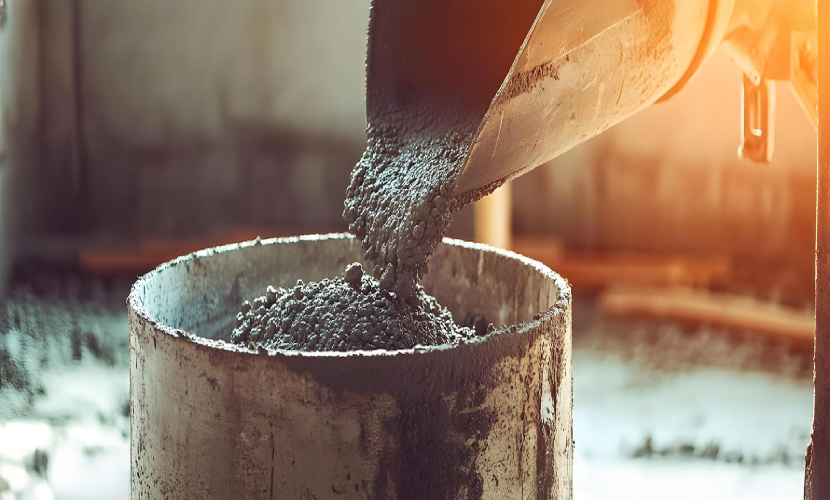
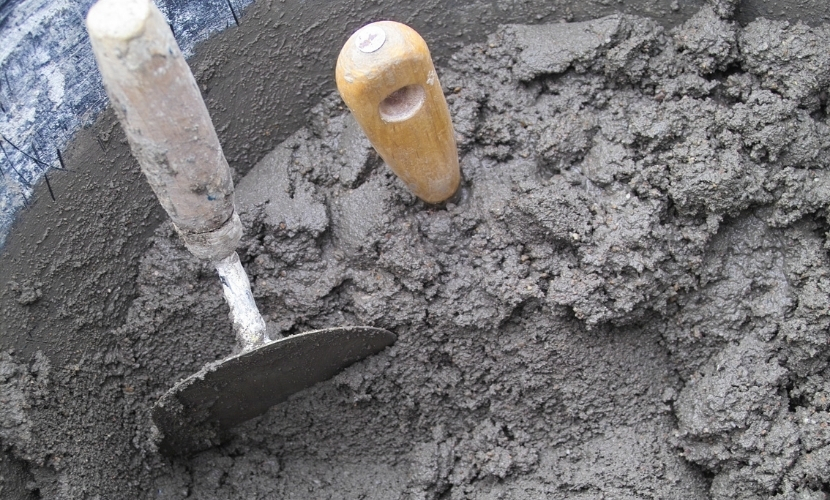
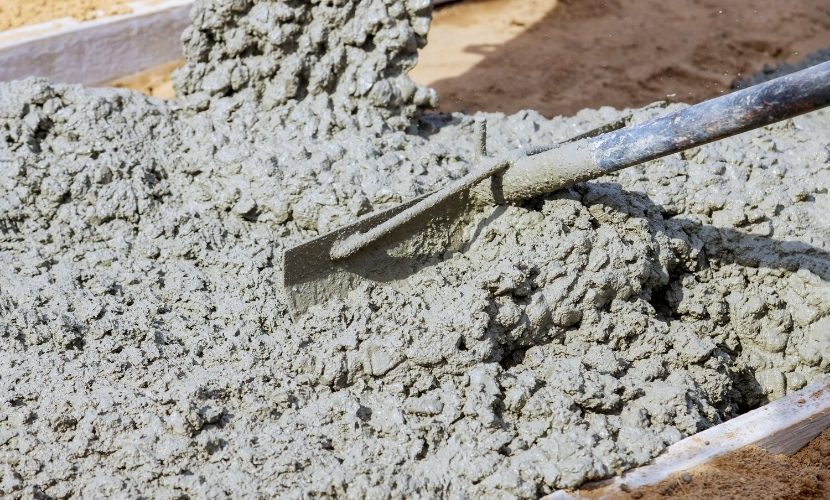
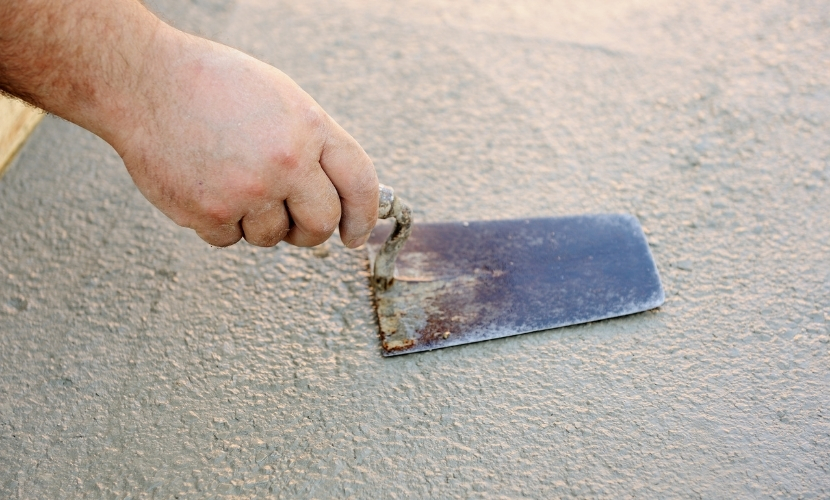
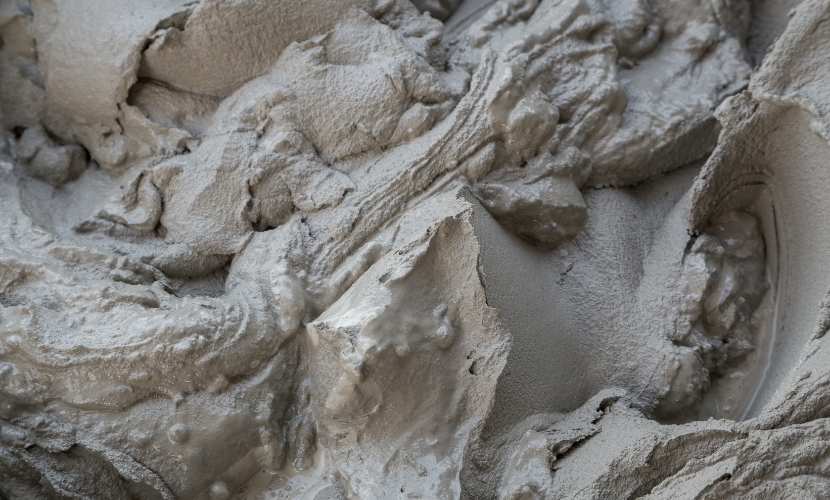
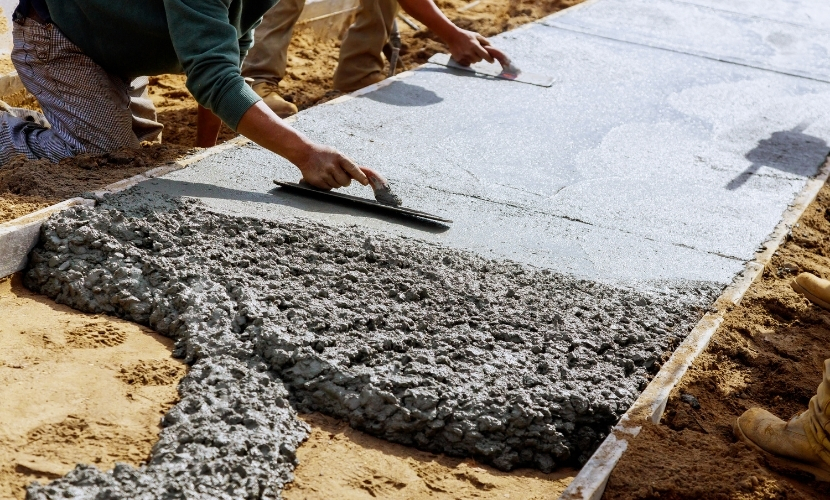
What is Segregation in Concrete?Segregation in concrete refers to the separation of its components – cement paste, aggregates, and water – during handling, transportation, or placement. This leads to an uneven distribution of materials, resulting in weaker sections and compromising the structural integrity of the concrete. Types of SegregationCoarse Aggregate Segregation: This occurs when heavier aggregates settle to the bottom, leaving cement paste and fine particles on the surface.Water Segregation: This happens when excess water in the mix rises to the surface, forming a weak layer known as bleeding. Causes of SegregationUnderstanding the causes of segregation can help prevent it effectively. Here are the most common reasons: Improper Mix Proportioning: Using poorly graded aggregates or an incorrect water-cement ratio can cause segregation.Excessive Water Content: Adding too much water makes the concrete mix overly fluid, increasing the risk of separation.Dropping Concrete from Heights: Allowing concrete to fall from significant heights during placement leads to the separation of coarse aggregates.Inadequate Mixing: Insufficient mixing fails to create a uniform blend, resulting in segregation.Over-Vibration: Prolonged or intense vibration during compaction can separate aggregates from the cement paste.Transport and Handling Issues: Improper transportation methods, such as using faulty equipment, can disturb the uniformity of the mix. Effects of Segregation on ConcreteSegregation can lead to several structural and aesthetic problems, including: Reduced Strength: Uneven distribution of aggregates weakens the overall strength of the concrete.Poor Durability: Segregated concrete is more susceptible to cracking and weathering.Honeycombing: Voids form in the structure, leading to a rough and porous surface.Bleeding: Excess water on the surface reduces bonding and finishing quality.Compromised Aesthetic Appeal: Segregation causes inconsistencies in the texture and appearance of concrete surfaces. How to Prevent Segregation in ConcreteFollow these best practices to minimize the risk of segregation: Proper Mix Design: Use well-graded aggregates and maintain the correct water-cement ratio.Use Admixtures: Incorporate plasticizers or superplasticizers to improve the workability of the mix without adding excess water.Controlled Placement: Avoid dropping concrete from heights and use chutes or pumps for smooth placement.Adequate Mixing Time: Ensure the concrete is mixed thoroughly in a mechanical mixer.Monitor Vibrations: Use vibrators judiciously to prevent over-compaction.Careful Transportation: Use appropriate methods to transport concrete and avoid unnecessary handling. ConclusionSegregation in concrete is a critical issue that can significantly affect the performance and longevity of a structure. By understanding its causes and effects, and by following preventive measures, you can achieve high-quality concrete work. At Amrit Cement, we prioritize quality and innovation to support flawless construction practices.Build Strong. Build Smart. Choose Amrit Cement.For more expert tips and premium construction materials, visit Amrit Cement or contact us today!
Read More (...)
Proper cement storage methods recommended by Amrit Cement

Important Tips for Storage of Cement

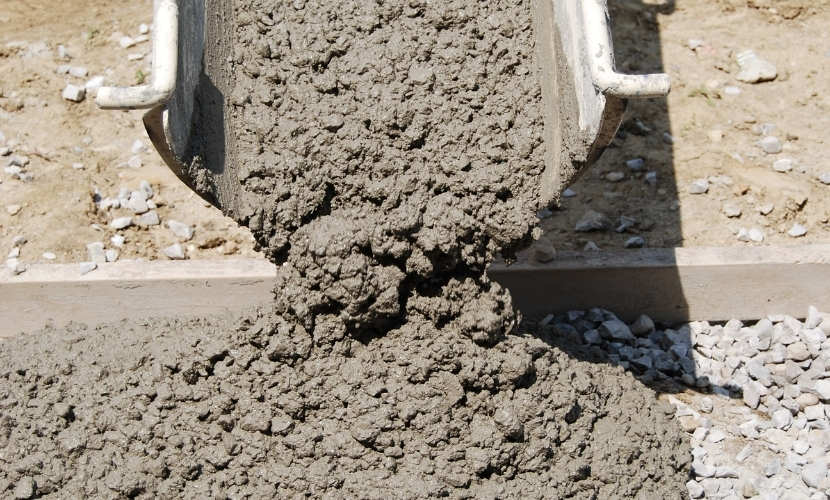
Storing cement properly is critical to ensuring the quality and strength of your construction projects. Whether you’re working with Portland cement, ready mix concrete bags, or other building materials like cement blocks, improper storage can lead to reduced performance and wasted resources. Here’s a comprehensive guide on how to effectively store cement at your construction site to maintain its quality and usability. Dry and Elevated Area: Store cement bags in a dry location to avoid contact with moisture. Use pallets or wooden planks to keep the cement bags off the ground, reducing the risk of moisture seepage. Ventilation Matters: Ensure good ventilation to prevent condensation, which can compromise the integrity of ready mix cement bags or white Portland cement. Limit Stack Height: Stack cement bags no more than 10 bags high to prevent the lower bags from getting damaged due to excess weight. Alternating Pattern: Arrange the bags in an alternating crisscross pattern for stability and ease of access. First-In, First-Out (FIFO): Use the cement bags that arrived first to ensure older materials are used before they degrade. Waterproof Coverings: Use tarpaulins, plastic sheets, or waterproof covers to shield the cement bags from rain and humidity. This is especially important for materials like white mortar mix and cement mix. Avoid Direct Sunlight: Prolonged exposure to sunlight can weaken the packaging of cement bags, increasing the risk of contamination. Temperature Control: Maintain an ambient temperature to prevent issues like premature hydration in materials such as high-strength concrete mix and cement mortar. Inspection and Testing: Regularly inspect the stored cement bags for signs of lumps or hardening. Perform cement quality tests to confirm usability. Separate Storage: Store different types of cement, such as bulk portland cement, ready made mortar, or plastic cement, in clearly labeled sections to avoid confusion. Dedicated Space for Additives: Keep additives and construction materials like aggregates and mortar mix in separate, well-organized areas. Cement Silos: For large-scale projects or bulk cement orders, silos are an ideal solution for long-term storage. They protect against moisture and contamination. Ready-Made Concrete Mix Bags: Opt for pre-packaged solutions like redi mix or ready to use concrete mix, which require less stringent storage conditions. Minimize Wastage: Avoid over-ordering cement products. Use a concrete bag calculator to estimate the right amount for your project. Eco-Friendly Options: Consider using green cement or sustainable concrete to reduce environmental impact. CONCLUSIONProper storage of cement at construction sites is essential for ensuring the longevity and success of your projects, whether you’re building with concrete slabs, cement blocks, or masonry walls. By following these best practices, you can maximize the performance of materials like ready mix mortar, aggregate concrete, and construction cement while minimizing waste and costs.For high-quality materials and expert guidance, connect with Amrit Cement, a trusted cement company offering superior building materials for all your construction needs. Need assistance or want to place an order? Contact us today to buy the best ready-mix concrete, cement bags, and more!

Read More (...)

Cement Dealership Opportunity: How to Start & Profit in 2025

In every town where walls rise and roads stretch ahead, cement is the silent force powering that progress. From bustling trade points to quiet hillside villages, every structure begins with a bag of cement in someone’s hands. As India builds faster and the Northeast sees unprecedented infrastructure growth, the opportunity to step into the cement business is no longer just a possibility — it’s a smart, future-ready move. For those looking to start strong in 2025, a cement dealership offers more than just sales. It offers stability, community connection, and long-term rewards. Cement Dealership: The Backbone of Local Growth Cement is not an optional purchase — it’s essential. Whether a family is laying their first slab or a contractor is finishing a government school, cement is part of every milestone. That makes a dealership more than just a shop. It becomes a hub of trust where people make real decisions about their dreams. Across growing towns and expanding rural belts, people search for cement dealers near them not just to find a seller, but also to find someone they can rely on. How to Start a Cement Dealership in 2025 Decide What Role You Want to Play Some dealerships carry stock, manage deliveries, and serve a wide radius. Others focus on connecting buyers to the brand, handling coordination and customer service. Both models work — choose what fits your location, network, and bandwidth. In smaller towns and edge markets of the Northeast, sub-dealerships or retail-focused models often see faster growth due to closer community ties and word-of-mouth momentum. Build the Basics You don’t need a massive warehouse to begin. A covered space, a reliable supply chain, and a simple, organized setup matter more than size. What your customers care about is simple: “Can I trust this cement, and will I get it when I need it?” You’re already ahead if your setup gives a “yes” to both. Choose a Brand That Understands the Region Customers don’t just ask what cement costs — they ask what cement delivers. The right brand will: In the Northeast, where terrain, transport, and climate all test material performance, choosing a cement company with regional insight makes every delivery smoother and every slab more reliable. What Makes a Cement Dealership Profitable Success in this business rarely comes from selling once — it comes from becoming a name people return to. And that happens when: The best dealerships don’t just move bags — they solve problems. They guide confused people. They explain why one cement works better for Dhalai. They help a first-time builder understand what makes a slab strong. That builds loyalty — and loyalty brings growth. As your reputation grows, so does your network. And when your network grows, so do your orders. What You Get as an AmritCem Dealer AmritCem doesn’t just onboard dealers — it partners with them. Here are the core benefits built into every dealership relationship: Dedicated Sales Support: You will have direct access to a real-time support system, helping you address challenges, respond to customers, and get updates with speed. Easy Inventory System: AmritCem’s process allows you to maintain ideal stock levels. No excessive warehousing. No understocking either. The result is efficient capital use and better service to your customers. Local Market Alignment: Promotions, pricing strategies, and product positioning are not copy-paste tactics. AmritCem tailors these elements for your region, helping you stay relevant in your market and ahead of the curve. Cement That Builds Confidence When people buy cement, they are investing in something permanent. AmritCem’s Portland Pozzolana Cement (PPC) is engineered for long-term strength and ease of use, especially in Northeast India’s unique terrain and weather conditions. Here’s what makes AmritCem PPC a reliable choice: Superior Durability: The cement is formulated to withstand diverse structural demands over time, reducing the risk of cracks and moisture damage. Eco-Friendly Composition: Its production process is cleaner and more sustainable, making it ideal for builders seeking long-term environmental value. Better Workability: PPC allows for smooth application, which is a critical factor for masons during Dhalai and plastering. Cost-Effective Strength: Builders and contractors don’t just get performance — they get value. This positions your dealership to win repeat customers based on quality and cost-efficiency. Serving Real People in Real Places When people search for cement dealers near me, they often do so with urgency. Their team is waiting, their site is ready, and they can’t afford delay or second-guessing. If your dealership is known for giving clear advice, fast responses, and reliable availability, you become the answer to their search. That’s when a business moves from occasional to everyday. The Northeast offers a special context here. People value relationships over negotiation. They trust what they see, what they hear from neighbors, and what they experience themselves. Dealers who build slowly but surely — with consistency and care — often become the go-to name in their town. Final Thoughts A cement dealership is more than a business. It’s a role of responsibility in a growing region. It allows you to build not just income — but influence, impact, and identity. If you’re considering starting this journey in 2025, now is the right time. The demand is growing, the network is expanding, and there is space for those who want to do it right. Be visible. Be reliable. Be the name they think of when someone says — “Where should I get my cement from?”

Read More (...)
Concrete mixing process using Amrit Cement

Best Cement for Concrete Work: OPC vs PPC Comparison

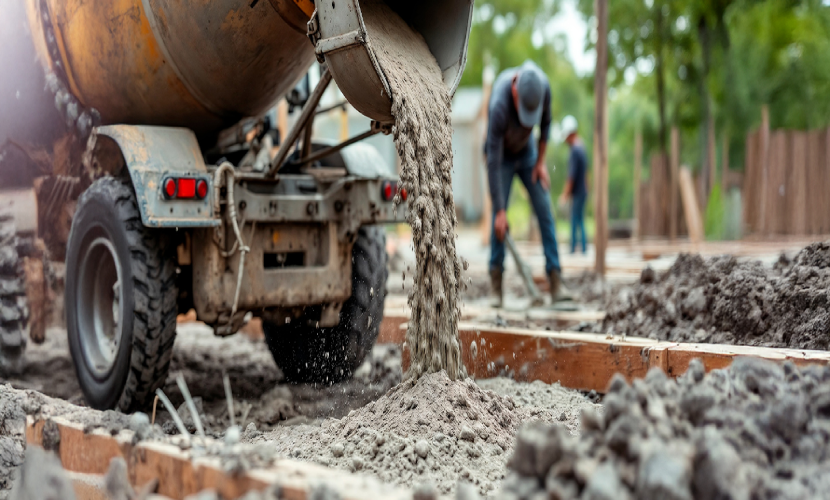
The structure of any long-lasting construction depends on a reliable mix of cement, sand, gravel, and concrete. From a cozy home in the hills of Mizoram to a commercial project in the heart of Guwahati, choosing the right cement is one of the most important decisions any builder, engineer, or homeowner can make. And when it comes to types of cement, one common question always arises: Which is better — OPC or PPC? This blog offers a practical and realistic comparison, especially for those building in the unique terrain and weather conditions of Northeast India. Know the Basics: OPC vs PPC Cement Before deciding which cement to use for your concrete work, it’s essential to understand the difference between OPC (Ordinary Portland Cement) and PPC (Portland Pozzolana Cement). OPC is the most widely used cement in India. It’s produced by grinding clinker and gypsum, and is available in various grades — most commonly 43 and 53. These numbers refer to the compressive strength of the cement (in MPa) after 28 days. PPC, on the other hand, is a blended cement. It mixes clinker with pozzolanic materials such as fly ash or calcined clay. Although it sets more slowly, PPC is known for its durability, smoother finish, and resistance to moisture and chemical attack. Cement for Concrete Work: What Really Matters? When selecting cement for concrete, compressive strength is just one part of the picture. The actual site conditions — weather, curing time, type of project, and even the skill of the workforce — all influence which cement will perform best. So, how do OPC and PPC compare in practical use? 1. Strength and Setting Time If early strength is critical — for example, in beams, columns, or other load-bearing RCC structures — OPC 53 grade is typically preferred. It sets faster and helps accelerate the construction timeline. For larger pours or complex slab works, such as Dhalai, PPC shines. It allows for more even setting, reduces the risk of cracks and surface bleeding, and offers a better finish overall. 2. Lifespan and Long-Term Properties When it comes to long-term durability — resistance to moisture, sulfate attacks, and chemical exposure — PPC outperforms OPC. Its slow hydration process helps reduce cracks and seepage, which is particularly beneficial in the Northeast, where rainfall and humidity are high. That makes PPC an ideal choice for residential slabs, basements, and foundations — structures designed to last for generations with minimal repair. 3. Workability and Mixing PPC is commonly used by contractors and masons across Assam and Tripura due to its ease of mixing with water and aggregates. It requires no additional chemical aids and results in a smoother, less gritty finish — especially useful when formwork or intricate detailing is involved. OPC, by contrast, demands more precision during mixing and curing — particularly in hot weather. Its higher heat of hydration can lead to cracks if not managed carefully. 4. Environmental Impact For builders conscious of sustainability, PPC is the eco-friendlier choice. Since it’s made using industrial by-products like fly ash, its carbon footprint is lower. It also uses less clinker, conserving natural limestone reserves. PPC is often recommended for green buildings and government-funded rural infrastructure projects. Which Cement Should You Use? If you’re building a bridge, highway, or multi-storey commercial project, OPC 53 delivers the quick strength and structural performance needed. For homes, schools, community buildings, and slabs in humid regions, PPC is more durable, user-friendly, and moisture-resistant. Both types have their merits — your decision should depend on what you’re building and where. Construct with Confidence — Not Just Cement Concrete doesn’t just hold weight — it holds your memories, investments, and dreams. Whether you choose OPC for its early strength or PPC for its long-term consistency, make your decision wisely. Don’t just follow the crowd — build with confidence.At AmritCem, we understand how important this decision is. That’s why we produce high-quality OPC and PPC cement tailored to the terrain, climate, and construction needs of the Northeast. Whether you’re building a high-rise in Shillong or a family home in Barpeta, we’re here to help you build strong, and build right.

Read More (...)
Guide to choosing the right cement by Amrit Cement

How to Choose the Right Type of Cement for Your Project

How to Choose the Right Type of Cement for Your Project Selecting the right type of cement for your construction project is crucial for ensuring durability, safety, and efficiency. Cement is not a one-size-fits-all material; different types are formulated for specific applications and conditions. In this guide, we’ll walk you through the key considerations to help you make the best choice for your needs. Factors to Consider When Choosing Cement 1. Type of Construction Residential Construction: For homes and small-scale projects, Ordinary Portland Cement (OPC) is widely used. Its versatility and strength make it a go-to choice for walls, roofs, and flooring. Commercial or Industrial Projects: Blended cements like Portland Pozzolana Cement (PPC) or Portland Slag Cement (PSC) are preferred due to their higher durability and resistance to aggressive environments. 2. Environmental Conditions Coastal Areas: Use PSC or sulfate-resistant cement to counteract chloride and sulfate attacks from seawater. Hot and Dry Climates: PPC is ideal as it provides better workability and reduces cracking due to its slow hydration process. 3. Load-Bearing Requirements For heavy structures like bridges, dams, and high-rise buildings, high-strength OPC (53 Grade) is recommended due to its superior load-bearing capacity. 4. Specialized Applications Plastering and Finishing: Low-heat cement or white cement offers smoother finishes and is less prone to shrinkage. Waterproofing: Use hydrophobic cement or specially formulated waterproof cement. Common Types of Cement and Their Uses Type of Cement Best For Ordinary Portland Cement (OPC) General construction, masonry, concrete work Portland Pozzolana Cement (PPC) Marine structures, dams, long-term durability Portland Slag Cement (PSC) Coastal areas, industrial floors, aggressive environments White Cement Decorative finishes, tiles, and artistic applications Sulfate-Resistant Cement Sewage systems, marine foundations Tips for Quality Assurance Why Choose Amrit Cement for Your Construction Needs? Amrit Cement is a trusted name in the industry, offering high-quality cement tailored to diverse construction needs. Whether you’re building a home, a commercial space, or an infrastructure project, Amrit Cement provides:

Read More (...)
Best dhalai cement in Assam by Amrit Cement

Best Dhalai Cement In Assam

Why Amrit Cement Stands Out When it comes to construction, especially in regions like Assam where the climate and geological conditions present unique challenges, choosing the right building materials is crucial for long-lasting and sturdy structures. Among the various materials used, cement plays an integral role, and in Assam, Amrit Cement has earned a reputation for its exceptional quality and reliability. In this blog, we explore why Amrit Cement is regarded as one of the best dhalai cements in Assam. What is Dhalai Cement? In Assam and many other parts of India, the term dhalai cement refers to the type of cement used in flooring and plastering works. The term “dhalai” literally means “smoothing or leveling,” making this cement ideal for applications where the finish needs to be smooth, uniform, and durable. Dhalai cement is often chosen for use in construction projects such as flooring, walls, and other areas that require a solid, smooth finish. Why Amrit Cement is the Best Choice for Dhalai Amrit Cement is manufactured by a renowned brand in the building materials industry, and it has quickly become one of the most trusted names in Assam. Here are a few reasons why Amrit Cement stands out as the best dhalai cement choice in the region: 1. High-Quality Raw Materials Amrit Cement is produced using superior raw materials that meet international standards. The brand places a strong emphasis on sourcing the best limestone, clay, and other necessary materials, ensuring that their cement is of the highest quality. This makes Amrit Cement especially reliable for the harsh climatic conditions in Assam, where humidity and frequent rainfall can affect the performance of inferior cement brands. 2. Strong Durability and Strength One of the primary factors that make Amrit Cement ideal for dhalai and other construction purposes is its exceptional durability and strength. It offers superior bonding capabilities, which means that floors, walls, and other surfaces created with Amrit Cement remain solid and long-lasting, even under pressure or in areas exposed to extreme weather. 3. Smooth Finish For dhalai works, a smooth, even finish is a critical requirement, especially for flooring in homes, commercial buildings, and public infrastructure. Amrit Cement is designed to provide a smooth, fine finish without the need for excessive mixing or handling. This helps ensure that your project looks polished and professional, reducing the amount of rework and labor time involved. 4. Cost-Effectiveness Affordability is a key concern for many builders and homeowners, and Amrit Cement provides excellent value for money. Despite its superior premium quality, it remains competitively priced in the market, making it a popular choice for both large-scale construction projects and smaller, residential works. When you choose Amrit Cement, you’re not only ensuring the longevity of your project but also optimizing your budget. 5. Environmentally Friendly Production Amrit Cement is manufactured with a commitment to sustainability. The brand follows eco-friendly production practices and ensures that its manufacturing process produces fewer carbon emissions. In a region like Assam, where the environment is lush and rich in natural resources, choosing an environmentally conscious product like Amrit Cement is a responsible choice. 6. Wide Availability Across Assam Amrit Cement is widely available across Assam, whether you’re in Guwahati, Dibrugarh, Silchar, or smaller towns. The brand’s distribution network ensures that builders and contractors can easily find the cement they need, when they need it, without delays. This accessibility makes it the go-to choice for construction in both urban and rural areas of Assam. 7. Trusted by Builders and Contractors Amrit Cement has built a loyal customer base among builders, contractors, and home builders in Assam. Its consistent performance and dependable quality have made it a trusted name in the industry. Many successful projects in Assam, ranging from residential homes to large-scale infrastructure, have relied on Amrit Cement for the best results.   The Benefits of Using Amrit Cement for Dhalai in Assam Conclusion Regarding dhalai cement in Assam, Amrit Cement stands out for its outstanding quality, durability, and smooth finish. Whether you’re working on a small home renovation project or a large commercial construction, Amrit Cement guarantees exceptional results that last for years. Its wide availability, cost-effectiveness, and environmental responsibility make it the preferred choice for builders and homeowners across the region.

Read More (...)
Healthy and quality cement check by Amrit Cement

What is Healthy Cement?

Cement is a finely ground organic hydraulic binder… Cement is a finely ground organic hydraulic binder which when mixed with water forms a paste that sets and hardens through a hydraulic reaction. Better the quality of cement, stronger the setting and ultimately a more durable structure. Thus, quality of cement is of supreme importance in any kind construction. Good quality cement has some unique properties that make the construction not only simpler but far more durable and high strength. The quality of concrete which is made by mixing cement, sand, water and other aggregates in the right proportions depends on the quality of cement being mixed in it. It is this good quality concrete made of fine cement that ensures a good quality structure. Today, there are a number of top cement companies in the north east and other parts of India offering best quality PPC and OPC cement. In order to choose the best quality cement, one must do some research on the brands available in the market and understand what the merits of a good cement are. Once you know what to watch out for while procuring cement for your construction needs, you will always buy the best quality cement. Check the following to buy the right cement for strong, durable and weather-proof structures Strong Bonding Good quality cement exudes strong bonding properties. It holds the concrete mixture of cement, sand, water and other aggregates at the optimum level to build a strong and healthy structure. Proper Setting The characteristic of a good quality cement should be such that it should quickly transform from fluid state to solid state – that is set firmly. Good concrete made with fine cement is dense and homogenous ensuring proper setting while constructing a healthy structure. Maximum Strength Good quality cement is strong and has a very high compressive strength and low tensile strength. This ensures perfect BPS (Bonding & Proper Setting) that leads to a high-strength, durable construction. Smooth Finishing The structure and fineness of a good quality cement gives smooth finishing, allows faster strength gaining and ensures long lasting durability. Ultra-fine cement is also more suitable for concrete mixing. Moisture-proof Packaging PPC Cement comes with moisture-proof bags. This kind of high quality packaged product may cost 2% to 3% more, but it offers as much as 25% to 35% greater strength and durability. Moisture-proof packaging improves the shelf life of the cement, keeps it fresh, free from moisture and humidity. It is always advisable to use fresh cement and check the date of manufacturing on the cement bag as the cement loses its strength with time. The fresher the cement, the stronger it will be. Tamper-resistant, Zero Leakage Packaging The bag containing the cement should be properly laminated and packaged in a way that the product cannot be tampered. There should be no stitching on the bags or any kind of tampering on the bag. Avoid buying hook use bags as these often have leakages resulting in loss of cement quantity and also compromised quality as moisture enters from the leakages. ISI Marked, Branded Cement For guaranteed quality, one should always procure cement of a reputed brand from authorised sources only. There are numerous brands available in the market today with some of the top cement companies in India and the north east offering best PPC, OPC and other grades of cement. Remember to always check the ISI mark on the cement bag for assurance of quality. MRP, Net Weight and IS code printed on the bag should also be checked.

Read More (...)
Tips to identify quality cement from Amrit Cement

Tips to Identify Healthy Cement

Planning to build your dream home? Want to be a 100% sure about the strength and durability of the construction? Always keep in mind that if you want a strong and durable home that will stand tall for years, make sure you opt for the best quality building materials with special focus on the quality and grade of the cement being used. If the cement is superior quality healthy cement and of the right grade such as OPC 43 grade cement, OPC 53 grade cement or PPC Cement suitable for the particular construction, the structure will be robust, long-lasting and even earth-quake resistant for those building homes in earthquake prone areas such as North East India. Remember, healthy cement means healthy home. Making Healthy Concrete using Heathy Cement To ensure the concrete being used in the construction project is healthy, it is important to monitor each step of concrete making right from selection of cement and ingredients, mixing, placing, compaction and curing. There are certain crucial things that one needs to check before buying cement for construction. Check the Manufacturing Date Always check the date of manufacturing before buying a cement bag because the strength of cement decreases with time. Ideally, cement should be used within 90 days from the date of manufacturing. Check the Trademark, ISI Mark and Brand For assured quality, remember to check the cement bag for Registered Trademark and ISI Mark. Always remember to buy best quality cement from a reputed brand. There are many good cement dealers in the North East and other parts of India – purchase your cement from a trusted cement dealer for a healthy structure. Check the Net Weight and MRP Check the cement bag for proper quantity as printed. To avoid loss of quantity, do not buy hook use bags. Also, check the MRP before buying a cement bag to ensure you are not being overcharged. Check the Cement Grade Different types of constructions require different grades of cement. Check the grade of the cement –whether it is OPC 43 grade cement, OPC 53 grade cement or best PPC Cement – use the one that is appropriate for your construction need.IS code printed on the bag should also be checked to compare to grades of cement for Healthier Concrete. Check the Colour of the Cement A good quality, healthy cement should be grey in colour with a light greenish shade. It should be homogenous in consistency. Check the Cement for Lumps Fresh cement is always moisture-free and without any lumps. It should feel smooth when rubbed in between fingers. Check the cement thoroughly for any lumps and do not buy it if is lumpy as this may affect construction strength. Check if the Cement Floats Good quality cement floats in water for some time before sinking. To ensure strong and durable construction, cement should be checked for quality by throwing a small quantity into a bucket of water before mixing it to make concrete. If the OPC 43 grade cement, OPC 53 grade cement or PPC Cement that you plan to use floats in water for a while before sinking, you can be sure about its quality. Check for Setting Take a small quality of cement, mix water to make a thick paste and spread it on a glass plate. Keep this plate under water for 24 hours. When you take it out, if the cement is of good quality, the concrete will be perfectly set without any cracks. Temperature Check Thrust your hand into the cement bag and you should feel a certain amount of coolness. If the cement feels cool, the quality may be considered satisfactory. Poor quality cement feels warm in your hand.

Read More (...)