
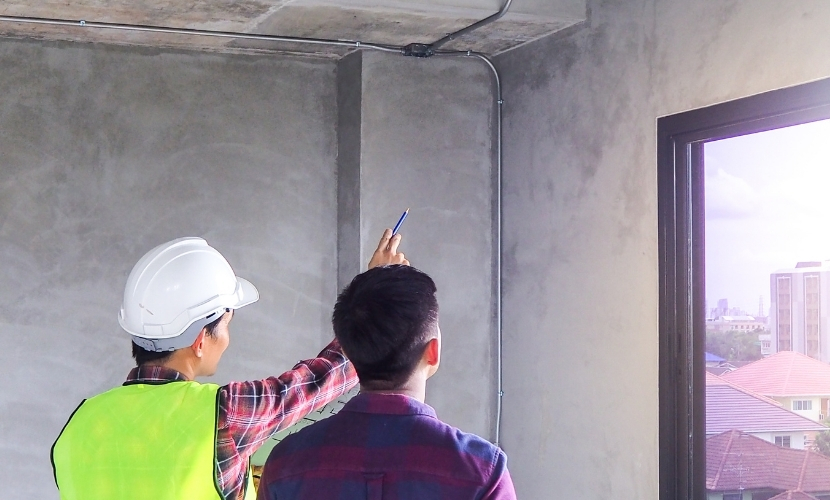
How Can an Experienced Contractor Facilitate High-Quality Construction?

Experienced contractor using Amrit Cement

How Can an Experienced Contractor Facilitate High-Quality Construction?

IntroductionIn the fast-paced world of real estate and infrastructure, ensuring high-quality construction is non-negotiable. One of the most significant contributors to a successful build is an experienced contractor. From project planning to execution, a skilled contractor can make the difference between a durable, top-tier structure and a costly misadventure. But how exactly do they achieve this? Let’s explore the key ways an experienced contractor facilitates high-quality construction. 1. Thorough Project Planning and ManagementExperienced contractors start with meticulous planning. They develop detailed project timelines, assign clear responsibilities, and allocate resources efficiently. This organized approach reduces delays and cost overruns while ensuring the project stays on track from start to finish. Key Elements: 2. Skilled Workforce and Reliable SubcontractorsContractors with years of experience build a trusted network of skilled laborers and subcontractors. Their established relationships with these professionals ensure that work is done right the first time, using the highest quality materials and craftsmanship. Benefits: 3. Knowledge of Building Codes and RegulationsAn experienced contractor is well-versed in local building codes, safety standards, and permit requirements. This knowledge helps prevent legal issues and ensures that every phase of the construction meets mandatory compliance checks. This includes: 4. Use of Modern Tools and TechnologyToday’s top contractors leverage technology such as project management software, drones, and Building Information Modeling (BIM) to enhance accuracy and transparency. These tools help monitor progress, avoid errors, and keep all stakeholders informed in real-time. Examples: 5. Effective Communication and TransparencyA seasoned contractor keeps the communication lines open. They conduct regular site meetings, send updates, and are always available for client queries. This transparency fosters trust and ensures everyone is aligned throughout the construction lifecycle. Communication Strategies: 6. Emphasis on Safety and Quality AssuranceExperienced contractors enforce strict safety protocols and conduct regular inspections. Their focus on quality assurance at every stage guarantees that the final structure is safe, sound, and built to last. Quality Practices Include: ConclusionHigh-quality construction doesn’t happen by accident. It’s the result of expertise, planning, and a commitment to excellence. An experienced contractor is the cornerstone of this process, ensuring every brick laid contributes to a durable and dependable structure. Whether you’re building a home, office, or commercial property, choosing the right contractor is the first step toward a successful construction journey.Need help finding an experienced contractor for your next project? Contact us today for a consultation! For more expert tips and premium construction materials, visit Amrit Cement or contact us today!


Read More (...)
Best time to start house construction with Amrit Cement

Best Time to Start Construction in Northeast India: A Seasonal Guide for Builders

Planning a construction project in Northeast India requires careful consideration of the region’s unique climate and geographical conditions. The timing of your construction can significantly impact costs, efficiency, and overall project success. Here’s a guide to the best time to start construction in this region. Ideal Season for Construction in Northeast India 1. Post-Monsoon Season (October to March) – The Best TimeThe most favorable time for construction in Northeast India is between October and March. The weather is relatively dry, ensuring better working conditions and reducing delays due to heavy rainfall. Some key benefits of starting construction during this period include: 2. Winter Season (December to February) – Caution RequiredWhile winter months are generally favorable for construction, extreme cold in some hilly areas may affect certain materials like cement and concrete. To counter this, using high-quality cement like Amrit Cement, which is designed for all-weather conditions, can ensure better construction quality even in cooler temperatures. 3. Pre-Monsoon and Monsoon Season (April to September) – Avoid If PossibleThe period from April to September sees heavy rainfall in Northeast India, making it the least favorable time for construction. Challenges include: Key Factors to Consider Before Starting Construction ConclusionFor smooth and cost-effective construction, the post-monsoon season (October to March) is the best time to start your project in Northeast India. Proper planning and the use of high-quality materials like Amrit Cement can further enhance efficiency and durability. By choosing the right time and materials, you can ensure a successful and long-lasting construction project.For more expert tips and premium construction materials, visit Amrit Cement or contact us today!

Read More (...)
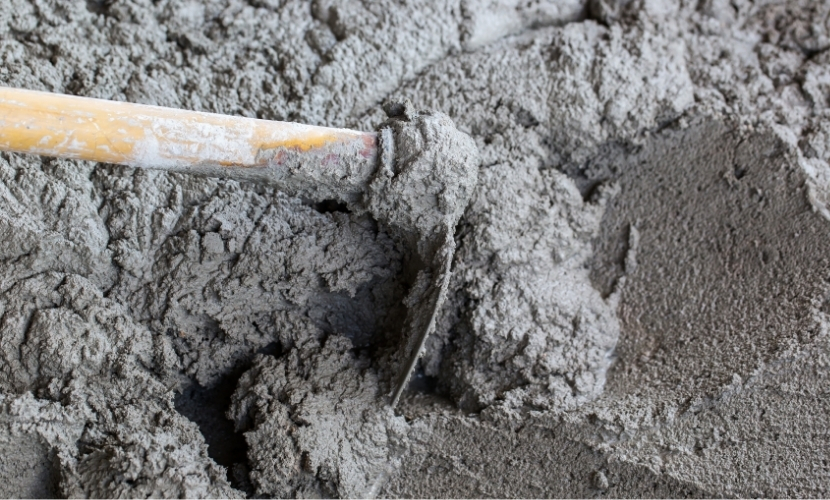
Modern cement design ideas powered by Amrit Cement

Innovative Cement Designs for Modern Living

Modern architecture and design can be very versatile, and creativity can go all the way; however, material choice will define whether the house will be functional, durable, or aesthetic. For those in the Northeast region of India, high humidity and heavy rainfall, and all that goes with that, would demand a company as AmritCem to provide for.Cement houses are not only cost-effective and maintenance-free but also possess a strength that is unmatchable against extreme weather conditions. You can create house designs that seamlessly merge durability with modernity with the high-quality OPC and PPC cement of AmritCem. Let’s discover some creative and practical cement house designs for modern living: 1. Minimalism is ModernMinimalist cement house designs prioritize simplicity, clean lines, and uncluttered spaces. They embody the “less is more” philosophy, creating homes that are both functional and aesthetically pleasing. AmritCem’s superior finish enhances these designs, making them timeless and elegant.Key Features: 2. Artful Facades with Block HomesConcrete blocks provide endless opportunities for experimentation. Textured or patterned cement blocks can create striking facades, combining strength with visual appeal. AmritCem’s OPC and PPC grades offer the perfect balance of durability and aesthetic versatility for such designs.Key Features: 3. Blending Concrete with BambooDesign so eco-friendly and aesthetically pleasing is achieved by combining bamboo with cement. Bamboo’s abundant availability in Northeast India, and similarly, high-quality cement foster an ecosystem of AmritCem. This way, the strength comes without trading off on sustainability.Key Features: 4. Rustic RootingRustic cement house designs blend the raw strength of cement with warm, earthy elements. These designs are perfect for the cooler, high-altitude regions of Northeast India, providing a cozy and welcoming feel.Key Features: 5. Urban Industrial DesignUrban industrial designs focus on utility while exuding modern charm. AmritCem’s CSH gel technology ensures that these homes not only look sleek but also offer exceptional strength and durability.Key Features: 6. Art Deco for a Bold StatementIt draws inspiration from the 1920s-30s and mixes cement strength with bold geometric patterns and luxurious details. This would be ideal for individuals who want a home that shouts at the very same time elegance and durability merge.Key Features: Why Choose AmritCem?AmritCem isn’t just about cement; it’s about building a legacy of strength, durability, and beauty. Whether you’re opting for minimalism, experimenting with bamboo, or creating an artful facade, AmritCem provides: Final ThoughtsCement house designs in modern design offer endless versatility, practicality, and aesthetic appeal. AmritCem isn’t merely building for you; it is creating a home that is tough, beautiful, and sustainable over time.Choose AmritCem for your next project and experience the difference of superior quality and innovative design. For more expert tips and premium construction materials, visit Amrit Cement or contact us today!
Read More (...)
OPC 53 cement ideal for roof and column by Amrit Cement

Why AmritCem OPC 53 is the Best Cement for Roof, Column & Foundation

High-quality cement will lay a successful base in your construction site. Cement quality gives any strong, robust building, minimizing cracks and crumbling and providing uneven surfaces, as high-quality cement does. Its assurance gives the construction durability with fewer repairs over the years and protects structural integrity for a long time.Among the premium cement options, AmritCem OPC 53 is the ultimate choice for roofs, columns, and foundations. It has high compressive strength, rapid setting, and durability, making it an ideal fit for projects that demand superior performance and resilience.Let’s dive into why AmritCem OPC 53 should be your go-to choice for modern construction needs: 1. Unmatched Compressive StrengthAmritCem OPC 53 contains 53 MPa of compressive strength, ideal for projects where durability and high load-bearing capacity are needed. The strength in its composition will guarantee stability even under the most extreme conditions, such as heavy vertical loads in columns to the concreteness of foundations. 2. High Load-Bearing CapacityWhether it’s the roof, column, or foundation, AmritCem OPC 53 ensures your structure can withstand heavy environmental loads and equipment weight. Columns: Designed to endure vertical loads and bending stresses, essential for high-rise structures.Foundations: Distributes lateral and vertical loads effectively, preventing deformation and ensuring long-term stability. 3. Faster Strength DevelopmentAmritCem OPC 53 is engineered for quick strength development, reaching high strength within 7 days. This allows you to remove formwork faster, accelerating project timelines and ensuring steady progress. 4. Reduced Construction TimeWith quick-setting properties, AmritCem OPC 53 minimizes curing time and optimizes labor and resources. Projects are completed faster without compromising structural quality, making it an ideal choice for modern, fast-paced construction. 5. Lower Project CostsBy reducing curing time and minimizing material requirements due to its high strength, AmritCem OPC 53 helps drive down total project costs. Its durability reduces maintenance expenses, ensuring long-term savings. 6. Low Risk of FracturesRoof, columns, and foundations must remain crack-free to ensure safety. AmritCem OPC 53’s superior compressive strength and durability minimize the risk of fractures caused by environmental stresses, temperature fluctuations, and moisture. 7. Smooth Surface FinishingAchieve a clean, uniform surface with AmritCem OPC 53. Its dense and solid finish enhances the visual appeal of exposed surfaces like columns and roofs while ensuring strong adhesion for paints and coatings, providing a polished and long-lasting look. Why AmritCem OPC 53?AmritCem OPC 53 isn’t just cement—it’s your partner in creating structures that are: Stronger: High compressive strength for unmatched durability.Faster: Quick setting for rapid project completion.Cost-Effective: Reduces material, labour, and maintenance costs.Reliable: Durable against environmental stresses and cracks. Build Brilliance with AmritCem OPC 53AmritCem OPC 53 is a perfect blend of strength, speed, and sustainability. Whether it’s for a sturdy foundation, resilient columns, or a durable roof, AmritCem OPC 53 ensures your construction project is a success from start to finish. For more expert tips and premium construction materials, visit Amrit Cement or contact us today!

Read More (...)
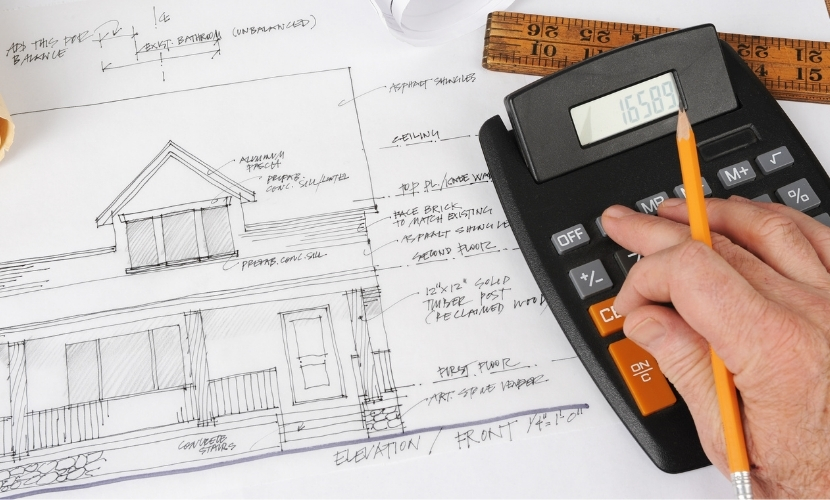
Cement strength testing process by Amrit Cement

10 Types of Tests on Cement to Check Quality

Cement is one of the most crucial components in construction, and its quality directly affects the strength and durability of structures. To ensure that cement meets the required standards, various tests are conducted. In this blog, we will discuss 10 essential tests on cement that help determine its quality and performance. 1. Fineness TestThe fineness of cement affects its hydration rate and strength. This test determines the particle size distribution in cement, usually conducted using a sieve analysis or Blaine’s air permeability method. Finer cement particles lead to better bonding and strength development. 2. Consistency TestThis test determines the amount of water required to achieve a standard consistency of cement paste. The Vicat Apparatus is used to measure the penetration of a plunger into the cement paste to find the optimum water content for normal consistency. 3. Setting Time TestCement should neither set too quickly nor too slowly. The setting time test includes: The Vicat Apparatus is used to determine these times, ensuring proper workability. 4. Soundness TestThis test checks the volumetric stability of cement after hardening. Unsound cement can lead to cracks and structural failure. The Le Chatelier method is commonly used to detect excessive expansion in cement due to unhydrated lime or magnesia. 5. Compressive Strength TestThis test evaluates the cement’s ability to withstand compressive loads. Cement mortar cubes are prepared and tested under a compression testing machine to ensure the cement provides adequate strength as per industry standards. 6. Heat of Hydration TestHydration of cement releases heat, and excessive heat can lead to thermal cracking in structures. This test measures the heat emitted during the hydration process to ensure minimal thermal effects, which is especially important for mass concrete structures. 7. Specific Gravity TestThe specific gravity of cement indicates its density compared to water. A Le Chatelier flask or a pycnometer is used to measure the specific gravity, which typically ranges between 3.1 to 3.16. Deviations may indicate adulteration or impurities in the cement. 8. Loss on Ignition (LOI) TestThis test determines the weight loss of cement when heated to around 1000°C. High LOI values suggest excess moisture or volatile compounds in the cement, which can impact performance. 9. Alkali Reactivity TestCement containing high alkali content can react with certain aggregates, causing expansion and cracking in concrete. This test helps in assessing the alkali content and preventing potential durability issues in structures. 10. Chemical Composition TestCement should contain the right proportions of chemical compounds such as silica, alumina, lime, and iron oxide. Laboratory tests analyze the chemical composition to ensure compliance with industry standards like IS 269:2015. Why Quality Testing of Cement is ImportantRegular testing of cement ensures: At Amrit Cement, we prioritize quality assurance by conducting rigorous tests on every batch, ensuring our cement meets the highest industry standards for reliability and durability. ConclusionTesting cement quality before use is essential for safe and durable construction. By following these 10 tests, builders and engineers can ensure the integrity of their projects. Choose Amrit Cement for superior quality and long-lasting strength in your construction needs.For more information, explore our product range or contact us today! For more expert tips and premium construction materials, visit Amrit Cement or contact us today!
Read More (...)
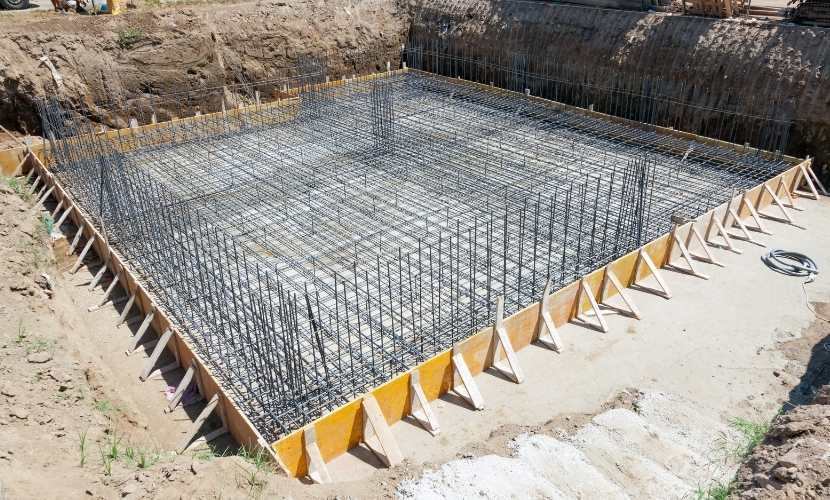
Managing construction cost with Amrit Cement

How to Reduce Construction Costs Without Compromising Quality

How to Reduce Construction Costs Without Compromising Quality Construction projects, whether residential or commercial, often come with significant financial challenges. Balancing cost efficiency and high quality is crucial to ensuring long-term durability and satisfaction. With the right strategies and materials, such as premium cement from trusted brands like Amrit Cement, you can achieve this balance effortlessly. In this blog, we share practical tips to reduce construction costs without compromising on quality. 1. Plan and Budget Effectively Proper planning is the foundation of cost-effective construction. Create a detailed budget that outlines all expenses, including materials, labor, permits, and unexpected costs. Engage with experts, like architects or contractors, who can identify cost-saving opportunities during the design phase without sacrificing quality.Pro Tip: Incorporate value engineering to optimize costs. This approach focuses on achieving the desired functionality at the lowest total cost. 2. Choose Quality Materials Wisely Opting for high-quality materials may seem more expensive initially, but it saves money in the long run. Poor-quality materials often lead to frequent repairs and replacements. Using durable materials like Amrit Cement ensures strength, longevity, and fewer maintenance needs.Why Amrit Cement: 3. Source Locally Transportation costs can add up significantly, especially when sourcing materials from distant locations. Opt for local suppliers for cement, sand, and other construction essentials to cut down on these expenses. Amrit Cement has a robust distribution network, ensuring timely delivery and reduced transportation costs for your project. 4. Optimize Design and Space A well-thought-out design can minimize waste and unnecessary expenditures. Collaborate with architects to create efficient layouts that reduce material usage without affecting functionality. For example: 5. Hire Skilled Labor Investing in skilled labor ensures that the work is done correctly the first time, reducing rework and material wastage. Trained professionals are adept at using materials efficiently, resulting in faster project completion and cost savings.Tip: Verify the credentials and experience of contractors to ensure quality workmanship. 6. Leverage Advanced Construction Techniques Modern construction techniques and tools can improve efficiency and reduce costs. Technologies such as: Using advanced methods in conjunction with quality cement like Amrit Cement can yield superior results without breaking the bank. 7. Reduce Material Wastage Material wastage is a common issue that inflates construction costs. Implement strategies to minimize waste, such as: 8. Regular Maintenance Post-Construction Reducing costs doesn’t end with construction. Proper maintenance extends the life of your structure and prevents expensive repairs. Using high-quality materials like Amrit Cement minimizes maintenance needs, ensuring long-term savings. Why Choose Amrit Cement for Your Construction Projects? Amrit Cement is a trusted name in the industry, offering: When you choose Amrit Cement, you invest in a product that ensures structural strength, reduces maintenance, and guarantees value for money. Conclusion Reducing construction costs without compromising quality is all about strategic planning, using premium materials, and adopting efficient techniques. With Amrit Cement as your partner, you can achieve durable and cost-effective construction effortlessly.For more tips and solutions, explore our range of products and services designed to make your construction journey seamless. Contact us today! Build Strong. Build Smart. Choose Amrit Cement.For more expert tips and premium construction materials, visit Amrit Cement or contact us today!
Read More (...)
Shallow vs deep foundation guide by Amrit Cement

Difference Between Shallow and Deep Foundations

Difference Between Shallow and Deep FoundationFoundations are the backbone of any structure, transferring its load to the ground and ensuring stability. Choosing the right type of foundation is essential for the durability and safety of a building. Two primary types of foundations used in construction are shallow foundations and deep foundations. This blog will explore the key differences between these two types and guide you in understanding their applications, advantages, and limitations. What is a Foundation?A foundation is the lowest part of a structure that transfers its load to the earth. It ensures the structure remains stable and upright, even under varying environmental conditions and loads. What is a Shallow Foundation?A shallow foundation transfers the building load to the soil near the surface. It is generally used for structures that are not heavily loaded or where the soil near the surface has sufficient bearing capacity. Types of Shallow Foundations: Advantages of Shallow Foundations: Disadvantages of Shallow Foundations: What is a Deep Foundation?A deep foundation transfers the load to deeper layers of soil or rock, bypassing weaker surface soils. It is used for heavy structures or in areas where shallow soil lacks sufficient strength. Types of Deep Foundations: Advantages of Deep Foundations: Disadvantages of Deep Foundations: Key Differences Between Shallow and Deep Foundations Aspect Shallow Foundation Deep Foundation Depth Transfers load at a shallow depth (up to 3m). Transfers load to deeper soil or rock layers. Cost More economical. Expensive due to equipment and labor needs. Construction Time Faster to construct. Takes longer to complete. Load-Bearing Capacity Suitable for light to moderate loads. Ideal for heavy and tall structures. Soil Conditions Requires good soil strength near the surface. Suitable for weak or waterlogged soil. Which Foundation Should You Choose?The choice between shallow and deep foundations depends on several factors: ConclusionUnderstanding the difference between shallow and deep foundations is crucial for ensuring the structural integrity of a building. While shallow foundations are economical and suitable for light structures, deep foundations are indispensable for projects requiring additional stability and support. Always consult with structural engineers to determine the most suitable foundation type for your construction project. By choosing the right foundation, you ensure the long-term durability, safety, and performance of your structure. For expert guidance and high-quality cement products, connect with us at Amrit Cement. Build Strong. Build Smart. Choose Amrit Cement.For more expert tips and premium construction materials, visit Amrit Cement or contact us today!

Read More (...)
Climate impact on cement performance explained by Amrit Cement

Climate Affects Cement Performance in Northeast India: Advantages, Disadvantages & Precautions

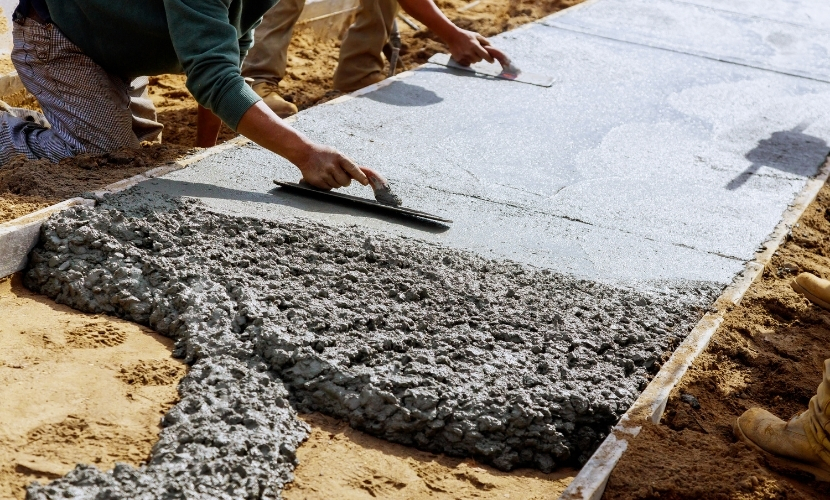
How Climate Affects Cement Performance in Northeast India: Advantages, Disadvantages & PrecautionsThe climate in Northeast India plays a significant role in the performance of cement in construction projects. Characterized by heavy rainfall, high humidity, and varying temperatures, this region’s weather conditions present unique challenges and opportunities for builders. Understanding these factors is crucial for ensuring the durability and longevity of structures. Impact of Climate on Cement Performance 1. High HumidityNortheast India experiences high levels of humidity due to its proximity to rivers and dense vegetation. Advantages: Disadvantages: 2. Heavy RainfallThe region receives one of the highest annual rainfall levels in the world, especially in states like Meghalaya. Advantages: Disadvantages: 3. Temperature VariationsNortheast India’s temperatures can range from cold winters to moderate summers. Advantages: Disadvantages: Precautions for Using Cement in Northeast India Proper Storage:Store cement in a dry, moisture-free environment to prevent clumping and loss of strength. Controlled Mixing:Use the right water-cement ratio to avoid weakening the mix due to excess water. Weather Monitoring:Schedule construction activities during favorable weather conditions to minimize the impact of rain. Use of Waterproofing Agents:Incorporate waterproofing compounds to prevent moisture penetration and protect against algae and fungi growth. Adequate Curing:Ensure proper curing practices to avoid rapid drying or over-saturation due to rainfall. Advantages of Cement Performance in Northeast India Disadvantages of Cement Performance in Northeast India ConclusionThe climate of Northeast India significantly influences cement performance. While the region’s weather conditions offer advantages like slower curing and abundant water, they also pose challenges such as moisture-related issues and logistical hurdles. By adopting proper storage, mixing, and curing practices, and using advanced materials like waterproofing agents, builders can overcome these challenges and ensure durable, long-lasting structures. With the right precautions, the Amrit Cement can thrive in Northeast India, contributing to the region’s sustainable development. If you’re planning a construction project in this unique climate, ensure to consult With Amrit Cement experts and follow best practices for optimal results. Build Strong. Build Smart. Choose Amrit Cement.For more expert tips and premium construction materials, visit Amrit Cement or contact us today!
Read More (...)
Segregation in concrete explained by Amrit Cement

Segregation in Concrete: Definition, Causes, and Effects

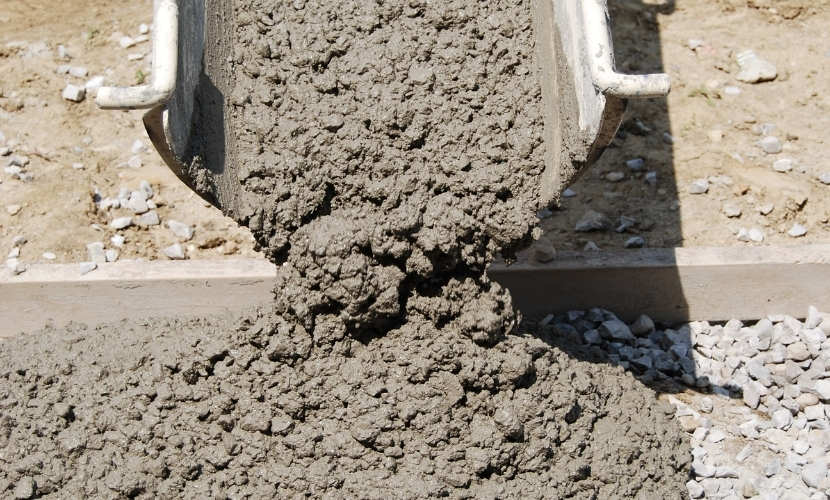
What is Segregation in Concrete?Segregation in concrete refers to the separation of its components – cement paste, aggregates, and water – during handling, transportation, or placement. This leads to an uneven distribution of materials, resulting in weaker sections and compromising the structural integrity of the concrete. Types of SegregationCoarse Aggregate Segregation: This occurs when heavier aggregates settle to the bottom, leaving cement paste and fine particles on the surface.Water Segregation: This happens when excess water in the mix rises to the surface, forming a weak layer known as bleeding. Causes of SegregationUnderstanding the causes of segregation can help prevent it effectively. Here are the most common reasons: Improper Mix Proportioning: Using poorly graded aggregates or an incorrect water-cement ratio can cause segregation.Excessive Water Content: Adding too much water makes the concrete mix overly fluid, increasing the risk of separation.Dropping Concrete from Heights: Allowing concrete to fall from significant heights during placement leads to the separation of coarse aggregates.Inadequate Mixing: Insufficient mixing fails to create a uniform blend, resulting in segregation.Over-Vibration: Prolonged or intense vibration during compaction can separate aggregates from the cement paste.Transport and Handling Issues: Improper transportation methods, such as using faulty equipment, can disturb the uniformity of the mix. Effects of Segregation on ConcreteSegregation can lead to several structural and aesthetic problems, including: Reduced Strength: Uneven distribution of aggregates weakens the overall strength of the concrete.Poor Durability: Segregated concrete is more susceptible to cracking and weathering.Honeycombing: Voids form in the structure, leading to a rough and porous surface.Bleeding: Excess water on the surface reduces bonding and finishing quality.Compromised Aesthetic Appeal: Segregation causes inconsistencies in the texture and appearance of concrete surfaces. How to Prevent Segregation in ConcreteFollow these best practices to minimize the risk of segregation: Proper Mix Design: Use well-graded aggregates and maintain the correct water-cement ratio.Use Admixtures: Incorporate plasticizers or superplasticizers to improve the workability of the mix without adding excess water.Controlled Placement: Avoid dropping concrete from heights and use chutes or pumps for smooth placement.Adequate Mixing Time: Ensure the concrete is mixed thoroughly in a mechanical mixer.Monitor Vibrations: Use vibrators judiciously to prevent over-compaction.Careful Transportation: Use appropriate methods to transport concrete and avoid unnecessary handling. ConclusionSegregation in concrete is a critical issue that can significantly affect the performance and longevity of a structure. By understanding its causes and effects, and by following preventive measures, you can achieve high-quality concrete work. At Amrit Cement, we prioritize quality and innovation to support flawless construction practices.Build Strong. Build Smart. Choose Amrit Cement.For more expert tips and premium construction materials, visit Amrit Cement or contact us today!
Read More (...)
Proper cement storage methods recommended by Amrit Cement

Important Tips for Storage of Cement

Storing cement properly is critical to ensuring the quality and strength of your construction projects. Whether you’re working with Portland cement, ready mix concrete bags, or other building materials like cement blocks, improper storage can lead to reduced performance and wasted resources. Here’s a comprehensive guide on how to effectively store cement at your construction site to maintain its quality and usability. Dry and Elevated Area: Store cement bags in a dry location to avoid contact with moisture. Use pallets or wooden planks to keep the cement bags off the ground, reducing the risk of moisture seepage. Ventilation Matters: Ensure good ventilation to prevent condensation, which can compromise the integrity of ready mix cement bags or white Portland cement. Limit Stack Height: Stack cement bags no more than 10 bags high to prevent the lower bags from getting damaged due to excess weight. Alternating Pattern: Arrange the bags in an alternating crisscross pattern for stability and ease of access. First-In, First-Out (FIFO): Use the cement bags that arrived first to ensure older materials are used before they degrade. Waterproof Coverings: Use tarpaulins, plastic sheets, or waterproof covers to shield the cement bags from rain and humidity. This is especially important for materials like white mortar mix and cement mix. Avoid Direct Sunlight: Prolonged exposure to sunlight can weaken the packaging of cement bags, increasing the risk of contamination. Temperature Control: Maintain an ambient temperature to prevent issues like premature hydration in materials such as high-strength concrete mix and cement mortar. Inspection and Testing: Regularly inspect the stored cement bags for signs of lumps or hardening. Perform cement quality tests to confirm usability. Separate Storage: Store different types of cement, such as bulk portland cement, ready made mortar, or plastic cement, in clearly labeled sections to avoid confusion. Dedicated Space for Additives: Keep additives and construction materials like aggregates and mortar mix in separate, well-organized areas. Cement Silos: For large-scale projects or bulk cement orders, silos are an ideal solution for long-term storage. They protect against moisture and contamination. Ready-Made Concrete Mix Bags: Opt for pre-packaged solutions like redi mix or ready to use concrete mix, which require less stringent storage conditions. Minimize Wastage: Avoid over-ordering cement products. Use a concrete bag calculator to estimate the right amount for your project. Eco-Friendly Options: Consider using green cement or sustainable concrete to reduce environmental impact. CONCLUSIONProper storage of cement at construction sites is essential for ensuring the longevity and success of your projects, whether you’re building with concrete slabs, cement blocks, or masonry walls. By following these best practices, you can maximize the performance of materials like ready mix mortar, aggregate concrete, and construction cement while minimizing waste and costs.For high-quality materials and expert guidance, connect with Amrit Cement, a trusted cement company offering superior building materials for all your construction needs. Need assistance or want to place an order? Contact us today to buy the best ready-mix concrete, cement bags, and more!

Read More (...)